Blog
November Gardening Jobs


November Gardening Jobs
Are you wondering what jobs need doing in the garden this November? As the days get shorter and temperatures drop, there are still some tasks we need to tackle to keep our gardens looking spick and span. From planting tulip bulbs to protecting tender plants from the cold, here are some expert tips to help you get the most from your garden this month.
Plant Tulip Bulbs in Pots and Borders
Did you buy spring flowering bulbs in September when I suggested it in my blog article on planting bulbs in pots? No?… Why not? September is when we have the greatest choice of spring flowering bulbs available! We still have a few bulbs left, so pop in and you might be lucky! If you bought bulbs, but haven’t yet planted them, don’t worry. November is a good month to plant tulip bulbs in pots and borders. This is because there is a lower risk of the spread of tulip fire (a fungal disease) and various tulip viruses when the weather is colder. Tulips prefer a sunny spot with well-draining soil. Plant your tulip bulbs deeply, at a depth of at least three times the bulb’s height, for optimal growth and bloom.
Plant Roses, Shrubs, and Trees
You can still plant roses, shrubs, and trees before the weather turns cold and the ground either gets waterlogged or freezes. By doing this now, you give them a chance to establish while the plant isn’t making demands on the roots.
Gather and Bin Fallen Rose Leaves
To prevent the spread of rose blackspot, make sure you collect and dispose of any fallen rose leaves. By removing dropped rose leaves, you can help to reduce the chances of this fungal disease taking hold.
Protect Tender Plants
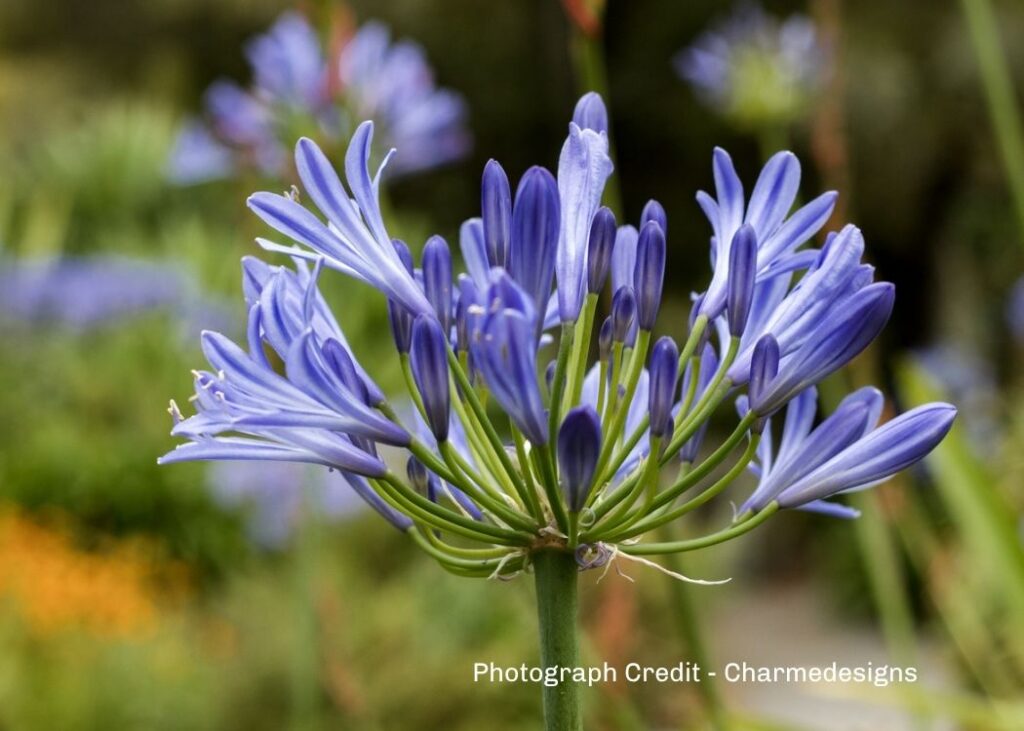
For tender plants like dahlias and evergreen agapanthus, provide a thick layer of mulch to shield them from the cold. This extra insulation can make all the difference in ensuring your plants survive the winter and come back next year.
Plant Berries
November is a good time to plant gooseberries, currants, blackberries and raspberries. Planting them now gives them a chance to begin establishing before the cold weather sets in, providing them with a head start in spring.
Net Winter Cabbages and Kale
To protect winter cabbages and kale from hungry pigeons, be sure to put netting over them. This simple barrier can help to prevent damage to your crops and ensure you have plenty of fresh greens to enjoy.
Don’t Over Tidy
Finally, resist the urge to over tidy your garden. Plant roots and foliage help protect soil from erosion during winter rains. Fallen leaves insulate the soil like a blanket, so leave fallen tree leaves on the earth. Leaves act as a shelter for bugs and beetles during the cold, these piles act as winter larders for blackbirds and robins to rootle through. Tree leaves swept from paths and lawns can be placed on your flower beds where they will naturally decompose and disappear. Worms efficiently drag down and digest the leaves, aerating and enriching your soil naturally.
There is an old gardening saying, that goes something like, ‘If mud sticks to your boots, stay indoors’. This is sage advice as walking on wet soil leads to soil compaction and damage to plant roots. But just because we are stuck indoors doesn’t mean that there aren’t jobs we can be getting on with. Here are my suggestions:
Edit Your Seed Box
When the weather is poor, sort through your seed packets. Discard any out-of-date seeds and any impulse purchases that you will never grow. Consider donating unwanted in-date seeds to a local school or community garden to help others bring beauty to their surroundings.
Visit Capital Gardens
Make a trip to your local garden centre to stock up on fresh seeds, seed trays, seed compost, perlite, and other essential gardening supplies for the coming New Year. It is also a great place to make a start on your Christmas shopping!
Plant Amaryllis Bulbs
For a burst of indoor colour around Christmas, plant amaryllis bulbs now. These plump bulbs take around six weeks from planting to come into flower. I recommend starting them off in a warm dark place, such as an airing cupboard, to initiate them into growth. If you plant your amaryllis bulbs now you will enjoy their vibrant blooms during Christmas and into the New Year. Boxed amaryllis bulbs also make thoughtful Christmas gifts for friends and family.
Mist Your Houseplants
With the central heating cranked-up, be sure to mist your houseplants to help combat leaf-edge browning caused by dry air. Regular misting will help keep your plants looking healthy throughout the winter months. Misting also helps prevent major outbreaks of spider mite infection; a common houseplant problem exacerbated by warmth and dry air.
Inspect Houseplants for Pests
Check your houseplants weekly for the first signs of pests and disease. Scale-insects, mealybugs, spider mites, and aphids often become problematic at this time of the year in our warm homes. Use SB Plant Invigorator, an environmentally friendly pesticide and growth stimulator, as both a treatment and a prophylactic to keep your indoor plants healthy.
In conclusion, with these tips, you can make the most of your garden this November, ensuring it stays neat and healthy throughout the winter months. But also remember to make time to care for your indoor plants, they need some TLC too. Happy gardening!
Further reading:
Planting bulbs in pots:
https://www.capitalgardens.co.uk/blog/planting-spring-flowering-bulbs-in-pots/
Tulip fire blight:
https://www.rhs.org.uk/disease/tulip-fire
How to grow roses:
https://www.gardenersworld.com/how-to/grow-plants/how-to-grow-roses/