Blog
Garden Rescue! Creating A Hedgehog Haven

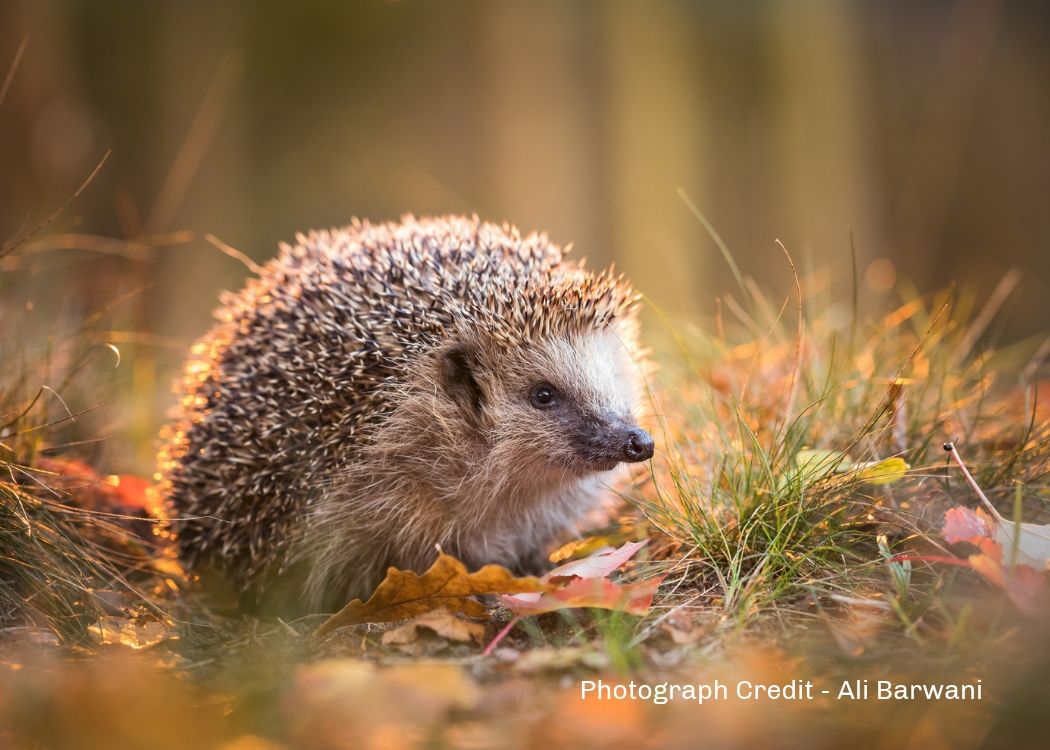
‘Her print gown was tucked up, and she was wearing a large apron over her striped petticoat. Her little black nose went sniffle, sniffle, snuffle, and her eyes went twinkle, twinkle; and underneath her cap – where Lucie had yellow curls – that little person had PRICKLES!’
(From The Tale of Mrs Tiggy-Winkle by Beatrix Potter)
Mrs Tiggy-Winkle was, of course, a hedgehog. These small, rounded, spiky visitors to our gardens have long held a place in our affections and our folklore, their National Treasure status firmly sealed by their forthcoming appearance on new banknotes to be issued in a couple of years’ time.
However, UK populations have plummeted since the 1950s from an estimated 30 million to less than a million today and nearly half have been lost in13 years. That’s a catastrophic decline and hedgehogs are now listed as vulnerable to extinction here. For every 100 hedgehogs in the 1950s there are only three today.
Their decline is due to a number of factors, among them the loss of habitats such as hedgerows, grassland and the edges of woodlands, road and garden accidents, and far fewer natural food sources. Perhaps surprisingly, they’re doing better in urban than in rural areas, in part thanks to the efforts of gardeners.
Lending a helping hand
With bonfire night upon us the critical message is: check your wood piles before lighting. Hedgehogs seek shelter in secluded places including bonfire piles. And during hibernation season – from November to March – it’s even more important to take care. Really it’s better not to build them until the last minute but if it’s too late for this precaution, then please look carefully, dismantling and moving if possible before rebuilding them to be absolutely sure. Lighting from one corner also gives small creatures a better chance of escape, although this doesn’t necessarily apply to hedgehogs, whose response to threat is, as we know, to stay put and curl up into a ball. A tip for future years is to consider placing a chicken wire fence around the pile, which can help to prevent them from climbing in.
To survive and thrive, hedgehogs need food, water and shelter as well as the means to access them and find a suitable mate.
Food
A natural food supply is much the best. Beetles, worms and caterpillars make up most of hedgehogs’ diet, while contrary to popular belief, slugs and snails constitute less
than 5% of their intake. (They also contain less protein and carry parasites which can make hedgehogs ill.) They’re particularly hungry during autumn when they’re on a final push to build up fat reserves to get them through the winter.
A healthy soil full of invertebrates and an insect-friendly garden environment are both important for providing hedgehogs with the support they need. So mulch well, think about reducing digging and ditch the pesticides. They kill more than just their targets and a garden with a smorgasbord of insects will attract visiting birds and other creatures, who will in turn keep the pest population down.
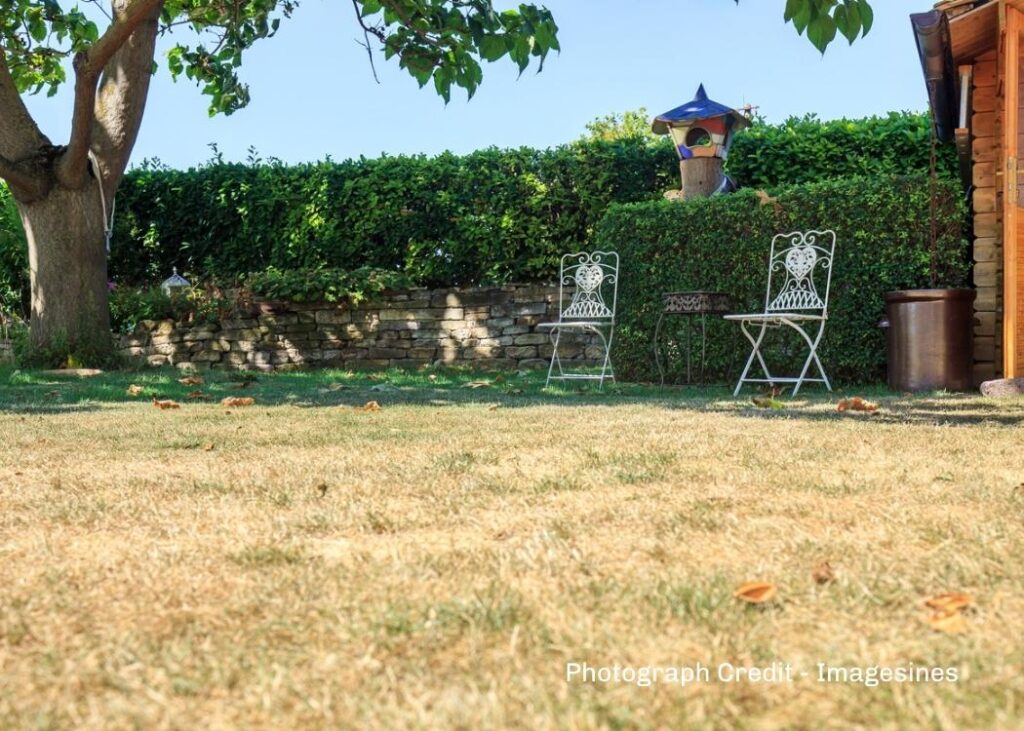
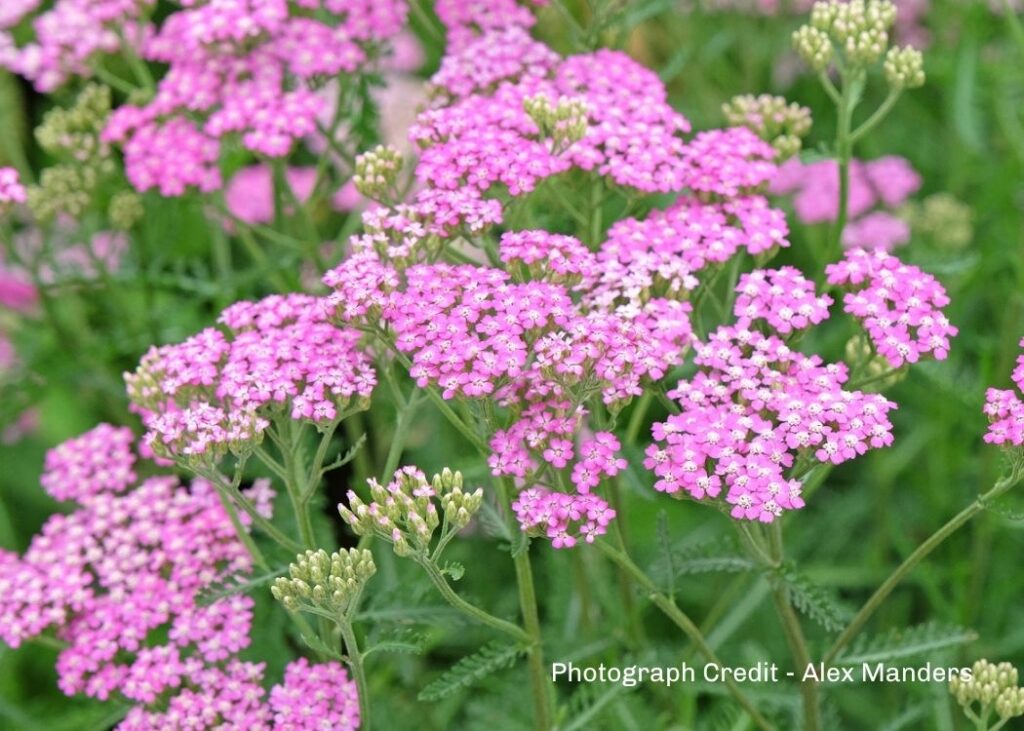
Having butterfly and moth-friendly plants, including food plants for caterpillars (many of which pupate at ground level) is a good approach, as is leaving areas of dense vegetation for invertebrates to shelter in. Short and medium grass plays a role as another niche for tasty insects. Leave some areas of bare earth, perhaps covered with natural leaf fall, for hedgehogs to root around in and hunt for juicy earthworms.
Supplementary feeding may also encourage hedgehogs if they’re in the area and helps in the lead-up to hibernation. Try wet meat-based dog or cat food, or specialist hedgehog food. It’s best to scatter it around the garden, or change the location of bowls to allow them to forage more naturally. If you’re worried about the hedgehogs’ supper being eaten by pets, foxes, or even badgers, make a hedgehog feeding station. This can be as simple as a few bricks or a slightly more complicated construction. But don’t give them milk! Contrary to urban, or perhaps rural myth, it upsets their stomachs. https://www.britishhedgehogs.org.uk/feeding/
Water
If providing drinking water, place it in a shallow dish that they can easily drink from. Other sources of water for hedgehogs include ponds, so it’s important to ensure yours is equipped with a shallow slope or a hedgehog ramp to allow them (and other creatures) to get in and out safely.
Shelter
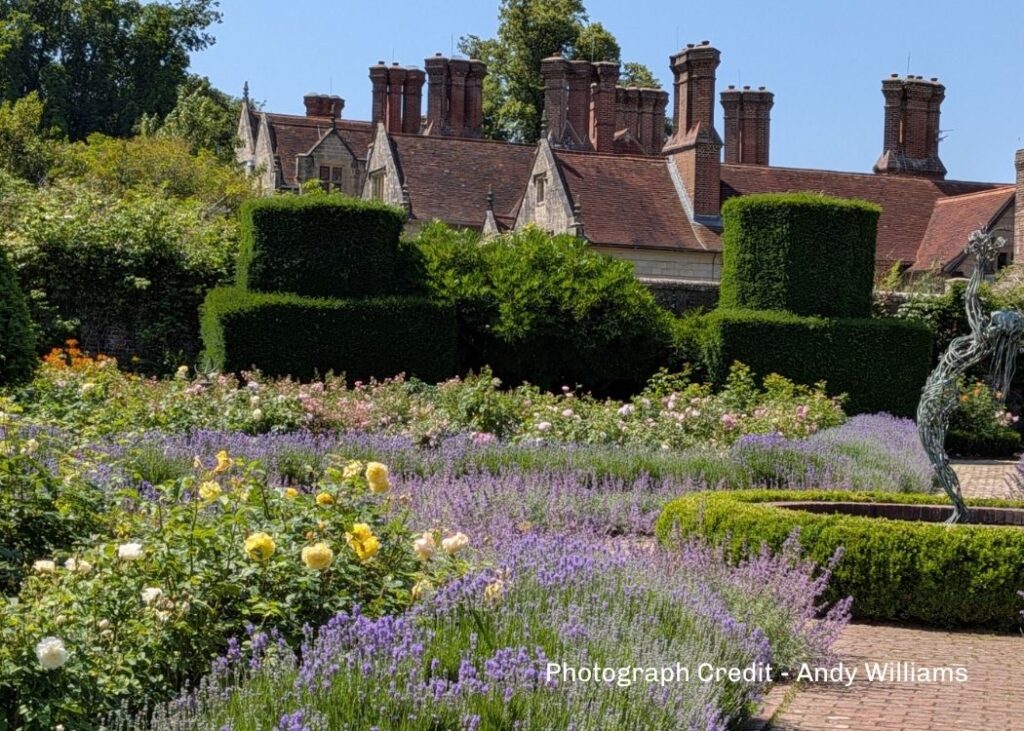
Piles of wood or logs and leaves provide shelter for hedgehogs and their prey, as do wild corners with long grass and tangled greenery. Compost heaps are a ready-made bedroom and larder and popular resting place; perhaps try leaving a pile to see who takes up residence. And hedges are more wildlife-friendly than fences, they provide hiding places for hedgehogs and encourage other creatures, some of which will be hedgehog food!
Hibernation takes place in hibernacula, nests carefully constructed in secluded spots and at the base of hedges. Twigs, leaves and moss are all useful building materials, meaning a slightly messy garden is good news for hedgehogs! Hibernacula occupants may emerge to drink water although they’re less likely to seek out food.
Artificially constructed hedgehog houses are also available, or alternatively, try building your own. https://www.britishhedgehogs.org.uk/hedgehog-homes/
There’s a useful guide to planting for food and shelter here:
https://www.hedgehogstreet.org/planting-for-hedgehogs/
Access
It’s not much use providing food if the local population can’t get to it. These wild national treasures have large home territories of 10-20 hectares. They’re known to cover around 1-2km per night in search of sustenance as well as other hedgehogs in the hope that love will blossom and baby hedgehogs result. This means that joined up corridors are essential if we’re to conserve them. Try getting together with neighbours to create hedgehog corridors by cutting holes in fences. Around 13 x13cm is just about right – big enough for hedgehogs but too small for most pets.
Safety first
Hedgehogs have a liking for hiding in the undergrowth and in long grass, so investigate before mowing or strimming. Be careful when turning compost heaps too.
And a word about slug pellets. Highly toxic metaldehyde has been banned but organic slug pellets are still widely used. The impact on hedgehogs (and other creatures) is still unknown but it’s possible that they may have some ill-effects, so consider other options.
The British Hedgehog Preservation Society has lots of useful information: https://www.britishhedgehogs.org.uk/
This lovely website allows you to see how many hedgehogs have been seen near your garden and to log sightings: https://bighedgehogmap.org/ and Spot a hog is a pilot citizen science project which hopes to gather more information about hedgehogs and other small mammals. Find out how to contribute here: https://hedgehography.com/
It would be a devastating loss if these delightful creatures were to become extinct. Human intervention has caused their decline but it can help to rescue them too. The good news is that in urban areas hedgehog numbers appear to be stable and may even be recovering. It’s an indication of how vital our gardens are as a habitat and what an important role gardeners have in saving them.