Blog
Ornamental grasses

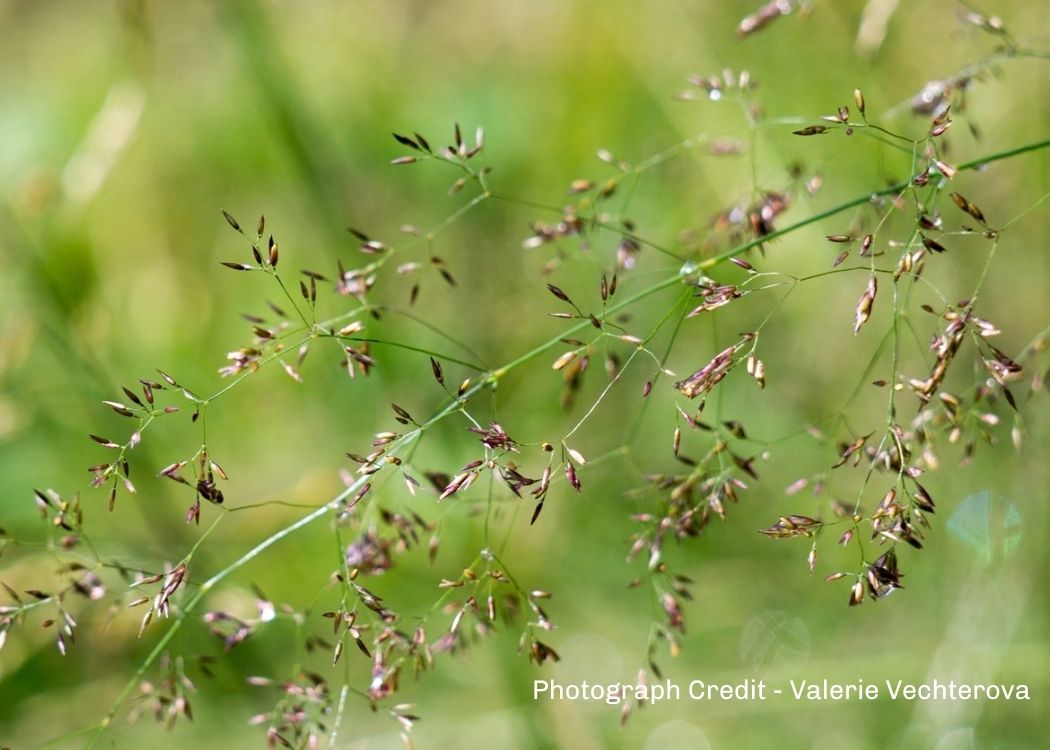
A well-designed and carefully planted garden is a feast for the senses in which to immerse ourselves and soothe the cares and irritations of the outside world. In addition to their visual allure, we often consider our sense of smell when choosing plants, but touch and hearing are sometimes forgotten. However, they play just as big a role in helping us to lose ourselves for a while.
This is where ornamental grasses come into their own. Not just handsome to look at, in flower they’re among the most tactile of plants. Run the tips of your fingers over the ethereal, airy clouds of Agrostis nebulosa or stroke the softly fluffy tails of Pennisetum alopecuroides. Calamagrostis x acutiflora is narrow, smooth and tightly packed while Miscanthus sinensis changes from almost silken to feathery as the flowerheads mature and Nasella tenuissima is fine, soft and hair-like. Meanwhile, in the background, the gentle whispering and rustling of grasses can transport us to another world. Soft sounds in the garden draw our attention away from other, less desirable noises such as traffic or neighbours whose voices are louder than we might wish.
With the exception of early spring, after cutting back and before new shoots have made themselves fully known, ornamental grasses add texture and provide interest in almost every season. Many reach their peak of flowering in late summer and early autumn. Several are evergreen but even if deciduous their structure remains in winter and they look particularly appealing in low, golden light, sparkling with frost. They need very little maintenance and rarely fall victim to disease or invertebrate pests; slugs and snails find them almost wholly unappetising.
Different but equal
Incredibly versatile as a group, grasses vary in height from around 30cm to 2.5m tall. Use smaller evergreen carexes and black Ophiopogon planiscapus ‘Kokuryu’, or lime green Hakonechloa macra as ground cover to help prevent soil erosion and take the place of weeds. Pop them into window boxes, at the front of borders and place them alongside paths to soften edges. Tall and upright Miscanthus sinensis and Calamgrostis x acutiflora ‘Karl Foerster’, both at around 1.8m high, work well as screening and windbreaks, while gorgeous, fountain-shaped pennisetums are a feature in themselves.
Many are happy with poor, dry soil in sunny places and are drought-tolerant after their first year but others suit damper, shadier conditions. Pond marginal Juncus effusus ‘Spiralis’ with its intriguing wiggly stems is almost sculptural. In damp shade try Milium effusum, evergreen Luzula sylvatica (both will put up with some bogginess too), or its white-flowered cousin Luzula nivea.
This versatility means they suit many garden styles. Weave them between showier flowering plants in cottage gardens, add elements of softness to formal borders or use them in pared-back, contemporary, architectural plantings. Larger grasses wave and ripple in breezes, adding movement and vitality; group them in billowing drifts to create a Piet Oudolf-style prairie planting. They also grow well in large containers.
Many look fabulous as part of flower arrangements too, either fresh or dried. Place a few sprays of Panicum capillare ‘Sparkling Fountain’ in a vase on their own or with white cosmos and purple Verbena bonariensis for an instant hit.
https://www.rhs.org.uk/plants/types/grasses/ornamental/selection
The grass family is large and includes the small, fine plants that make up our lawns and edibles like wheat and rice as well as sweet corn and sugar cane. Some ornamental ‘grasses’ used in the garden aren’t true grasses but sedges and rushes. True grasses, in general, prefer sunnier, drier conditions, while sedges and rushes like damp soil, and ‘Sedges have edges, rushes are round, grasses have nodes all the way to the ground.’
The grass is not always greener
Low-growing, sun-loving Festuca glauca is a steely blue while the foliage of tall Pennisetum advena ‘Rubrum’ emerges green, maturing to rich burgundy and deep plum. Its flowerheads are silver and purplish red. Others, like Milium effusum ‘Aureum’ have leaves of gold or lime, while Imperata cylindrica ‘Rubrum’ is crimson and bright green. Carex comans ‘Bronze Form’ has the glorious nutty tones you would expect. Deciduous grasses generally become buff or straw-coloured in winter and some, like Anemanthele lessoniana, take on fiery autumnal hues. Flower and seedheads too, can vary in colour from sand to gold, pale lilac and pink.
Wildlife appeal
Grasses evolved to be pollinated by wind, so while they have pollen, they have no need to waste energy producing enticing, colourful flowers and nectar and are of no interest to bees or other pollinating insects. Don’t let this put you off though. Some ornamental varieties are valuable sources of food for caterpillars. Evergreen Deschampsia cespitosa provides fodder for grayling, ringlet and Scotch argus larvae, and the latter are also partial to Molinia cerulea with its delicate, lavender-coloured flowerheads.
Stems and leaves provide shelter for small creatures like frogs, hedgehogs and voles as well as overwintering insects, so leave them in place until spring. They also make good nesting material for birds and sparrows, finches and bunting all enjoy the seeds of grasses such as Panicum virgatum and Calamagrostis brachytricha.
https://www.caterpillarfoodplants.com/native-grasses.html https://www.specialistgrower.co.uk/product-page/15-grasses-for-wildlife-birds-insects-small-mammals
Maintenance
Given the right aspect and soil conditions, most grasses shouldn’t need feeding or watering after the first year if planted in the ground. In containers, water over summer as needed and feed to keep foliage lush.
Although deciduous grasses begin to die back as autumn progresses, you may want to leave the stems in place for winter interest and for wildlife. New growth comes from the base, so in spring, before the green shoots begin to grow properly, cut back the old growth to around 6-8cm from the ground. Leave some where they fall if hoping to provide nesting material for birds.
Treat evergreens slightly differently, combing them through with your fingers (some have sharp edges so wear gloves if necessary) to take out dead foliage and using secateurs to trim off damaged leaves and old seedheads.
https://www.gardenersworld.com/how-to/grow-plants/how-to-grow-ornamental-grasses/
Beautiful but tough, versatile and feeding the senses, there’s a grass to suit just about every outdoor space. Plant them in groups of three, five or seven to give them a chance to really strut their stuff, dot them among the colourful blooms of annuals and herbaceous perennials or go retro and plant a single pampas grass (Cortaderia selloana) for a taste of the ‘70’s. Often under-rated, ornamental grasses are consummate performers and deserve a place in every garden.