Blog
Achillea: from battlefield to garden via a hearty brew


One afternoon last week I spent a contented few minutes watching a small, iridescent green insect blissfully nosing its way around a flowerhead of Achillea filipendulina ‘Cloth of Gold’. This shimmering creature was the unflatteringly-named thick legged flower beetle, official title the rather more elegant Oedemera nobilis. Pausing for a moment, it revealed a head and long slim antennae coated yellow by pollen, matching the sunny gold of the flowers.
Achilleas’ colourful flowerheads, held aloft on long, wiry stems, are composed of many tiny, open florets on short stalks. These multiple diminutive blooms are perfect for insects. Each flowerhead produces generous quantities of pollen and nectar and their structure means that foragers only need to pop next door for the next course, thus saving both time and energy. They’re a favourite not just with bees and butterflies but friendly and curious hoverflies and tiny, non-stinging wasps as well as trundling beetles. The flowerheads offer a nice level helipad too, with plenty of room for several insects to feed at the same time without getting in each other’s way.
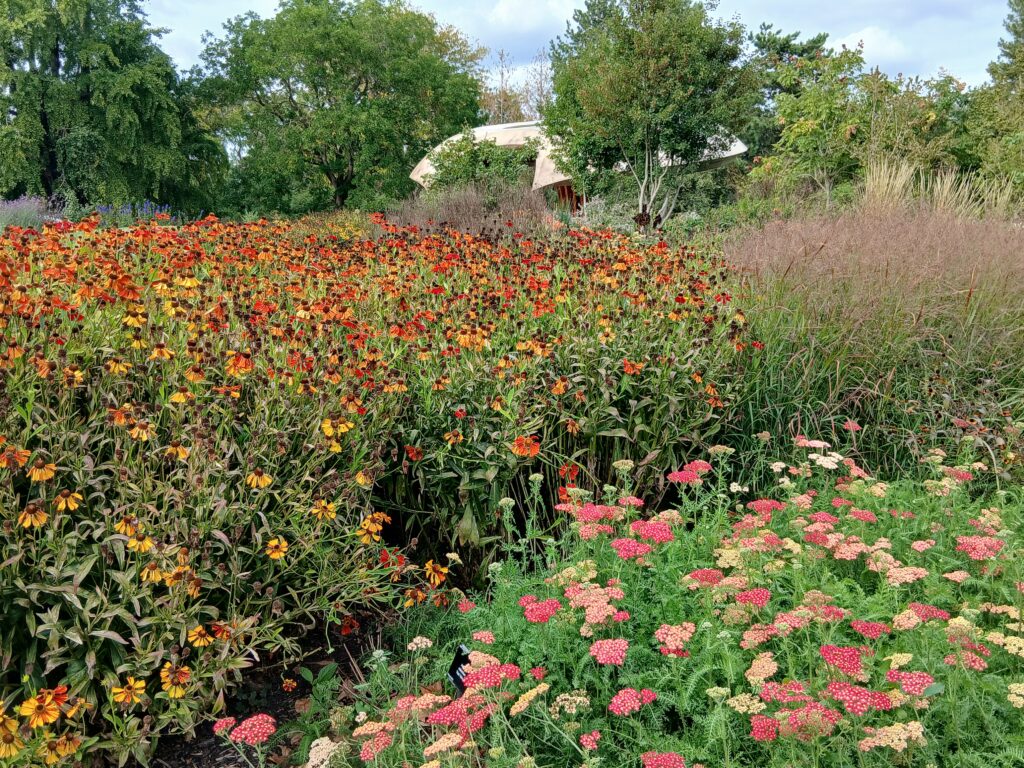
Achillea can bloom from early summer right through to early autumn, decorating gardens in an exciting palette of colours from white, yellow and burnt orange to red, pale pink, cerise and lilac. They’re hardy herbaceous perennials. So hardy, in fact, that they fall into the RHS’ ‘H7’ category for plants that are able to withstand temperatures of -20 degrees C and below. So they can be safely left without protection in winter even in exposed gardens and northerly locations, again saving time and energy. They are, however, unappreciative of waterlogging, particularly in winter, so plant in free-draining soil or be sure to add grit to the planting hole. Preferring open, sunny situations, they will put up with some shade but may become leggy and will flower less readily in this situation. They’re also drought-tolerant once established.
It’s said that the wild form of the plant was used by legendary Greek warrior Achilles to treat the wounds of his troops, so giving rise to its name. Long used in indigenous medicine, achillea is said to have a variety of uses as an anti-inflammatory, a digestive, and to soothe headaches, fevers and colds. It’s also known as yarrow. But it goes by many other names, among them, soldiers’ woundwort, laceplant, old man’s pepper, and nosebleed. Because despite its power to staunch bleeding and heal wounds, there will apparently be undesirable results if one is unwise enough to insert it into one’s nostril. You have been warned.
Another of the wild plant’s uses was in love divination, rituals which enabled young women to see or dream of their future husbands. One of these entailed picking yarrow from a young man’s grave at midnight, then placing a stem down the stocking on each leg before getting into bed backwards, all the while reciting incantations. One can only hope that the outcome of this convoluted set of procedures was worth it.
Before the use of hops became the norm in the 16th century, yarrow leaves were used to add the bitter flavour to beer during the brewing process. They were also used to make tea and sometimes added to soft drinks. The leaves can be eaten raw as well, added to salads as a garnish. It’s probably best to use them sparingly due to their bitterness; the flavour is quite strong with overtones of sage.
You’ll find a yarrow ale recipe here
As always, be careful if foraging for yarrow; it bears a resemblance to other, poisonous plants.
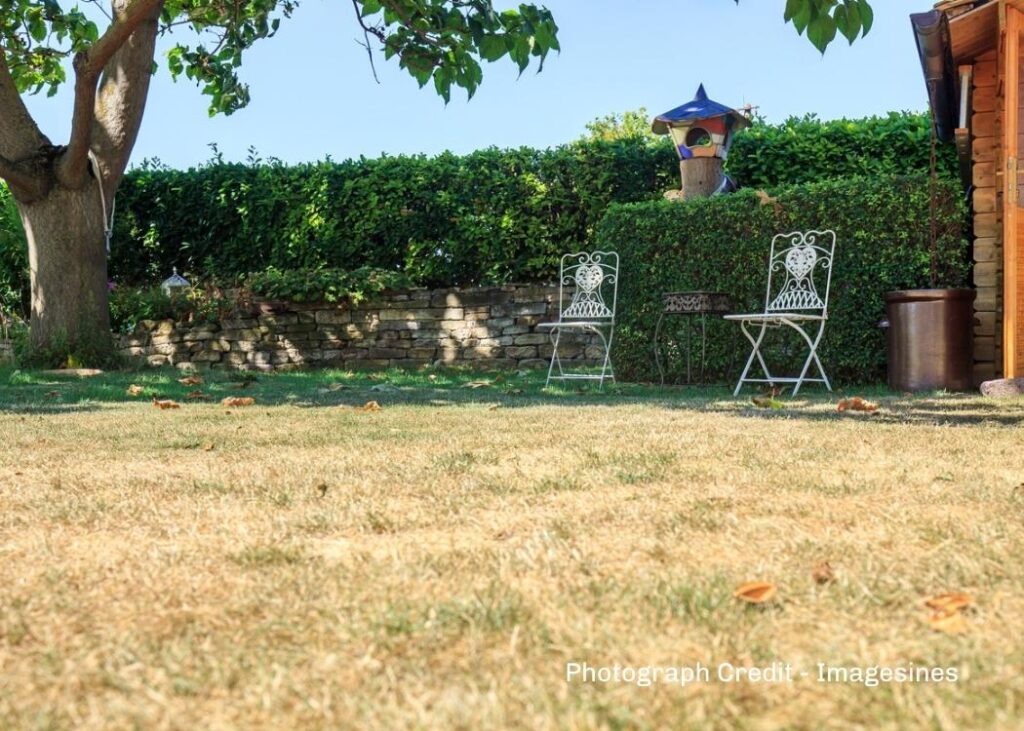
Achillea millefolium is the species or wild form, native to Europe, parts of Asia and North America, from which many garden cultivars have been bred. Its flowers are generally white, with pink variations appearing from time to time. Found in a range of habitats including fields, road verges and lawns, like buddleia it’s a cheerful coloniser of wasteland, to which it brings colour and insect life. It’s a good plant for a mixed lawn along with other low growing wildflowers like daisies, speedwell and tiny pink dove’s foot cranesbill. The RHS reports that in this situation it can support over 100 species of insect. Gardeners watching their lawns beginning to look slightly the worse for wear at present might be interested to know that wildflowers tend to be more drought tolerant than grass, so mixed lawns are likely to stay greener for longer during heatwaves. Millefolium means ‘thousand leaved’, referring to the soft, ferny, ladder-like foliage which adds to achillea’s appeal in gardens. A. millefolium cultivars are usually around 50-80 cm tall.
Garden plants have also been bred from Achillea filipendulina. Originating in the Middle East and Asia, it’s much taller than A. millefolium and bright yellow. A. filipendulina cultivars are usually around 1.2m tall with statuesque ‘Cloth of Gold’ topping out at 1.5m or so.
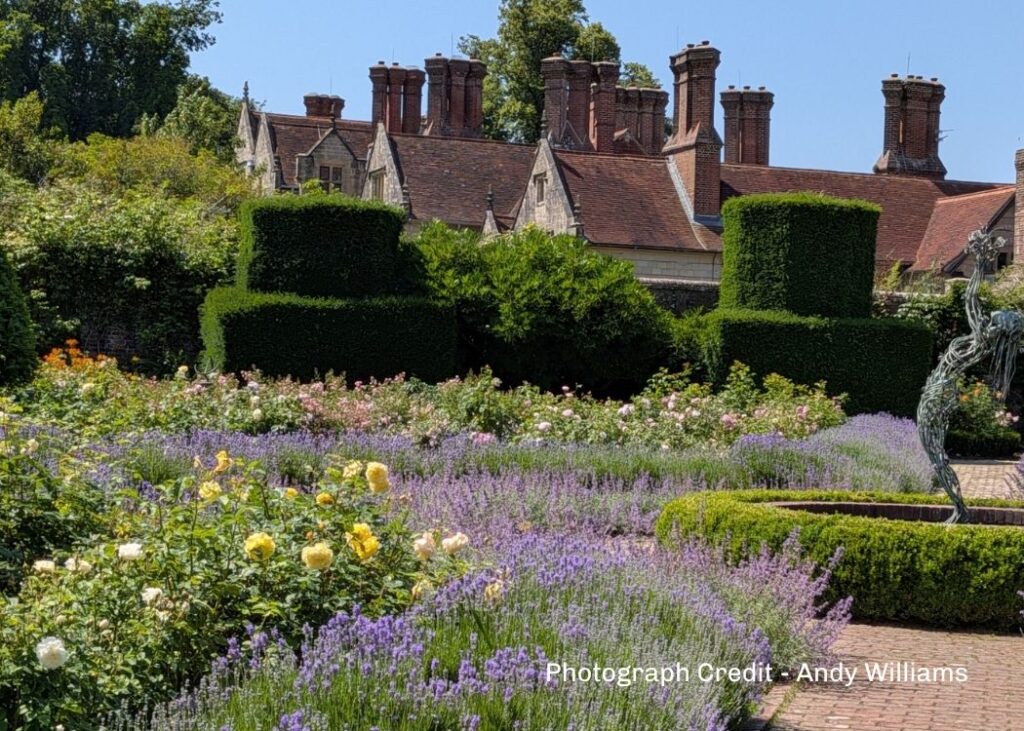
Wafting in cool breezes on their long stems and with the almost lace-like appearance created by the composition of their flowerheads, achilleas work well in cottage gardens but are structural enough to merit space in more formal herbaceous borders too. They’re often an integral part of prairie plantings, mixed with sanguisorbas, rudbeckias and grasses. They also play an important role in wildlife and pollinator gardens, not only because of their popularity with pollinators but also for their seeds, which are sought out in autumn by birds.
Achilleas require very little attention once they settle in. Holding their structure well once the flowers themselves have died off, they make good dried flowers as well as providing winter interest in the garden. Here they provide welcome nooks and crannies for ladybirds and lacewings to hole up until the weather becomes more clement, another reason to leave deadheading until spring.
Use the tutti frutti tones of achillea to add refreshing summer colours to sunny beds and borders, leave wild yarrow in lawns to help keep them green, or perhaps use it to find your true love. It seems the thick legged flower beetle (only males exhibit the characteristic bulging thighs that have given rise to its common name) has already found his.
https://www.gardenersworld.com/how-to/grow-plants/achillea-grow-guide/
https://www.plant-lore.com/plantofthemonth/yarrow-used-in-love-divination/