Blog
Crazy For Daisies


Iconic spring and summer blooms, with slim, white ray-like petals and sunny yellow centres, it’s partly the simplicity of daisies that’s so refreshing. Take us as you find us, they appear to say. We are what we are. And they seem happy with that, secure in the knowledge that they don’t have to try too hard to be loved.
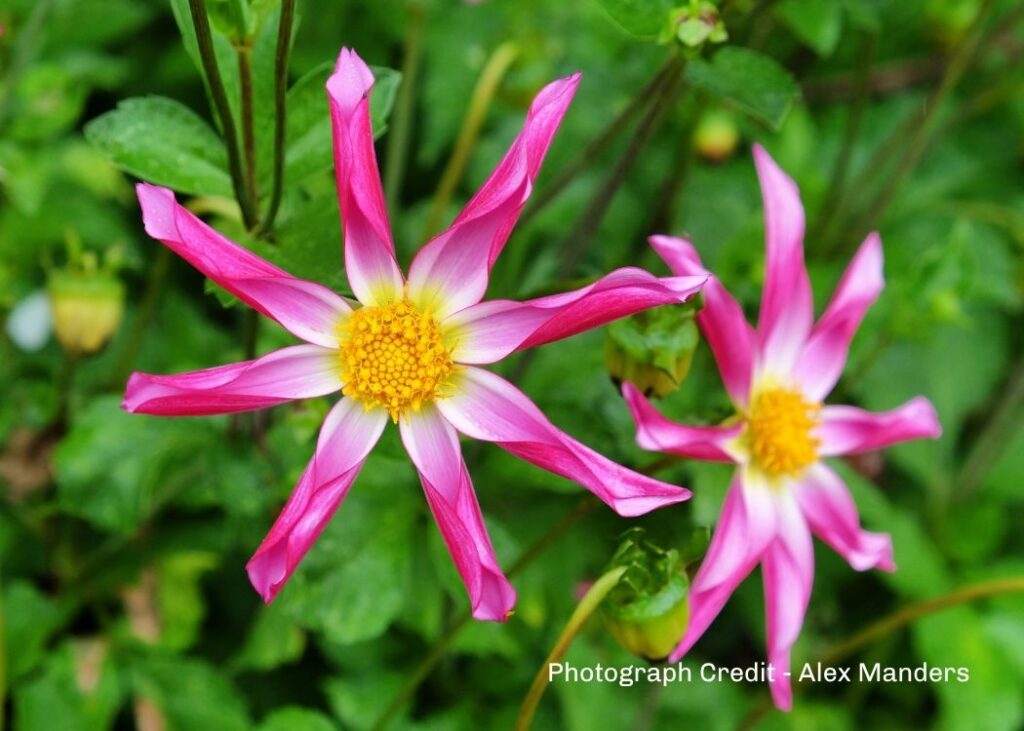
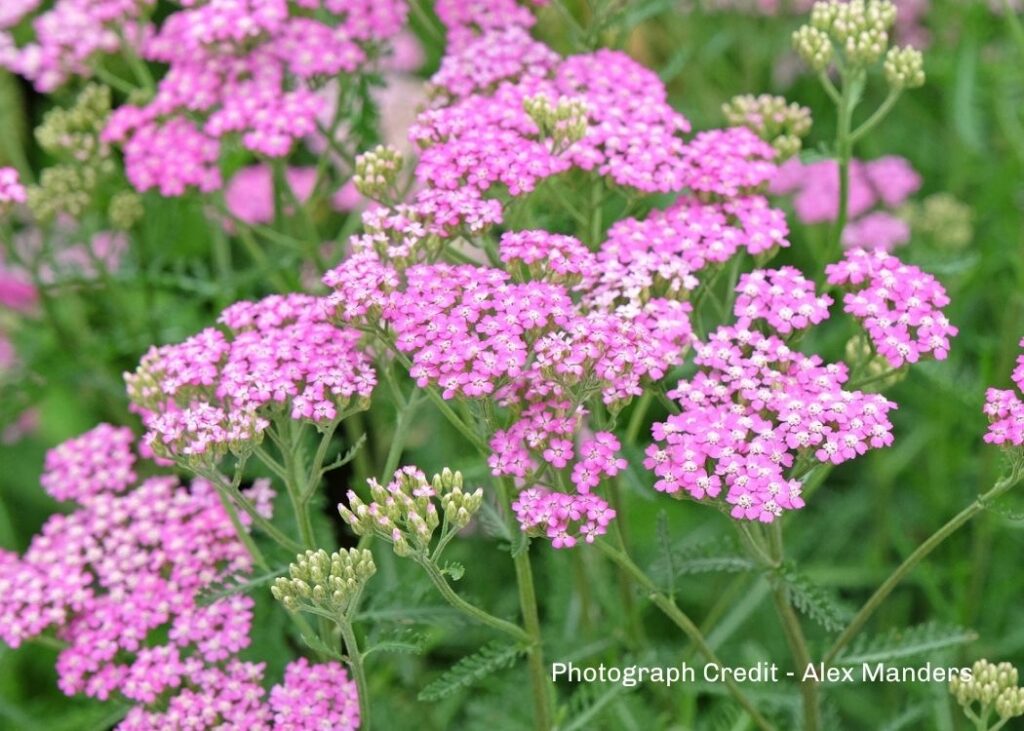
The daisy family is huge, with over 32,000 member species. It includes some you might expect – cosmos, echinaceas, asters and sunflowers all have a vaguely daisy-like appearance, but others you might not expect, and may, indeed, be surprised by. Dahlias, achilleas and solidago all fall into this group, but so do lettuce, tarragon and endive. This begs the question as to how plants are actually classified. How can lettuce be a daisy?
It’s a question of genetics. And the construction of family members’ flowers is similar, even if this isn’t immediately obvious. The simple-seeming structure of a daisy is deceptive. Each ‘flower’ is in fact many tiny florets clustered together. The whole is known as a composite flower and the old family name, since changed to Asteraceae, was Compositae.
Wildlife value
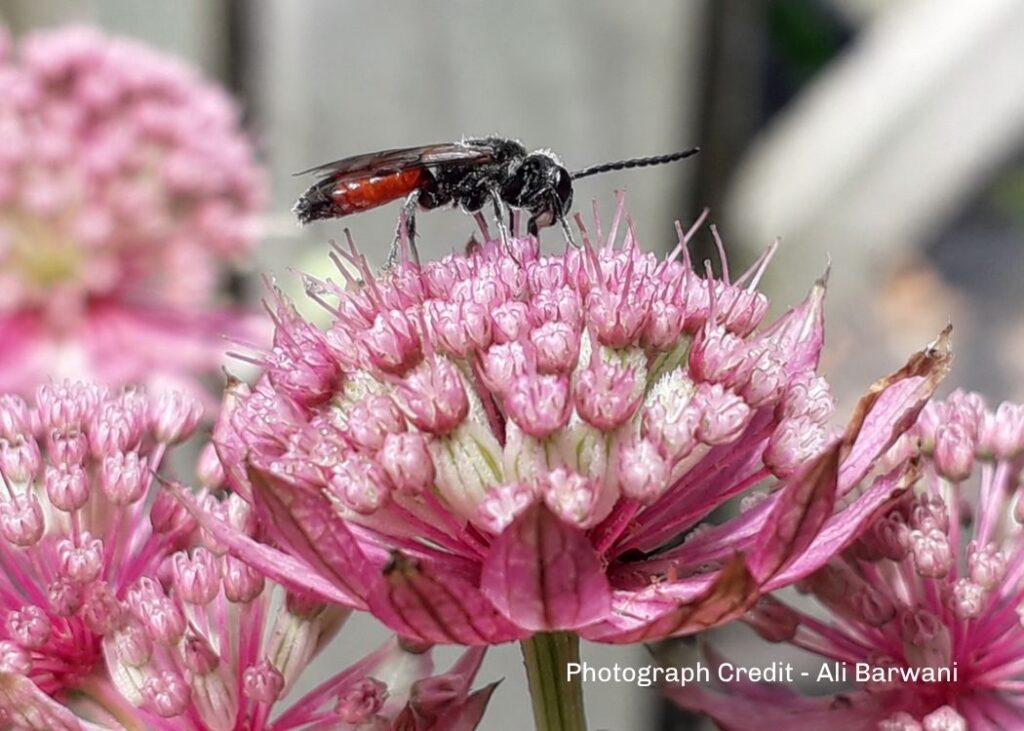
Most daisies are a rich source of food for pollinators. The open flowerheads make nectar and pollen easily accessible for short-tonged insects and their flat centres also provide the perfect landing pad. Each floret makes its own supply of nectar and pollen. Not only is that a great deal of food, it also means that pollinators can forage easily with minimal effort and energy expended moving between blooms. They’re popular with all sorts of insects – bees, ants, lacewings, hoverflies, beetles and butterflies. The larvae of some of these insects, such as lacewings and hoverflies, are voracious predators of aphids and will make short work of infestations on roses, beans and other plants. And insects, in their turn, attract birds.
As this is such a large group we’ll focus on some of the most daisy-like plants, with flowers that look the part.
Lawn daisies
A smooth, green lawn dotted with daisies evokes memories of childhood summers (when, of course, the sun always shone), making daisy chains and, later on, plucking the petals of a picked flower one by one, reciting ‘He loves me, he loves me not.’ Often he didn’t but somehow it never seemed to matter very much. The flowers of Bellis perennis are heliotropic, turning to follow the sun during the day. They also close in the evening, hence their common name, which is thought to be derived from ‘day’s eye’. Happy in sun or part-shade, they flower from spring to late summer and naturalise using creeping rhizomes. Although they were previously thought of as the enemy by some lawn lovers, our thinking, thankfully, is changing and these delightful plants are often now seen as a valuable addition to the traditional green sward.
To incorporate into new areas of lawn, mix seed sparingly with grass seed and sow, following the instructions on the packet. (You can also buy lawn mixes which include wildflowers as daisies and clover.) Introduction to established lawns is most easily achieved using plug plants. These can either be grown from seed or purchased ready for planting in spring. Dig a hole the size of the plug plant, firm in gently using the tips of your fingers and water well. Keep watering until established.
Bedding daisies
Also named Bellis perennis but looking rather different, bedding daisies are larger, fuller and more colourful cultivars of their lawn-living cousins, their petals forming a thick ruff in shades of pink from pale rose to raspberry. Although not particularly valuable to pollinators, these cheerful mini-pompoms are perfect for sunny pots and window boxes as well as being useful gap-fillers in beds and borders. They bloom from spring to early summer in sun or part shade. Some will self-seed but existing plants can also be increased by dividing in early spring or autumn.
Mexican daisy
Pretty, plucky Erigeron karvinskianus is semi-evergreen and native to Central America. Also seen growing along beaches in Australia, its ability to tolerate exposed conditions with little water means it has a multiplicity of uses – in rockeries and gravel and seaside gardens as well as window boxes, beds and borders. Renowned for its ability to self-seed in and cascade down walls as well as popping up in gaps between paving stones, it’s best in full sun but does also well in light shade with around 4 hours sun per day in summer. The flowers open deep pink and fade to white, blooming from late spring to autumn.
Ox-eye daisy
Tall and leggy, and stunning as they spread in huge swathes, the natural homes of white Leucanthemum vulgare are grasslands, traditional meadows and roadside verges. Thanks to the efforts of the Highways Agency, they’re frequently seen now covering the banks of motorways, making those tedious journeys far more enjoyable. Sown in these areas to increase biodiversity, they also help to stabilise the soil. Studies have shown that ox-eye daises produce large amounts of nectar, more than many other wild meadow flowers.
This lover of poor soils is excellent for gravel gardens, banks and meadow areas and prefers full sun. It will flower in part-shade although this has the effect of causing the stems to wiggle rather than grow straight upwards. At up to 90cm tall, it blooms from late spring to late summer and is an efficient self-seeder. It’s also the food plant for caterpillars of the chalk hill daisy moth, Dicrorampha consortana. Even if you don’t appreciate this tiny brown creature, moths such as these provide vital food for swifts, swallows and house martins. Populations of all of these delightful summer visitors have dropped by an alarming 40-50% over the last decade, so they need our help. Other birds with different dietary preferences are fans of the autumn seeds.
Shasta daisy
The showier cousins of ox eye daisies, Leucanthemum x superbum are best in full sun and are said to last well as a cut flower. Not known as self-seeders, they’re a better choice for slightly more formal gardens. There are several cultivars, flowering between early and late summer. Their variety in height means that some are a fit for the back and middle of borders while others work well in pots. Flowers can be simple or double, some having frilled petals. ‘Banana Cream’, at 45 x 30cm, has pale yellow petals which fade to white as they mature. Pleasantly shaggy with long, thin petals is tall ‘Old Court Variety’ at 90 x75cm. ‘Esther Read’ has unusual convex double flowers and grows to around 60 x 60cm, while ‘Madonna’ is compact at around 20 x 30cm. Taller varieties may need staking.
Aromatic and medicinal daisies
The aromatic foliage of some daisy-like flowers adds to their charms. Feverfew (Tanacetum parthenium) is a cottage garden plant, traditionally used for a remarkable variety of malaises, including kidney disorders and stomach upsets but most often to reduce inflammation and fevers and relieve headaches. Easily grown from seed and reaching around 40-50cm in height, its diminutive but pretty flowers appear above bright green lobed leaves from late spring to mid-summer. As with all herbal medicines, caution is advised as adverse reactions are not unknown. It’s best to seek professional advice before using.
For a calming cup of evening tea pick a few flowers of chamomile (Chamaemelum nobile) and infuse in just-boiled water. Chamazulene is the essential oil that will work its soothing magic. It has been found to have antiseptic and anti-inflammatory properties and was also used by Egyptians as part of the embalming process. This low-growing, mat-forming plant has feathery leaves and is drought-tolerant once established. Grow it as ground cover in borders and herb gardens or use the non-flowering cultivar C. nobile ‘Treneague’ in lawns. Walk across it in bare feet and breath in as it releases its apple-like scent.
A sun-lover ideal for Mediterranean and gravel gardens, spreading sub-shrub Anthemis cupaniana has a woody base and finely-cut, silvery aromatic foliage which forms low, loose mounds. Abundant flowers appear on longish stems from late spring to summer. It’s hardy to between -5 and -10 degrees C but cuttings taken in late summer will be insurance against damage in colder areas. Alternatively cover with horticultural fleece. 40 x 80cm.
All are perennial.
We may not have all the plants listed in our stores but staff will be happy to suggest alternatives.
If you can, go on a trip to Kew Gardens this summer. As well as its many other delights, there’s one you may not be aware of unless you’re a regular visitor. Wander over towards the river and somewhere near the Pinetum you should find an area of lawn, smothered in daisies. Take a few minutes to sit on the grass and contemplate, admire its beauty and muse on how you might include these marvellous plants or a few of their relatives in your own garden.