Blog
Some Like it Hot

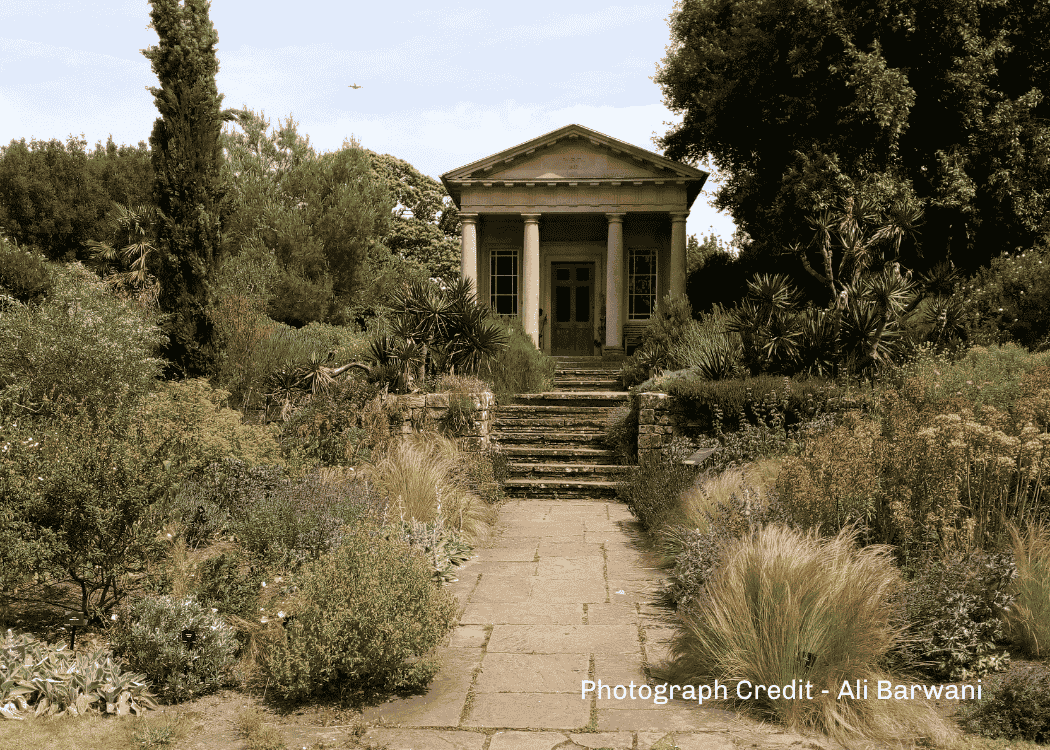
Some Like it Hot
As I write I can see the first gentle drops of rain falling outside; a welcome sight. However, this mizzle is not even sufficient to lay the dust on the dirt-laden pavements. It feels like we have spent the whole of June in the warming oven of an Aga. Flowers and leaves have wilted and crisped in the grip of the intense heatwave and no wonder with the mercury soaring to 34.7°C in central London on Tuesday. The Met Office said it was “virtually certain” that the scorching temperatures were caused by global warming. So, as we move into uncharted climate conditions it is time to think about growing more Mediterranean plants in our gardens.
The Mediterranean with its pure light, rocky terrain, and crystal-clear waters has some of the world’s richest and most beautiful landscapes. Mediterranean plants are tough, but their native habitats are fragile. Climate change, changing land use, overgrazing, pollution, spreading urbanisation, and the ever-increasing demand for natural resources are all having a negative impact in the region. Yet in spite of this it is still possible to find an astonishing array of wild plants growing there. It may surprise you to learn that Mediterranean plants don’t just include those found around the Mediterranean basin. There are other areas with Mediterranean-type ecosystems (MTEs). These are found in just five regions of the world: California, Central Chile, the Mediterranean Basin, the Cape Region of South Africa, and Southwestern and South Australia. These far-flung regions all share the same characteristic climate regimes of mild wet winters and hot dry summers (usually with drought). Mediterranean plants have adapted to live in these demanding environments; they are tough and used to growing in thin soils and enduring drought conditions. Some have even evolved to survive wildfires. MTEs include a mixture of woodlands, shrublands, and grasslands. The five mediterranean regions are home to remarkably high levels of plant diversity and endemism and are all designated as ‘biodiversity hotspots’. Together, they account for around 2% of the world’s land area, but collectively they comprise around 20% of all the vascular plant species in the world. I find this figure quite astonishing.
Those of us gardening in the UK need to apply a degree of interpretation of what constitutes a Mediterranean garden to our creations. It is all about creating a sense of place. There is no point in dreaming about a stepped path flanked by two rows of Italian cypresses rising like giant fingers pointing to blue sky if you have a tiny garden.
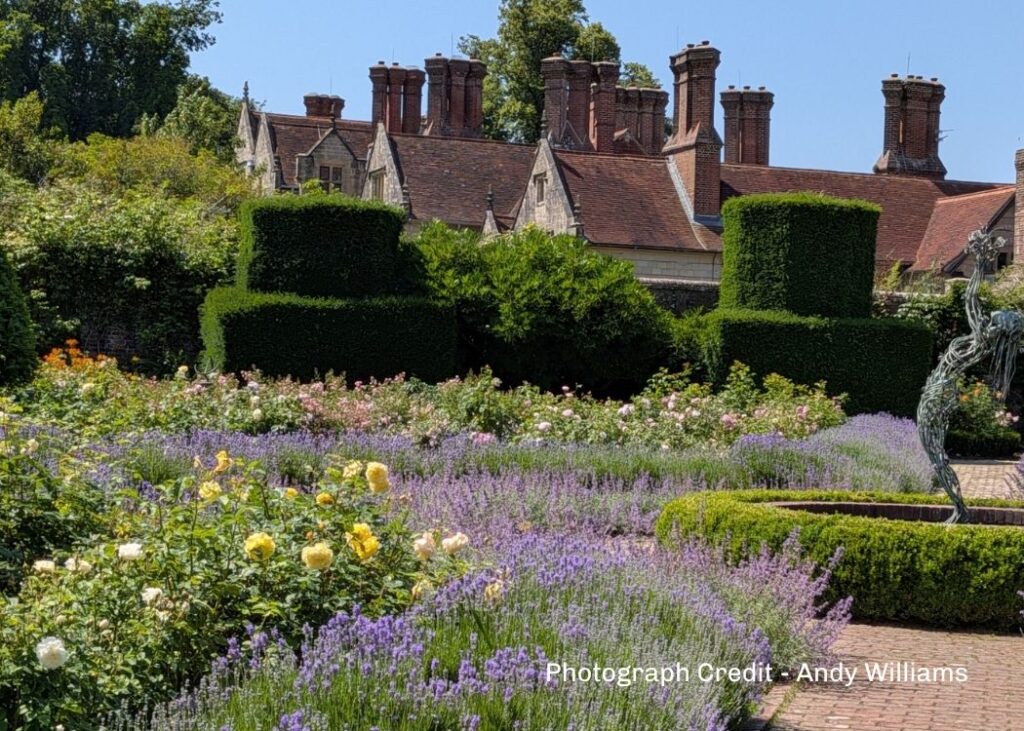
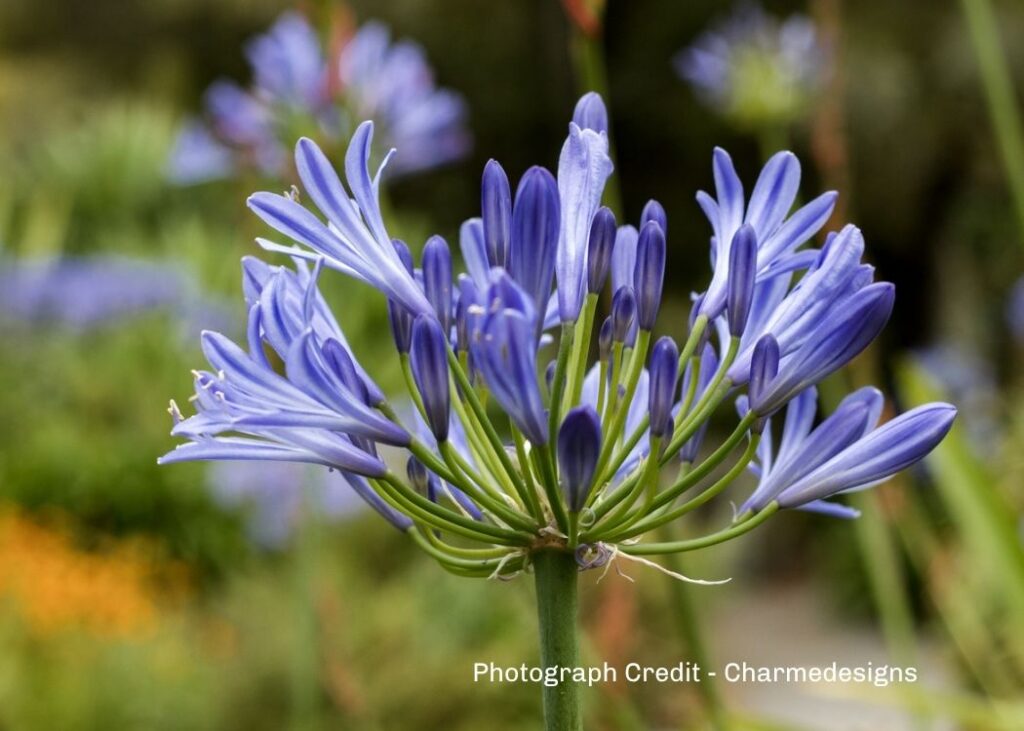
However, it is possible to adapt elements from larger Mediterranean gardens and apply them to your London garden. For example, the neatly clipped topiary parterres infilled with scented shrubs and Agapanthus that I saw in the gardens of the Alhambra and Generalife could easily be adapted to fit a suburban front garden. Travelling in Mediterranean countries makes you aware of how precious water is. There is no water to spare, yet plants and gardens can be found everywhere. Domestic gardens are typically small, with their plants sheltered behind low walls. Water-hungry lawns don’t feature in these gardens, replaced by gravel or stone pathways. Indeed, some Mediterranean shrubs even secrete poison from their stems and roots which prevent grasses and other plants from growing under them and taking any water or food supplies that might be available. Bougainvillea, that colourful climber evoking memories of sunny Mediterranean holidays, is like many of the showier plants, of tropical origins. It is not reliably hardy in the UK.
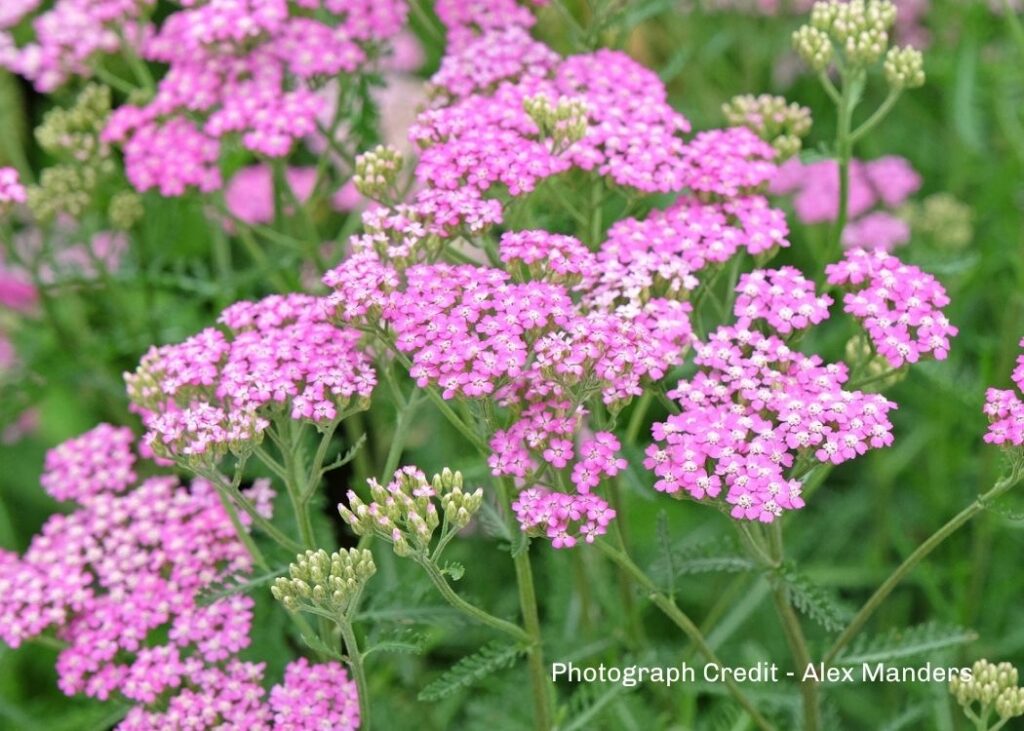
‘Enough of antipasto,’ you say. When designing your Mediterranean-style garden, consider the layout and structure of the space. Incorporate elements like raised beds, stone walls, and pergolas to create distinct areas for dining and sitting. Creating shade by planting trees or building structures is an important feature of Mediterranean garden design. It is pleasant to sit under a shady arbour gazing out at a sunlit garden at noon while the heat is at its most intense. Combining natural textures, colours, and heights adds visual interest and creates a sense of depth in a garden. The diverse nature of the world’s MTEs means that the adventurous gardener can explore and make discoveries from among the floras of a range of countries and micro-climates. Start by choosing easily available plants that are adapted to a warm and dry climate. Look for drought-tolerant perennials and shrubs such as bay (Laurus nobilis), cotton lavender (Santolina chamaecyparissus), curry plant (Helichrysum italicum), lamb’s ear (Stachys byzantina), lavender, mediterranean spurge (Euphorbia characias), myrtle, rock rose (Cistus spp.), rosemary, sea holly, Phlomis, Salvia, Verbena, Verbascum, and yarrow which all thrive in sunny, well-draining soil. Incorporate fragrant herbs like basil, thyme, and oregano to add to the sensory element to your garden and to attract pollinators. Brushing past aromatic shrubs and herbs, releasing the warm and pungent odour of their protective volatile oils is one of the secret pleasures of having a Mediterranean garden. Succulents and spikes will add architectural shapes and interesting colours to your garden. Yucca, Hesperaloe and Astelia have dramatic sword like leaves, and sedums, aeoniums and echeverias are easy-to-grow succulents. Ornamental grasses are useful for adding movement and texture, and blurring boundaries. Olive and fig trees are much hardier than you might think, and will thrive London, providing they are planted in freely draining soil in a sunny position. Creating a Mediterranean-style garden is a step towards becoming water-wise, making your garden easier to care for during hot, dry summers. Regular maintenance is key to keeping your garden looking its best. Water plants deeply but infrequently to encourage deep root growth and drought tolerance. Prune shrubs and trees as needed to maintain their shape. And finally, stay on top of weeding and mulching to suppress weed growth and conserve soil moisture.
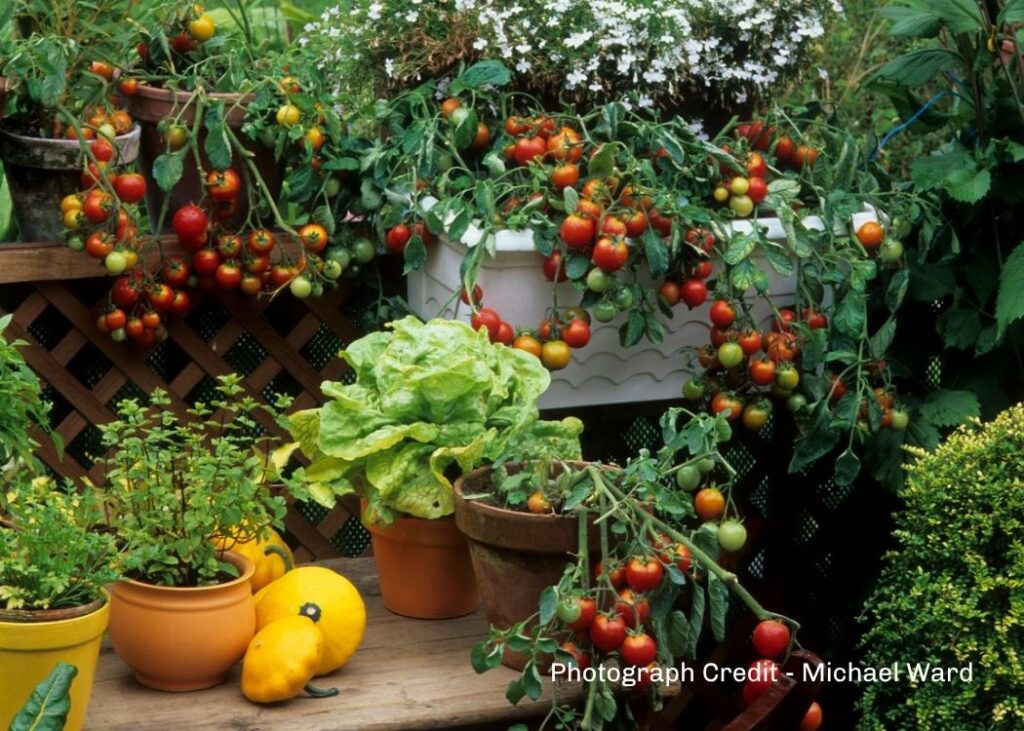
Whether you have a large garden, small courtyard, or just a balcony you can bring a touch of the Mediterranean to your outdoor space. Choose plants that thrive without much water and give you the look of traditional Mediterranean gardens. Experiment with different planting combinations, hardscaping, and accessories to create a harmonious garden that reflects your personal style and taste. Try incorporating decorative elements like rustic terracotta pots, large rocks, and wrought iron furniture to evoke the charm of a Mediterranean villa without straying into kitsch. Listen to me, if you find yourself buying a concrete planter in the form of a donkey pulling a cart at a local car boot sale then you have probably journeyed too far down this route – Well, nobody’s perfect!
Further reading:
RHS Hampton Court Flower Show – 1st to 6th of July 2025. https://www.rhs.org.uk/shows-events/rhs-hampton-court-palace-garden-festival
London College of Garden Design. https://www.lcgd.org.uk/new-border-designs-for-rhs-hampton-court-palace-garden-festival-unveiled-by-the-london-college-of-garden-design/
Mediterranean Garden, Kew Gardens. https://www.kew.org/kew-gardens/whats-in-the-gardens/mediterranean-garden-and-king-williams-temple
Beth Chatto’s famous Gravel Garden. https://www.bethchatto.co.uk/garden-nursery/gallery
Garden Jobs for July. https://www.capitalgardens.co.uk/blog/july-in-the-garden-2/