Blog
Garden jobs for July

July is a month of abundance and bounty, one of the most beautiful times of year in the garden, a time for gentle pottering, weeding and sowing and the exciting task of harvesting produce.
Harvesting:
Vegetables
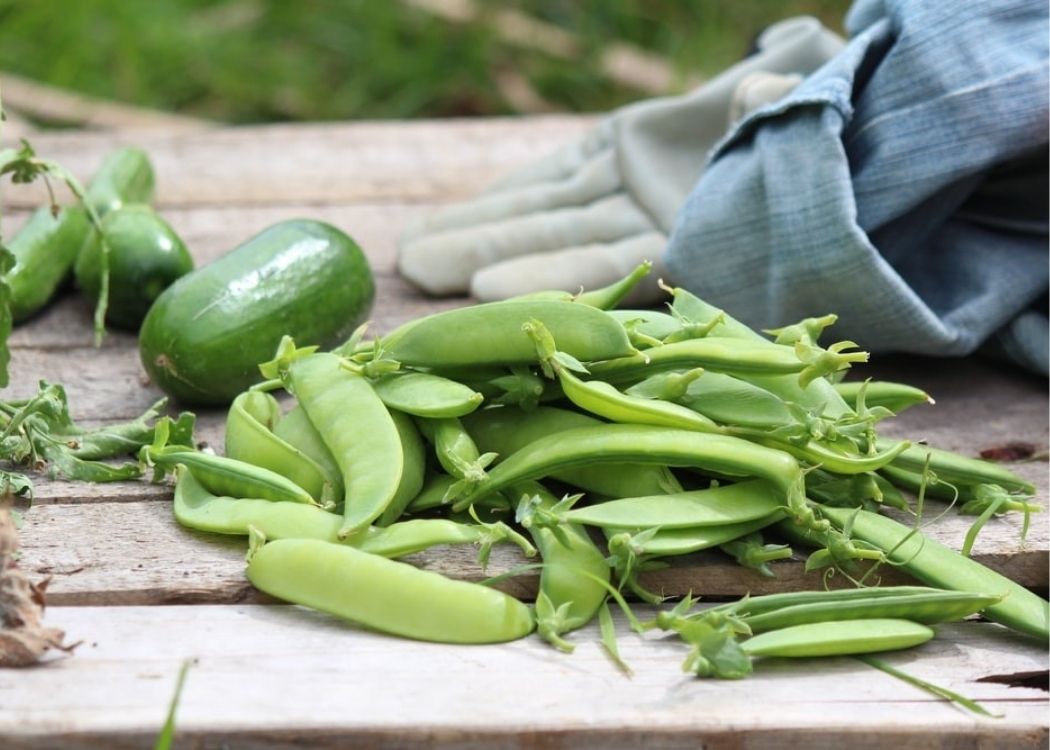
Your most exciting job this month is to pick the first courgettes, runner and French beans and peas. Autumn-planted onions and blueberries should be ready this month as well and second early potatoes, strawberries and summer raspberries are also there for the taking.
If the weather is right you’ll be harvesting beans and peas every day or so and your courgettes will grow like mad too. Picking them regularly will encourage new blooms and fruits. So keep an eye on them and harvest before they get too big. They’re also much, much tastier picked young; courgettes left for too long will turn into marrows and beans will become tough and stringy. Both have a habit of hiding under and behind leaves though; you think you’ve got them all and then you find one a week later that’s become a giant. It pays to be diligent in your search!
Did you know?
Courgettes, along with tomatoes and aubergines and several other plants we often consider to be ‘vegetables’ are technically fruits. This is because they contain seeds and develop from the flowers of the plant.
Flowers
Sweet peas will reward you for regular attention too. The more flowers you pick the more they’ll produce. Roses, pot marigolds (calendula) and delphiniums all bloom in July and, like sweet peas, make excellent cut flowers.
I you are ever looking for a particular plant or flower, check out our online plant finder
Planting:
Sow biennial flowers
Biennials have a two-year life cycle. In the first year they grow leaves, in the second they flower and then set seed and die. Many self-seed prolifically, leaving a legacy of flowers for the next-year-but-one. So sow them two years running to get a year-on-year display.
They look particularly at home in a cottage garden. Honesty, teasels, wallflowers, foxgloves, sweet Williams and sweet rocket (which has a stronger scent at night) are all biennials or best grown as such. (You’ll also find perennial cultivars of many biennials, for example foxgloves and wallflowers.)
Many are loved by pollinators and teasels have eye-catching seed heads that provide food for goldfinches.
July and August are the perfect months to sow most biennials. You can either throw them with gay abandon onto a patch of gravel or soil and let nature take its course, or scatter them more carefully into a well prepared seedbed where you’d like them to flower, covering with a fine layer of compost. The latter will bring you better results but there’s something very pleasing about the former.
Alternatively they can be sown in seed trays and then planted out later around the garden.
Many biennials will do better with a decent amount of sun, but some, such as foxgloves and sweet rocket, will thrive in part-shade too.
https://www.sarahraven.com/articles/sowing-biennials-for-next-year
https://www.gardenersworld.com/how-to/grow-plants/how-to-sow-foxglove-seeds/
Carry on successional sowing fast growers like salad leaves and spinach for a crop throughout the season.
Pruning and thinning:
Continue to pinch out cordon tomato sideshoots – these won’t produce fruit but use up nutrients and water.
Cut back wisteria
Wisteria doesn’t necessarily need pruning every year, but a good going over with the secateurs will encourage it to produce more blooms. And if it’s grown really well and you feel it’s starting to take over, then chopping it back will help it in check and prevent it from twining itself round your guttering. The best flower display is achieved with two pruning sessions, one in July or August, and one in January or February.
In July/August, cut back the whippy growth to about 6 leaves from the main stem. This allows light and air to circulate which ripens the buds that will form flowers next year.
Adam Frost shows you how here:
https://www.bbc.co.uk/programmes/p07j3ydh
A quick note of caution: Wisteria can suddenly produce a few late flowers around this time of year, so check for buds as you tackle your climber – it would be a shame to miss out on the extras!
Cut back early flowering perennials
By the end of the month you’ll probably find that early flowering perennials such as delphiniums and some cranesbills have finished flowering. Cutting them back to near ground level can feel ruthless but if you can bring yourself to do it you’ll promote the growth of lovely fresh new leaves and a second flush of flowers.
Thin out fruit trees
Apples, plums and pears can produce an abundance of young fruit by mid-summer and it’s tempting to leave it all on the tree to develop. However, sometimes less is more. You’ll find that some of the fruit drops naturally at this time of year and selectively removing some of the crop by hand is an important July job that has several benefits:
- It ensures that what remains gets more light, air and nutrients. As a result you’ll have larger, juicier, healthier fruit.
- It prevents individual fruits from rubbing against each other which can lead to disease.
- It saves branches from potentially bending or snapping. Leaving all the fruit in place can mean that the branch is unable to bear the weight. Plum trees are particularly prone to this.
- Trees that are left with all their fruit may give you a heavy crop this season, but very little next year. (‘Biennial bearing’ in horticultural parlance.)
How much you thin will depend on the type of tree. Apples, for example, should be thinned out to smaller clusters than pears. You’ll find guidance on how to do it here:
https://www.growveg.co.uk/guides/growing-fruit-why-thinning-creates-a-better-harvest/
And you can watch a video on thinning apple trees here:
https://www.youtube.com/watch?v=5f4QxlYihnw
Maintenance:
Continue to feed and water flowering plants, fruit and veg
Anything that swells, such as tomatoes, courgettes or beans, needs water to enable it to do so. Feeding and watering regularly will help your plants produce a tasty and healthy crop as well as encouraging flowers to continue blooming for longer.
Weed
Whilst it’s important to keep weeds under control to stop them stealing water and nutrients from other plants, you might consider finding a balance between total clearance and keeping some flowering plants and grasses for wildlife. Many species of moth and butterfly caterpillars, such as those of the meadow brown, marbled white and ringlet – all flying in July – feed on native grasses. So why not leave a test patch and who turns up to make use of it?
https://www.caterpillarfoodplants.com/native-grasses.html
Deadhead
Regular deadheading of summer bedding in particular, as well as roses and herbaceous perennials, will help to keep the flowers coming for as long as possible. To do it properly, pinch or cut the flower head off at the base of its stem. This stimulates growth hormones and is much more effective than simply whipping off the flower head alone.
Pestwatch
As well as aphids, slugs and snails (on the prowl as ever) keep a lookout for the scarlet lily beetle and which can strip lilies, fritillaries and Solomon’s seal almost while your back is turned. Rosemary beetle with its metallic green and purple stripes is a voracious eater of rosemary, lavender, sage and thyme. Both are rather beautiful but, from a gardener’s perspective at least, this is at odds with their merciless nature.
The dreaded vine weevil can also be a problem in July. The adults will hide during the day, emerging to chew notches in your plants’ leaves at night. But the deadly damage is done by the larvae which hide in compost and soil and munch away at roots. You probably won’t notice a problem until the plant simply collapses. Summer is egg-laying season so it’s important to keep a lookout now.
The simplest way to deal with them is to simply pick them off and crush them although this can be rather messy, particularly where lily beetles are concerned. Parasitic nematodes are also available to deal with vine weevils.
Wildlife care:
Young frogs are emerging from ponds and need places to hide while they find new homes. Planting low growing vegetation at the edge of your pond if you have one or leaving areas of long grass will help them. Even if you don’t have a pond there may be one nearby.
Avoid trimming hedges if you can. Blackbirds, sparrows, thrushes and some finches can all nest as late as August. If you have to trim, check the hedge for nests before doing so.
https://www.gardenersworld.com/plants/garden-wildlife-jobs-for-july/
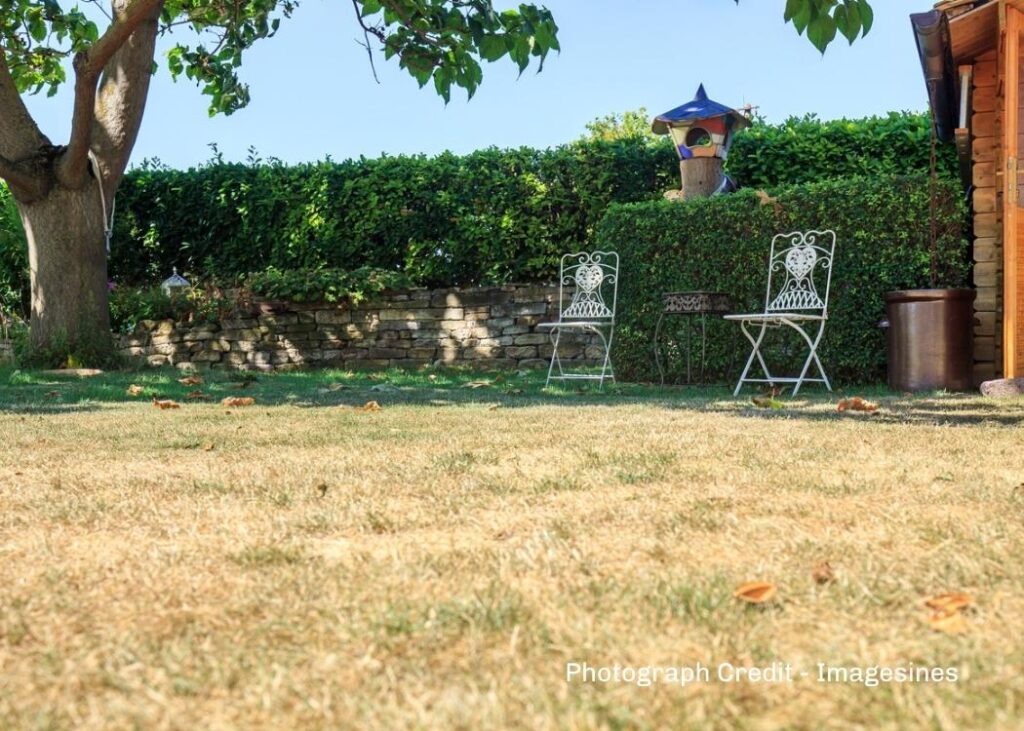
And lastly, when all this is done – and indeed during those essential breaks between jobs – allow yourself to sit in a chair in the sun and relax.