Blog
Top 10 Watering Tips For The Heatwave


Top 10 Watering Tips For The Heatwave.
Are your lupins limp and your dahlias drooping due to the drought? The Met Office has issued a rare Extreme Heat Warning covering much of England and parts of Wales. Exceptionally high temperatures are possible from Sunday, going into next week – with some forecasters predicting temperatures could top the British record of 38.7 °C on Wednesday. The scorching weather has raised concerns of water shortages and maybe even a hose pipe ban.
We often forget that water is a precious and limited resource, especially in the southeast of England. With sunbathing and barbecues on the menu this weekend Ali Barwani finds out that the solution to keeping your plants alive is not to keep getting the hose out.
So, what can gardeners do to cope during the drought? Follow our practical advice for successful watering with our 10 top tips:
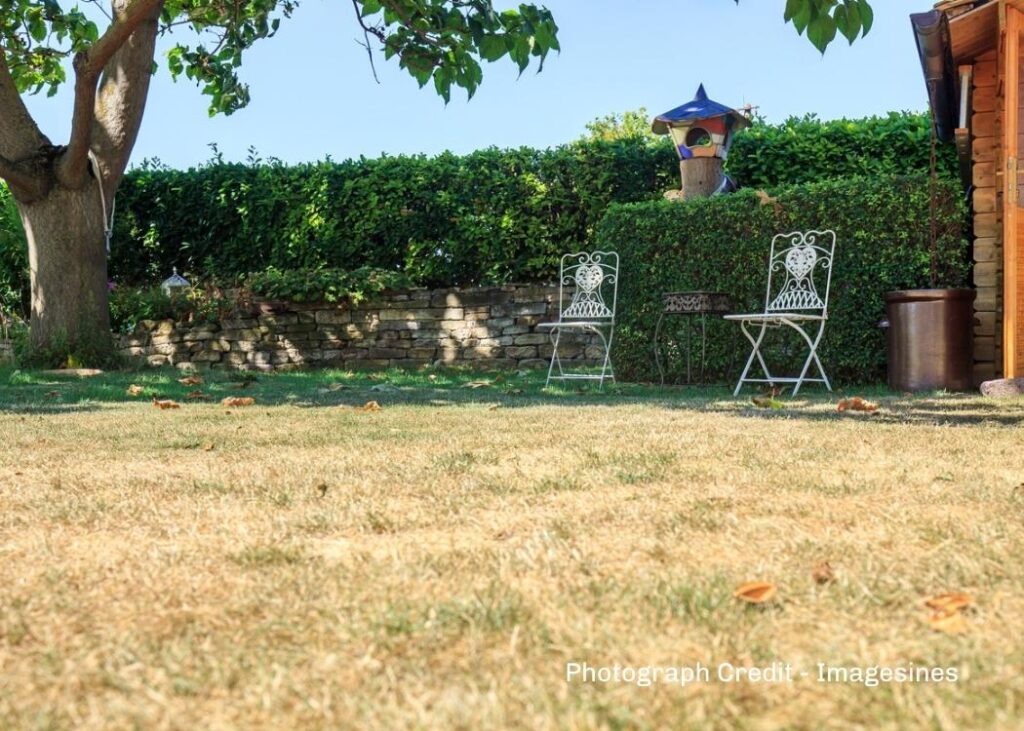
1) Let Your Lawn Go Brown.
An established lawn, that is one that hasn’t recently been laid, can survive periods of drought. Grasses are able to enter a self-protective state, called dormancy, during drought. A lawn with a healthy root system may look like it has died when it embrowns, but it will green-up once the rains return.
Don’t apply lawn fertilizer during the drought. The grass cannot take it up without water, and it may stress and even burn the lawn. Wait for wet weather to return and give the grass a deep soaking. You can give your lawn restorative treatments and maintenance during the autumn and next spring.
Remember, grass provides shade and keeps the soil cool. Long grass also traps dew when temperatures are lower at night, bringing water to the grass roots. If you must mow your grass, cut it using the highest blade setting, and leave grass clippings on the lawn to act as a protective mulch.
If you have a newly laid lawn, then you will need to water it to keep it alive. Irrigating a lawn with a hose and sprinkler uses a lot of water. According to Southern Water, a garden sprinkler can use as much water in one hour as a family of four use in a whole week.
2) Timing.
Water your plants either early in the morning, before 9 a.m. or during the late evening/night. Water during the heat of the day and you can lose up to 50% of the precious water by evaporation before it reaches the soil.
3) Plants in Pots and Containers Need More Attention.
Plants in pots and hanging baskets heat up very quickly. You have probably noticed that some planters can be too hot to touch during the day – they act like mini-storage radiators.
Thus, plants in containers often get stressed more quickly than then same plants planted in flowerbeds. Where possible move containers and hanging baskets into the shade for the duration of the heatwave. Water your containers every other day during this drought. Plants in tiny pots will need watering every day.
4) Water Infrequently and Heavily.
The old gardener’s dictum to ‘water heavily and infrequently’ is a good rule of thumb for most plants in the garden. Watering established plants heavily, but less often helps prevent encouraging the development of shallow roots. Light watering over a large area should be avoided. Using a watering can is a good way of controlling water use in the garden.
Top Tip: the water inside a hose left in direct sunlight can heat up to high temperatures that can burn plants – therefore, run your hose into a watering can so that it runs cool before you use it.
5) Water The Roots Not the Leaves.
Water around the plant, rather than spraying the leaves, this means the water will go to where then plant can absorb it.
6) Don’t Stop Weeding.
Weeds, especially large ones, will compete with your plants for moisture. So, keep up with your weeding.
7) Mulch Beds And Borders.
Mulching your plants during a drought helps keep the soil and roots cool during the heat of the day. It also helps the soil retain the water your give to your plants.
8) Prioritize Vulnerable Plants.
Firstly, if you have any small plants, such as seedlings and cuttings, then they will often be thirsty. If possible, move them to a cool location, and water them every day.
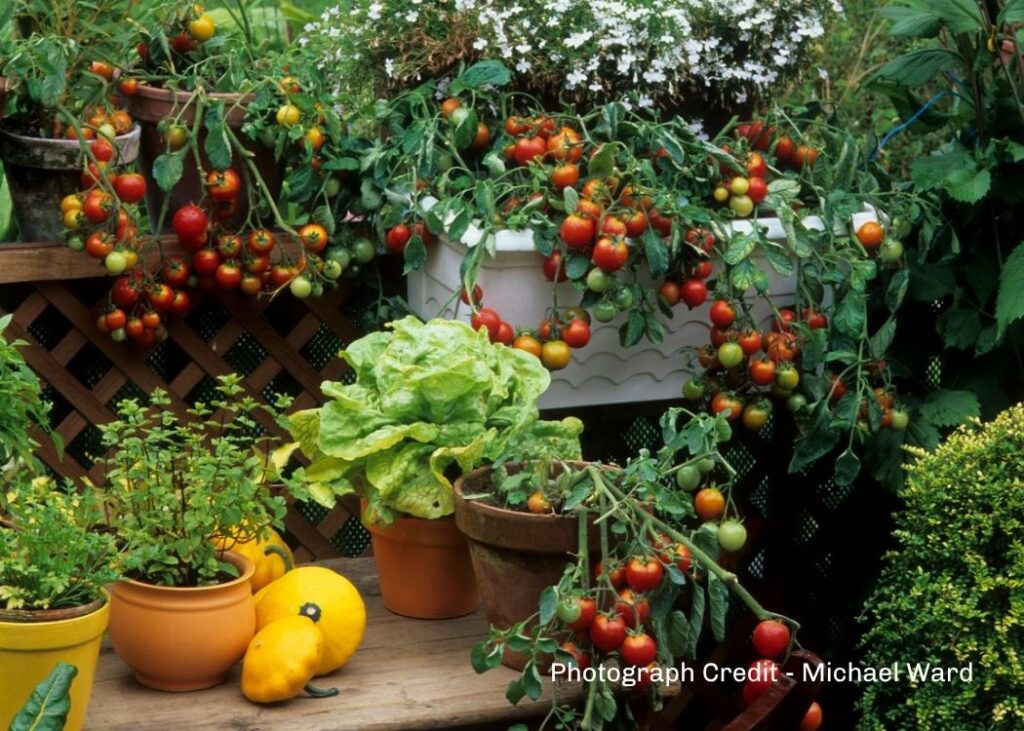
Secondly, look after crop plants, such as tomatoes and cucumbers – this is especially true for those in a greenhouse. During the extreme weather you may need to water them once a day as the fruits swell. Creating a shade canopy for your crops can help your home produce thrive during this heatwave.
Thirdly – shallow rooted plants such as bedding plants, leafy salad and vegetable crops, ferns and large leaved-plants need to be checked daily. They will suffer if they dry out. Any recently planted trees, shrubs or perennials should be regularly inspected and watered until the rains return.
Finally, during this extreme weather check on any plants that normally can look after themselves. Fruit trees grown on dwarfing rootstock should be watered once a week. Clematis and roses should also be watered once a week during the heatwave. Drought conditions make roses vulnerable to fungal disease such as blackspot.
9) Remember Wildlife. Watering flowering plants increases their nectar production, hydrating and feeding pollinators. Pollinators are important for crop production.
Clean and refill the birdbath – access to fresh water is vital for our feathered friends.
Leave a pebble-filled saucer full of water for bugs and insects to drink from without the risk of drowning.
Keep your pond topped up.
10) Use Grey Water. During the heatwave used recycled water – that is to say water saved from the washing-up bowl, bath & shower, and washing machine water (from the rinse cycle) – to water trees, shrubs, and perennials. But don’t let this grey water enter ponds or natural water courses.
In Conclusion:
Keeping your plants alive during this heatwave is challenging. Losses are inevitable; however, they can be kept to a minimum by following our 10 Top Tips. Deep watering is much more important than gentle spraying of leaves, no matter how nice that feels for the gardener!
Adapting your watering times and regime to those we suggest are key steps to keeping your plants healthy until the weather changes. And finally, think about installing a water butt so that you can harvest rainwater so that you don’t need to use as much valuable tap water in your garden during rest of the year.
Further information:
To find your local forecast:
To create a beautiful, drought tolerant succulent planter:
https://www.capitalgardens.co.uk/blog/planting-a-container-with-stunning-summer-succulents/
To prepare your garden for a 2-week holiday away:
Tips on Drought Resistant Gardening:
https://www.rhs.org.uk/garden-design/drought-resistant-gardening