Blog
Banish the chills: The thrill of Winter window boxes

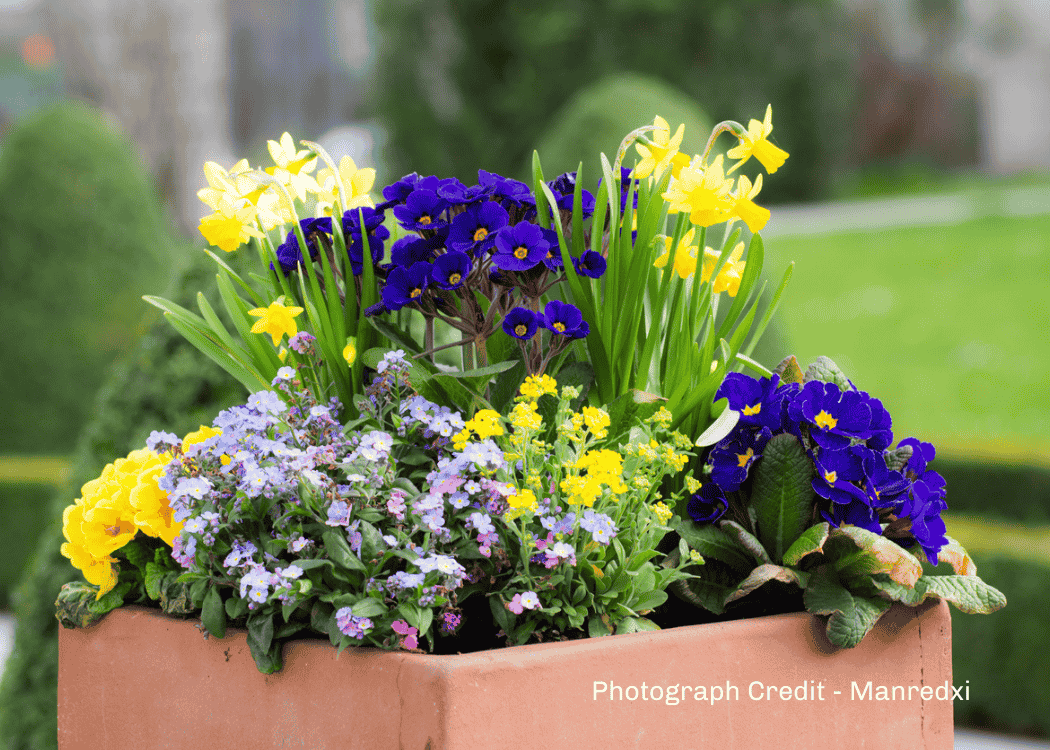
Nothing brightens up a dreary winter’s day and adds instant impact like a well-planted window box overflowing with lush, healthy plants. Quick and easy to plant, they’re also immensely satisfying to create. The time-poor gardener’s dream!
Thriller, filler, spiller is a familiar mantra to seasoned window box planters. Thrillers provide height, impact and drama. Plant perhaps just one or three per container, depending on its size. The idea is that they stand out from the crowd. Fillers are often rounded in shape, filling gaps and hiding the compost. They can be plain and understated to highlight the glory of your thrillers or floral, mini-thrillers in themselves. Spillers trail, cascading over the side of the box. One of the best spillers is ivy. It has a reputation for taking over but this is unlikely in a container and it will grow anywhere, in sun or shade. There are several, rather lovely, variegated forms which really help lift designs above the average. Planting like this creates a full, three-dimensional appearance and makes the most of the limited space.
This is just a guide, however. One of the exciting things about gardening is the opportunity it provides for experimentation. Thrillers tend to be more understated in winter as there are fewer showstoppers on offer than in spring and summer. But window boxes can still look gorgeous packed with winter and early spring flowering plants.
Use a variety of plants. Evergreens will last all year and provide good structure. The greenery of small shrubs, grasses and ferns provides a backdrop against which flowering plants can shine. Some will, over time, begin to take up too much space but can simply be transplanted into the garden or larger containers.
Flowering plants like pansies, violas, native primroses and hellebores all add colour and softness and many provide food for winter-flying bees too. And as the days get longer there’s even more inspiration on the plant tables in the form of rainbow-coloured bedding primulas and late winter/early spring flowering bulbs. These bridge the gap between winter and spring, allowing window boxes to segue nicely into the next season. Although the bulbs themselves should be planted in autumn, potted snowdrops, crocuses, and even early daffodils may be available ‘in the green’ at this time of year.
Planting tips:
- Plant in threes and fives. Repetition of the same three or four plants creates a sense of rhythm and harmony. In this instance, less is more.
- Don’t be afraid to plant generously. Growth is slow at this time of year so any gaps between plants are likely to remain for a while.
- Staggering plants within the window box, so that they’re in a gentle zigzag formation rather than straight lines, allows you to fit more in and makes the planting look more natural and informal.
- A mulch of bark or small pebbles adds a finishing touch and helps stop heavy rain disturbing the soil surface.
Plants for a sunny spot
Bloomers: Bright and cheerful primulas, pansies and violas all love the late winter/early spring sun. Unlike their summer-flowering cousins, winter heathers Erica carnea and E. x darleyensis are tolerant of alkaline soil so needn’t be restricted to sharing a space with other acid-loving plants. Sun-loving bulbs include crocuses and early daffodils like ‘February Gold’ and ‘Rijnveld’s Early Sensation’. To plant, lift them carefully out of the pot and place in the compost without separating the clump. Or keep the bulbs in their pots and sink them into the compost for easy replanting elsewhere.
Greenery: Grasses add texture and variety. Try blue-grey Festuca glauca, robust, golden Carex elata ‘Aurea’, or ethereal, airy Stipa tenuissima. Lysimachia nummularia ‘Aurea’ is an excellent spiller and in late winter you may also find creeping thyme and prostrate rosemary. Both have flowers later in the year which are adored by bees, and edibles are always a bonus.
For part shade
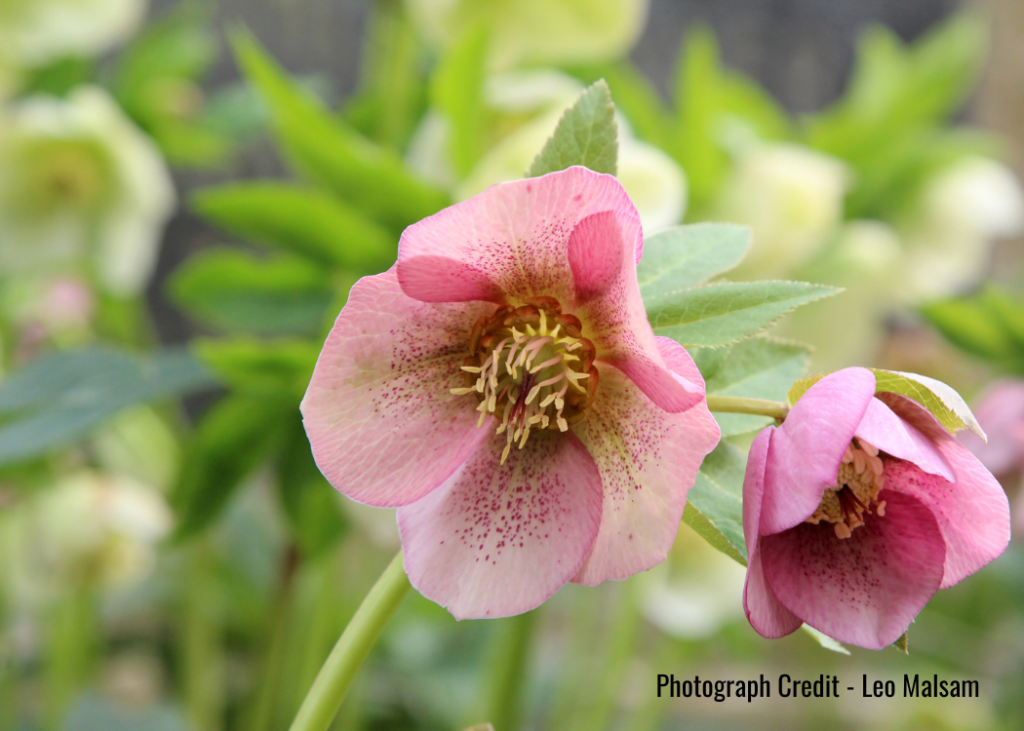
Bloomers: Gorgeous hellebores enchant in pink, deep purple or creamy white, most with nodding or downward-facing flowers which are perfect for upstairs window boxes. One of their joys is that they can act as both fillers (when very small) and thrillers (as they reach their full potential). Primulas, pansies and violas are perfectly happy in light to part-shade as well as sun and pretty cyclamen and icy white snowdrops are deserving of a place too. Plant snowdrops in the same way as potted daffodils and crocuses in growth.
https://www.gardenersworld.com/how-to/grow-plants/how-to-grow-hellebores/
Greenery: Small but beautifully formed, Gaultheria procumbens is a good filler with burnished, dark green leaves and red berries. Skimmias, those splendid all-rounders, will flower later, in spring, but now their buds are deep red or pale green, like clusters of minute berries. For those with a taste for the formal, evergreen euonymus are a good substitute for box. E. fortunei ‘Harlequin’ is a dwarf form, its green leaves splashed with white. E. japonicus ‘Jean Hugues’ has an upright habit and dark green leaves.
For shade
Choice is limited in areas which get little or no direct light but fortunately, ferns love such conditions. Blechnum spicant, hart’s tongue Asplenium scolopendrium and Polystichum polyblepharum are all evergreen and will thrive. There are others too. And this is when ivy comes into its own. Variegated forms do need some direct light to keep their colour but the plain, unvarnished version will tumble happily down the sides of window boxes in shade.
https://www.gardenersworld.com/plants/plants-for-full-shade/
We may not have all the plants listed in our stores but staff will be happy to suggest alternatives.
Winter window box care
Watering may not be needed, except immediately after planting, but keep an eye out. Window boxes can sit in rain shadows created by buildings so may need light watering in dry winters.
Deadhead flowering plants regularly to keep the blooms coming.
Uplifting and easy to make, window boxes won’t break the bank either. Gardening is, after all, an outlet for creativity, a means of self-expression, and planting a window box is a form of artistry available even to those without gardens.
Interested in Winter related blogs? Why not check out our blog – Exploring the Winter garden at Kew