Blog
Winter Care for Citrus

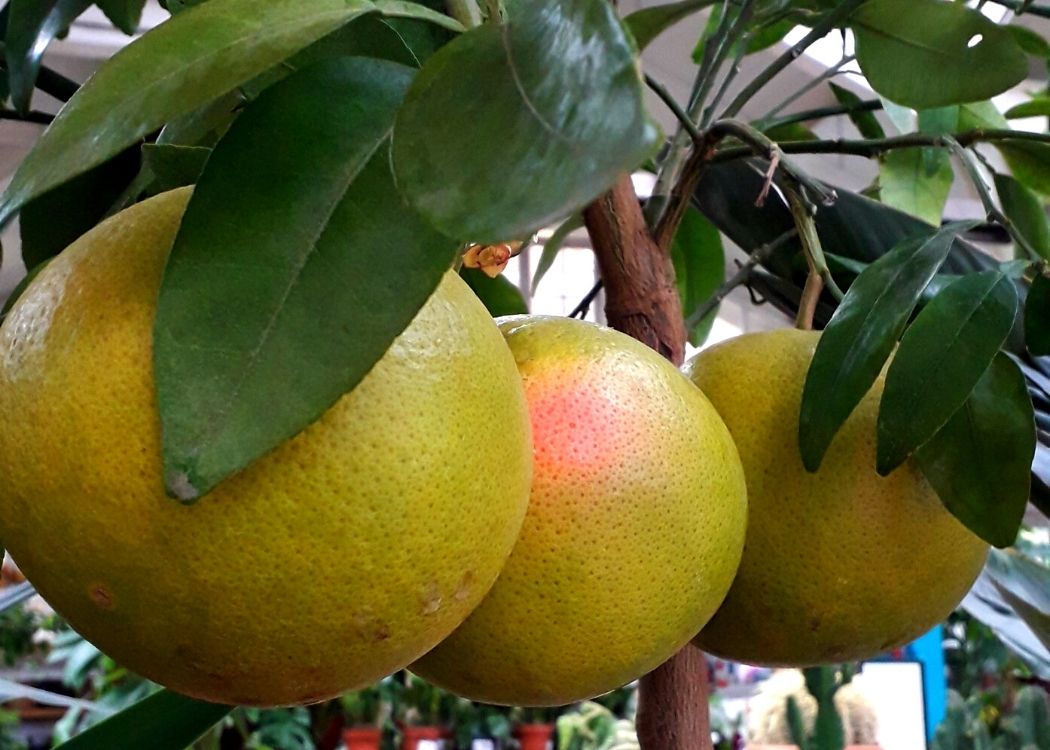
Winter Care for Citrus
In the run up to Christmas I eat tons of soft skinned citrus fruits and rejoice when I find fresh mandarins with their firmer fleshy texture and concentrated orange flavour. It is time well spent after dinner peeling citrus fruits and removing the white threads of pith, before devouring the zingy segments. So, what could be nicer that growing your own citrus fruits?
To learn about the history and science of citrus fruits, click on the link below: Top 10 Science facts about Citrus – Garden Museum
Are they difficult to grow?
The citrus family includes the familiar fruits such as oranges, lemons, grapefruits and limes, but also the less familiar such as kumquats and finger limes. They do require some care, but they are not that difficult to grow.
The secret to successful citrus growing is to have a frost-free porch, conservatory or greenhouse to overwinter them in. Citrus plants are not happy in our centrally heated homes over winter, where the temperatures are often too high for them, and the humidity and light levels are too low.
For much of the country, citrus plants are too tender to survive outside all year. However, having said that I have seen many citrus plants thriving and fruiting outdoors in sheltered London gardens.
The current warm spell we are enjoying means that there is little danger in leaving your citrus plants outside at night. However, before the weather changes it is best to start preparing your plants for their winter rest.
Our Top 4 tips for Winter Citrus Care.
1) Watering. Now is the time to reduce watering citrus plants. During winter, the trees stop producing new growth and go into a rest phase, so they need much less water than they required in summer.
Expert Tip: Water your plant from the top until the excess starts to run out of the pot. Do not leave your citrus standing in water for too long, because this may result in root rot. Do not water the plant again until the top 2- 4cm of the compost feels dry again.
Top Tip: Fill up your watering can the day before you water your citrus. This allows the water to reach room temperature before you use it. This is a good tip for all houseplants.
2) Light & Location. Citrus plants are sun lovers – in other words they need as much light as possible. So, they need an indoor position where they can get the maximum daylight available.
However, citrus plants do not want high temperatures over winter. Never place a citrus plant next to a radiator.
So, you need to find a cool but bright spot for them. Conservatories and glass porches make ideal places to overwinter citrus plants.
Citrus plants can be roughly divided into 3 groups according to their hardiness:
a) The non-hardy types. These include calamondins, grapefruit, kumquat, mandarin, sweet orange, and Tahitian lime. These need to be kept at a minimum of 5⁰C at night. They can go back out into the garden in late
April in London. A calamondin orange can be successfully grown as a house plant in a cool, bright room.
b) The almost-hardy types. These include lemon trees. These citruses are perfectly okay when temperatures fall to as low as 0⁰C. If they are kept dry in well-drained pots, they can withstand the occasional drop to as low as minus 2⁰C. As long as the roots in the pot are protected from frost then they are very tough plants. It is not uncommon to see lemon trees growing outside year-round in London front gardens.
c) Finger Limes. The finger lime (also known as caviar lime) is a very thorny citrus shrub hailing from Australia. The sausage-shaped fruits burst with pearl-like citrus bubbles when they are opened.
Finger limes are tough plants. They can survive temperatures as low as minus 15⁰C if their pots are well-drained.
In summary, if you have a non-hardy or almost hardy citrus plant then it is best to provide them with some protection during winter. Citrus need light, so place them close to a window. Citrus do not like draughts. They must not be placed near a radiator (the same goes for underfloor heating).
Expert tip: in the depths of winter, with its far from ideal light conditions, citrus plants will often drop a lot of leaves and look sad. Do not worry. If the roots are okay, and the stem is alive, then they will quickly recover and put out lush new growth when spring returns.
However, dramatic leaf drop can be a symptom of over or under-watering – so always check the soil for dampness if your plant suddenly drops its leaves. Having the temperature too high or too low is another potential cause of excessive leaf loss.
3) Look Out for Pests. When you bring a citrus plant into the warmth of the home there is often a rapid multiplication of pests. Mites, red spider mites, aphids, mealy bugs and scale insects are all very common citrus pests. The best advice I can give you is to keep an eye on your plants. If you can spot an infestation early on, then you can prevent it becoming serious and harming your plants. Prompt treatment is necessary with an appropriate spray such as the non-toxic Growth Technology SB Plant Invigorator (available in store at £7.99 for a ready to use spray bottle).
To learn more about aphids and how to remove them, visit our blog: How to get rid of Aphids – A handy guide – Capital Gardens
4) Winter Feed. We stock both Summer and Winter citrus feeds. The winter feed is specially formulated to help flower and fruit development. Citrus plants need a winter feed to keep them healthy with dark leaves. We stock Vitax Citrus winter soluble feed at £3.99 for a 200g container.
Citrus plants are very beautiful at this time of the year because they are winter fruiting. Their fragrant flowers can appear throughout the year but are usually most abundant during the winter months. As the fruits take up to one year to develop it is common to find both fruit and flowers on the plants in winter. Citrus flowers are self-fertile. This means a single plant can produce fruit.
Citrus plants make great Christmas gifts for garden lovers. At Capital Gardens we stock a wide range of citrus plants including lemons, oranges, limes, kumquats, finger limes and many more citrus varieties. Visit one of our stores to see our range.
Finally, what could be more satisfying this Christmas, than relaxing in the evening with a G&T with a slice of home grown citrus?
For more ideas about fruit growing read our summer fruit blog: https://www.capitalgardens.co.uk/blog/figs-grapes-and-apples/