Blog
Creating Stylish Winter Containers

Creating Stylish Winter Containers
If you’re looking for a simple way to freshen up your garden then take an hour or so this weekend to plant up some winter pots. This quick and easy task will breathe new life into your outdoor space and carry it through winter and into spring. In this article, I’ll share some tips for creating smart winter planters that will brighten up any patio, front garden, or balcony.
Breaking Old Habits
I do much of my plant research at the RHS Lindley Library at Victoria, and one thing that always impresses me when visiting the area is the abundance of beautiful window boxes and containers adorning mansion blocks, hotels, restaurants, and offices. Why do these planters always look picture perfect? Easy, because they are looked after by garden maintenance companies. The containers receive regular maintenance and planting up. Displays are changed seasonally, with the contents emptied into dumpy sacks for composting. So, if you feel emotionally attached to those leggy geraniums from last summer, you need to toughen up and compost them! Letting go of old plants is liberating. When planting up the resultant empty pots it’s important be bold! Instead of approaching it as a typical gardening task, think of it more like flower arranging. Seasonal displays are not permanent, so you must fill your containers with plants to achieve that ‘full’ effect.
Pack ‘em In
My key tip for creating beautiful winter containers is to use plenty of plants – hang the expense! In other words, be generous with your budget if you want full and impactful displays. Another good tip is to include plants that will provide a variety of heights and textures. Also choose colours that combine well. And finally, don’t forget to include some trailing plants to soften pot edges.
Repetition
To create a harmonious look for your outside space, repeat the planting theme of your winter pots in nearby containers. This will help tie everything together and create a unified look that will enhance the overall aesthetic. For example, having one beautiful window box is dandy, but the effect is far more powerful if the same planting is repeated in all your window boxes.
Go Big, Group, and Rotate
If you have a tiny garden remember that small pots lack impact. You are better off having a few large pots rather than masses of tiddlers. How you place your containers is important too. Group pots together to create visually striking displays. Lastly, move pots into prime positions as they come into flower and move them aside as they fade – this will ensure that you are always looking at the best possible display in your garden.
Compost and Drainage
When planting up winter pots, be sure to use fresh compost to provide your plants with all the nutrients they need to thrive. I like to make my own mixture using equal parts of John Innes No. 3 compost, horticultural grit, and soil improver. Finally, I mulch my planted containers with a thick layer of composted bark. This not only looks good, but prevents soil splashback during heavy rain, reduces moisture loss, and suppresses weeds. Sharp drainage is vital, so make sure that any container used has adequate drainage. And finally, place your pots on pot feet rather than sitting in saucers. Saucers are excellent for the summer months, but in winter they will hold water that can result in root rot and plant death.
Move Beyond Winter Pansies and Primulas
While pansies and primulas remain popular choices for winter pots, there are endless alternatives available. The ‘pub garden’ riot of colour looks fine in summer but doesn’t work well on a winter’s day. Consider combining different varieties of evergreens and hardy perennials to create more subtle and interesting winter displays. A range of small specimens of these plants can be found in our UK grown ‘Tubs and Baskets’ selection.
Four Suggestions for Planting Different Pots
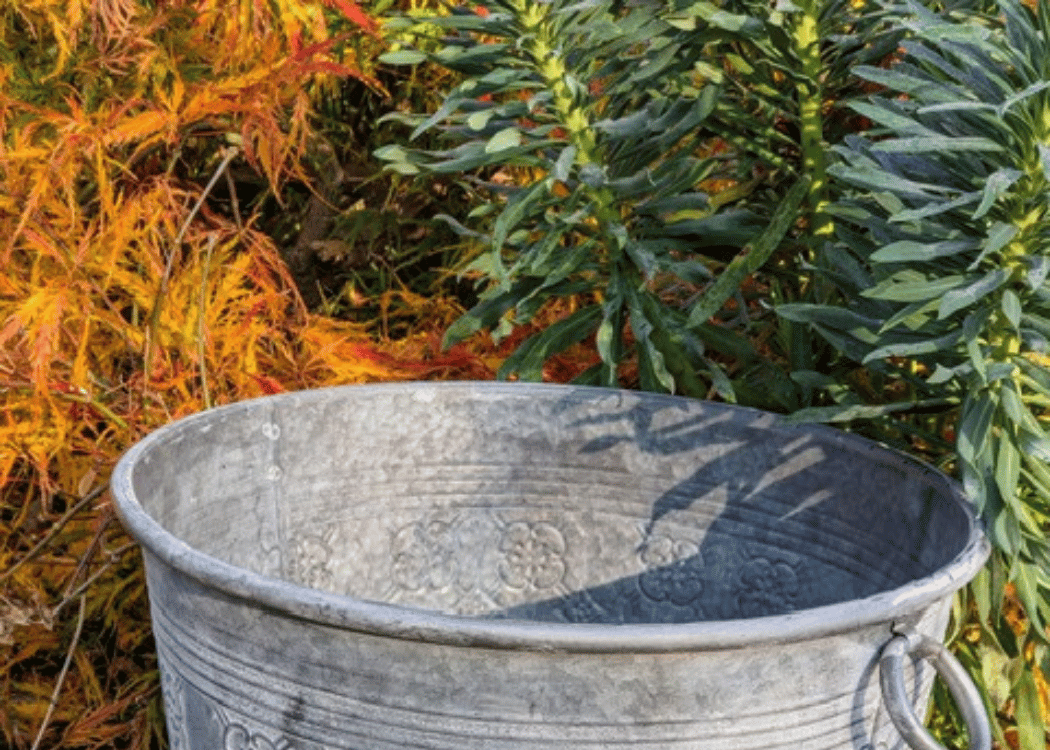
Pots are an important design element. Choosing a pot is as crucial to success as selecting your plants. I have picked four very different vessels from our shelves and used them as the inspiration for creating four different planting plans. Some of the shrubby plants suggested can initially be left in the containers year round, while the violas and flowering bulbs can be replaced by summer bedding. Alternatively, the shrubs can be moved and planted in borders and allowed to grow.
- Chamberlain & Co. Metal Patterned Cone: I would plant this galvanized container with the variegated Euonymus ‘White Spire’ for height, spikey Astelia for drama, Jacobea maritima for texture, and use Festuca ‘Intense Blue’ to add subtle colour. White flowered violas could be used to fill in the interstices between larger plants, and a variegated small-leafed ivy to provide a trailing element to the design. The look is clean and modern.
Apta Old Stone Ribbed Cone: A large, red-stemmed Cornus alba ‘Siberica’ would provide height and colour at the centre of the composition. I’d add Leucothoe keiskei ‘Burning Love’ for is dark crimson leaves and fill any gaps with small Skimmia japonica ‘Rubella’ for their masses of velvety-red flower buds and dark green leaves. I would use the reddish-brown sedge Carex comans ‘Bronze’ to blur the pot edges. Pot grown snowdrops could be inserted into the display in January to refresh the arrangement. The look is rustic and warm.
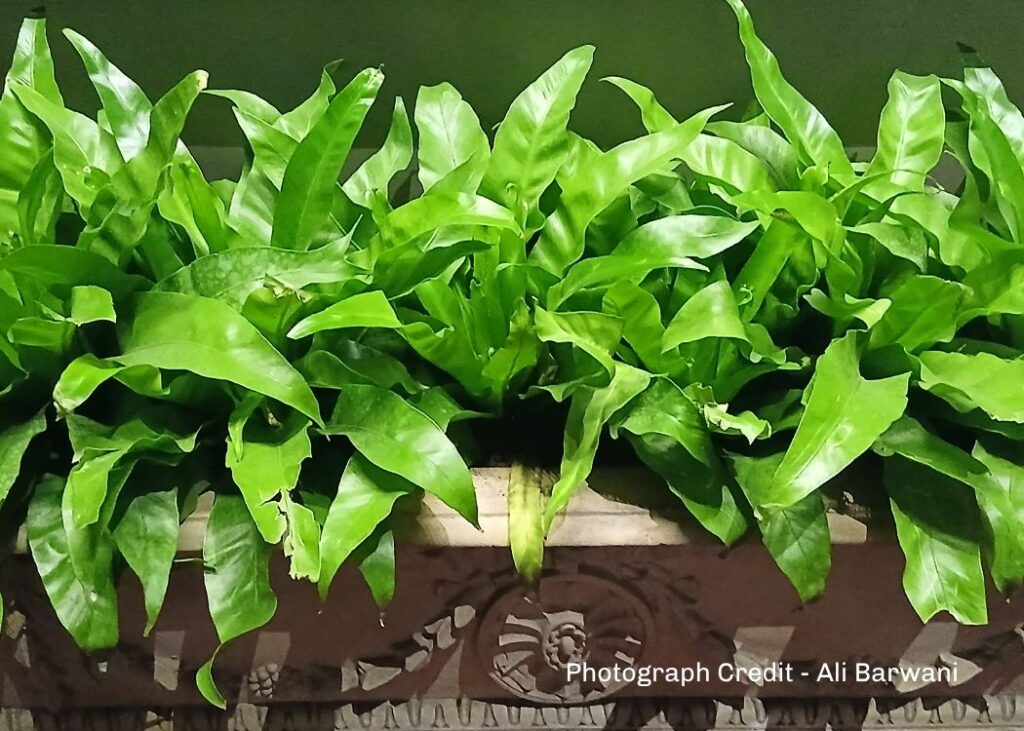
Antique two-tone jade egg pot: I would restrict my palette to shades of green and yellow when planting this statement pot. A large specimen of Sarcococca confusa (sweet box) would add height and elegance to the display, with the bonus of its insignificant looking but sweetly scented winter flowers. Mahonia ‘Sweet Winter’ has large, graceful pinnate leaves that contrast well with the small leaves of the sweet box. It also produces racemes of bright yellow flowers in winter that attract late-flying bees. I would add the soft shield fern to bring diversity of leaf form and colour, and I would employ Muehlenbeckia to fill the gaps and to trail over the side. The theme for this display is freshness and vibrancy.
Terracotta Venetian Window Box: This ribbed, unglazed trough inspires formality. For height I would use an odd number of either upright green Euonymus, Ilex crenata cones, or dwarf conifers. I would add pale blue violas as a filler, and green ivy as my trailing plant. White flowered cyclamen could be added to provide interest now and into December, to be replaced in January with pot grown tête-à-tête narcissi. The look is classic and timeless.
In conclusion, planting up winter pots is a simple and effective way to add colour and interest to your outdoor space during the colder months. By following these tips and experimenting with different pots and plants, you can create stunning displays that will lift your garden and bring joy throughout the winter. So, grab some containers and plants and get creative this weekend!
Further reading:
RHS Lindley Library
Plants for winter containers
https://www.gardenersworld.com/plants/best-plants-for-winter-containers/
https://www.capitalgardens.co.uk/blog/creating-beautiful-winter-containers/