Blog
Winter warmers: plant protection for frosty days and nights


Winter warmers: plant protection for frosty days and nights
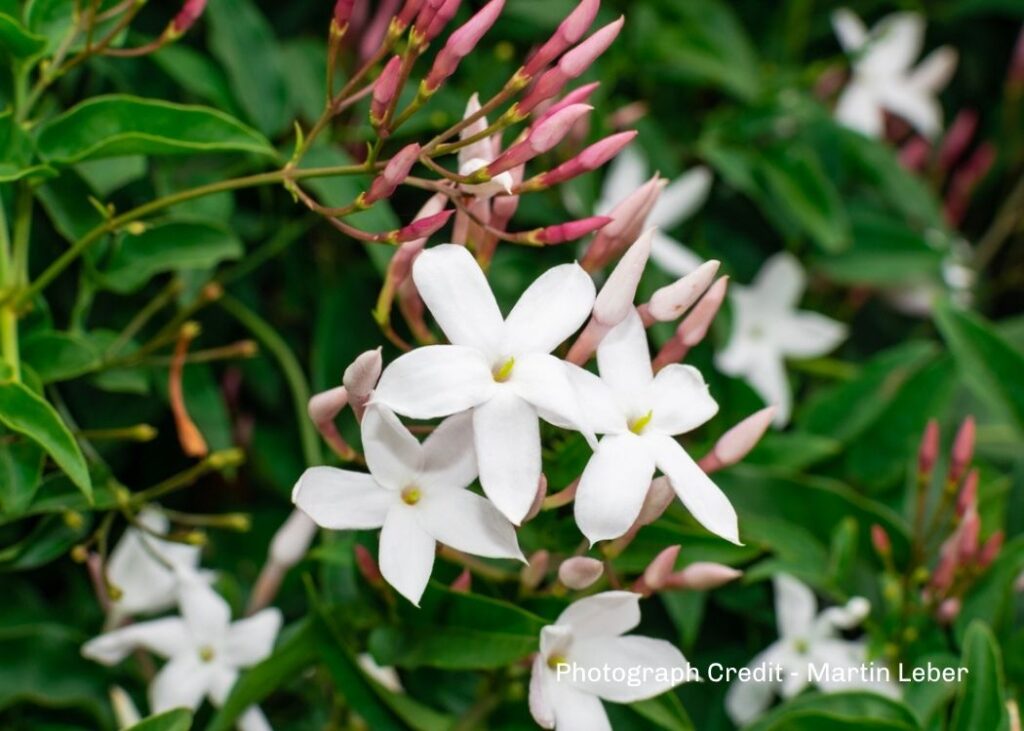
Plants have evolved some extraordinary mechanisms to protect themselves from frost damage. But even hardy specimens can suffer in a really tough winter, or one that has very cold days with freezing winds. The jasmine in my garden suffered alarmingly as a result of the infamous 2018 Beast from the East even though it should be hardy down to at least -10 degrees C. (It did bounce back, happily.) And unfortunately climate change means we can expect more extreme winters. However, there are ways to protect your plants that should see them through all but the most glacial conditions.
How do frost and freezing winds damage plants?
Plants can be damaged or killed by frost as a result of water freezing inside their cells. The first signs of this on the soft leaves of winter bedding are that they droop or have dark, saturated-looking patches. On the leaves of hardy evergreens brown areas appear which look like scorching, while the stems of some plants like dahlias and cannas may turn black and soggy.
Wind damage is caused by moisture loss from the leaves. This may be worsened if the soil is frozen, as plants are unable to take up ground water. Leaves become brown, dry and singed-looking, either completely or around the edges.
So how do plants protect themselves?
Some plants have the ability to:
- Make their own anti-freeze by accumulating sugars and other substances. This lowers the freezing point of the contents of the plant cells. The process is triggered by changes in day length during autumn.
- ‘Supercooling’, a different process which allows the cell contents to remain liquid even at temperatures below freezing point. It requires a period of cold weather prior to the frost, so even these plants can be damaged by a sudden very cold snap.
- Tolerate a form of dehydration for a period of time and eject water from their cells into the area between the cell walls. This means that even when the water freezes it doesn’t cause damage. It’s a strategy is adopted by trees in arctic regions and needs a long lead-in period of slow chilling.
Plants reflect their origins in many ways and these include the temperatures they can withstand. So the RHS has devised a system of hardiness ratings to help gardeners work out which of their plants need a dose of TLC to support them through the winter. It ranges from plants that need to be grown indoors or under glass all year (H1a) to those that can tolerate temperatures of less than an eye-watering -20 degrees C (H7). H7 plants include a few surprises, plants which don’t look particularly tough like achilllea (yarrow) and some Japanese anemones. The information you need for a particular plant should be available online and you can see the RHS hardiness table here:
https://www.rhs.org.uk/plants/trials-awards/award-of-garden-merit/rhs-hardiness-rating
Tender plants
Smaller plants like cannas, gladioli, dahlias and tuberous begonias can be cut back and mulched with bark chippings, compost or straw and left in place in mild areas or if they’re growing in sheltered spots in the garden. Don’t skimp on the mulch though – it should be at least 5cm (2ins) thick.
Otherwise, leave plants until the first sign of frost damage – blackening of the stems. Then cut them back and remove them, roots and all, from the ground and store in a cool, dark, dry place over winter.
https://www.rhs.org.uk/prevention-protection/overwintering-tender-plants-lifting-or-mulching
Tree ferns and other larger plants that are too big or awkward to lift will need wrapping in horticultural fleece or hessian. There’s a detailed guide here:
https://www.rhs.org.uk/prevention-protection/overwintering-tender-plants-wrapping
Slightly tender herbaceous perennials
It’s usual to chop back the stems of herbaceous perennials when tidying up the garden in autumn. But in fact it’s best to leave them on slightly tender plants like penstemon, gaura and some salvias as this helps to protect any young and vulnerable shoots. (Leave them if they have nice seedheads too. They’ll give you something lovely to look at in winter, especially when they glint in the frost. Birds will love to snack on them as well and some make excellent hidey holes for overwintering insects and the caterpillars of very small moths.) Mulching around the crown (or base) of the plant with bark chippings or compost also helps.
Plants in containers
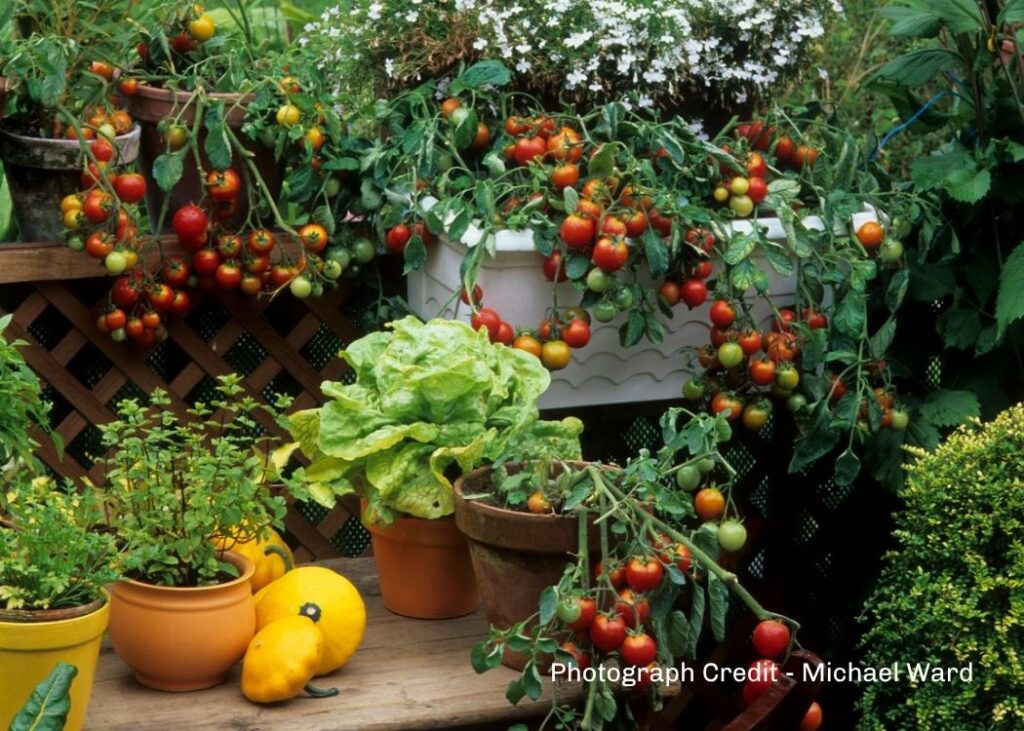
These are more prone to damage by the cold because their roots are less insulated than if they were in the ground. They’re also more likely to become waterlogged, so set plant saucers aside. Placing on pot feet or bricks, too, will help to ensure that water can drain freely from the pot holes. Waterlogged soil will expand as it freezes and may crack your pots but pot feet should also help to prevent this.
To provide additional protection, move containers to a sheltered place – this could be a cold frame or greenhouse, or simply next to a house wall. Group them together. Like small birds, they’ll benefit from each other’s warmth. If they’re too big to move, wrap the pot and plant in horticultural fleece or hessian.
Winter veg and salads
If you’re a fan of crops like winter spinach and hardy lettuce, or have sown your broad beans early to give them a head start next year, protecting with cloches or mini polytunnels should ensure they shrug off frost damage and allow maximum cropping potential. Cloches have the added advantage of keeping harm from heavy rain and hail at bay.
Seedlings and cuttings
If you’ve planned ahead for next year by autumn sowing hardy annuals in pots or taking cuttings, it’s as well to provide them with shelter over winter. The additional warmth will also help their growth in spring. Greenhouses and cold frames are ideal for this. It’s important to open the lids of cold frames on any warm days to allow air to circulate and help deter fungal spores that may be lurking, waiting for an opportunity to pounce.
Hardy plants
If there’s going to be a big freeze and you’re worried, protect hardy plants by moving or wrapping as above. Bear in mind too that early morning sun can cause rapid thawing which damages the buds and new growth of some plants like camellias and magnolias. Because of this, they’re best not grown in an east-facing position.
https://www.gardenersworld.com/plants/quick-ways-to-protect-plants-from-frost/
Other measures
Apart from the risk of scorch, fierce winter winds can also cause havoc by breaking stems and branches. However there are measures you can take to minimise the damage, such as tying any errant stems of climbers into trellis and staking tall plants to provide support. Pruning long stems or branches will also help but you may want to check pruning regimes before you do so in case you chop off next year’s flowering wood. Cloches will help prevent wind damage to the vulnerable foliage of seedlings and winter salads.
The need for winter protection depends on the hardiness of the plant and whether you live in a mild or colder area of the UK. Our gardens, too, are likely to have areas that are sheltered and places that are more exposed. And although climate change means lower temperatures we can expect milder winters too.
In some ways this is good news for gardeners as more tender plants will come through unscathed, but there are downsides as well. The deep dormancy by which some trees and shrubs protect themselves may not be triggered, leaving them less able to withstand the impact of sudden very cold spells and freezing winds. What winter will throw at us is anyone’s guess so it’s as well to try and be prepared for all possible scenarios. The first frosts can appear from November onwards. So making sure that you have everything you might need before winter really sets in and taking precautions if a cold snap is predicted are sensible ways to head off possible damage.
And a final positive thought: Don’t give up straightaway on plants that appear to have succumbed to frost. They may look dead but it’s entirely possible that they’ll re-emerge triumphant from the roots or dormant buds come spring.