Blog
Sarcococca: Sweet Box or Christmas Box.


Sarcococca: Sweet Box or Christmas Box.
The sun rises late in the morning, and it gets dark around four in the afternoon. Days are short, and darkness is long. Many people forget about their garden in winter. But there are some plants that come into their own during the cold months and it is one of these I am planting today.
Sarcococca, also known as sweet box, is a genus (a closely related group of species) of shrubs. For much of the year Sarcococca goes unnoticed, and yet soon you will notice them.
Sarcococca is a member of the box family (Buxaceae). A recent revision of the genus Sarcococca now recognises 11 species, though you will commonly find 14 species mentioned in other sources.
The scientific name derives from the Greek words sarkos meaning flesh and kokkos meaning a berry, referring to the plump fruits formed following flowering.
The genus Sarcococca has a wide natural distribution across SE Asia from Afghanistan through the Himalaya to Burma and China. It spreads southwards through peninsula India, to Sri Lanka and Thailand. Species of Sarcococca are also found on Java and Sumatra, Taiwan, and on the island of Luzon.
Sarcococca form bushy shrubs with attractive foliage. Garden forms are evergreen, easy to grow and are low maintenance. They form beautiful shrubs that should not be thought of as mere space fillers for shady places where something blowsier will not grow.
In my experience they are disliked by slugs and snails, and other pests. They grow slowly by suckering from underground stems. Sweet box does well in any fertile soil, including clay and alkaline conditions. They enjoy a position in partial shade but can tolerate a sunny spot if the soil is moist during summer. Once established they will even cope with dry shade, for example under a tree. Sarcococca was one of the shade loving plants I found flourishing in Postman’s Park during my recent visit, which is appropriate as another common name for them is postman’s friend.
Sweet box is not just garden-worthy due to its shade tolerance and glossy leaves. Its uplifting scent is heaven sent as the heavily perfumed flowers are produced during the bleakest time of the year – from now until March.
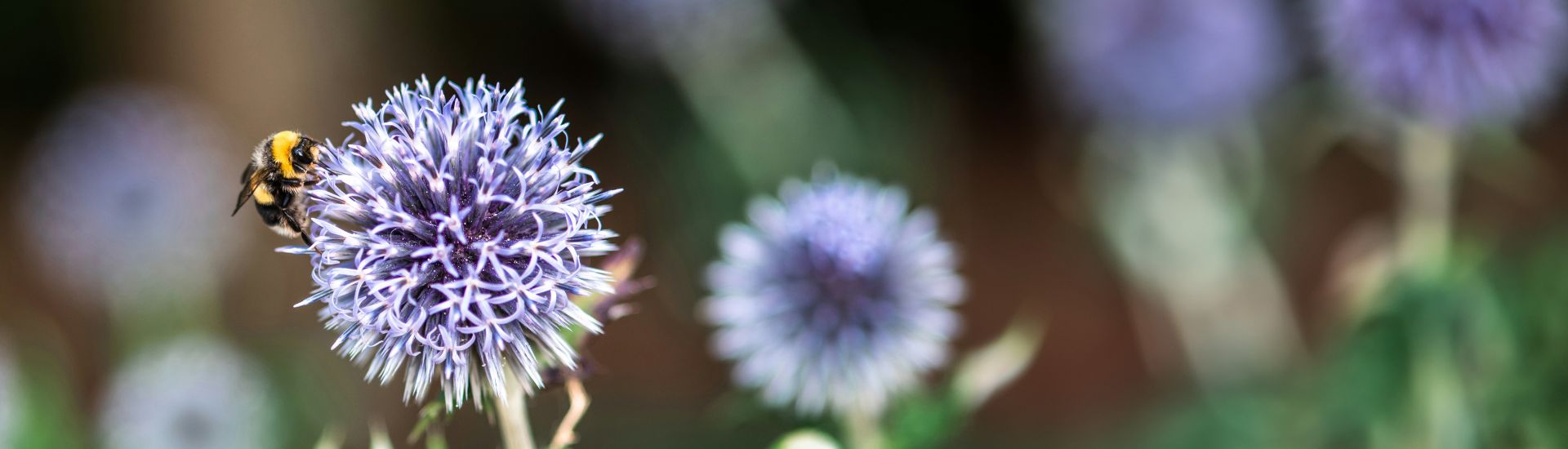
The olfactory delight of Sarcococca emanates from under the leaves, though many people fail to notice the tiny, white flowers. A few cut flowering stems placed in a vase quickly fills a room with jasmine-like fragrance. This ambrosial aroma is not produced for our pleasure. The volatile organic compounds evaporating and pervading the air are released to attract winter-flying pollinators such as bumblebee queens. Planting sweet box in your garden helps support bumblebees in your neighbourhood.
Some choice varieties.
Sarcococca confusa or Christmas box forms a large shrub with gracefully arching branches. Its glossy, deep green leaves have a gentle ruckling. The small white blooms with their powerful sweet scent are later followed by shiny black berries.
Sarcococca hookeriana or the Himalayan sweet box is a bushy evergreen shrub. Its green leaves are lanceolate in shape. The small, honey-scented white flowers are followed by glossy black berries.
Sarcococca hookeriana variety digyna ‘Purple Stem’ has attractive, purple-flushed stems and narrow leaves. Its white flowers have a pink base, and they embrace visitors with their warm musky perfume.
Sarcococca hookeriana variety humulis or dwarf sweet box is a low growing form ideal for edging flower beds. In winter it is adorned with clusters of white flowers that are followed by black berries.
Sarcococca ruscifolia variety chinensis ‘Dragon Gate’. A compact and heavily flowering form of Chinese fragrant sweet box with small, dark green leaves. Its cream-coloured flowers are followed by red berries in summer.
Finding the right place.
I am planting my Sarcococca confusa in a large slate grey pot, just outside my front door. The house faces north, so the front garden doesn’t get much sun but that won’t be a problem. I want it near to the door because I want to be able to smell it whenever I leave or return. It will also be enjoyed by passersby including the postman delivering Christmas cards.
When you are out walking on warmer winter days you are likely to encounter the unexpected fragrance of sweet box long before you find the source. And when you locate the glossy green shrub, you will realise it has been there all year: in your neighbour’s garden or the shady entrance to the park, waiting for its moment in the spotlight.
Further reading:
https://www.capitalgardens.co.uk/blog/postmans-park-in-november/