Blog
Minding the Gap: June-flowering plants for bees


Minding the Gap: June-flowering plants for bees
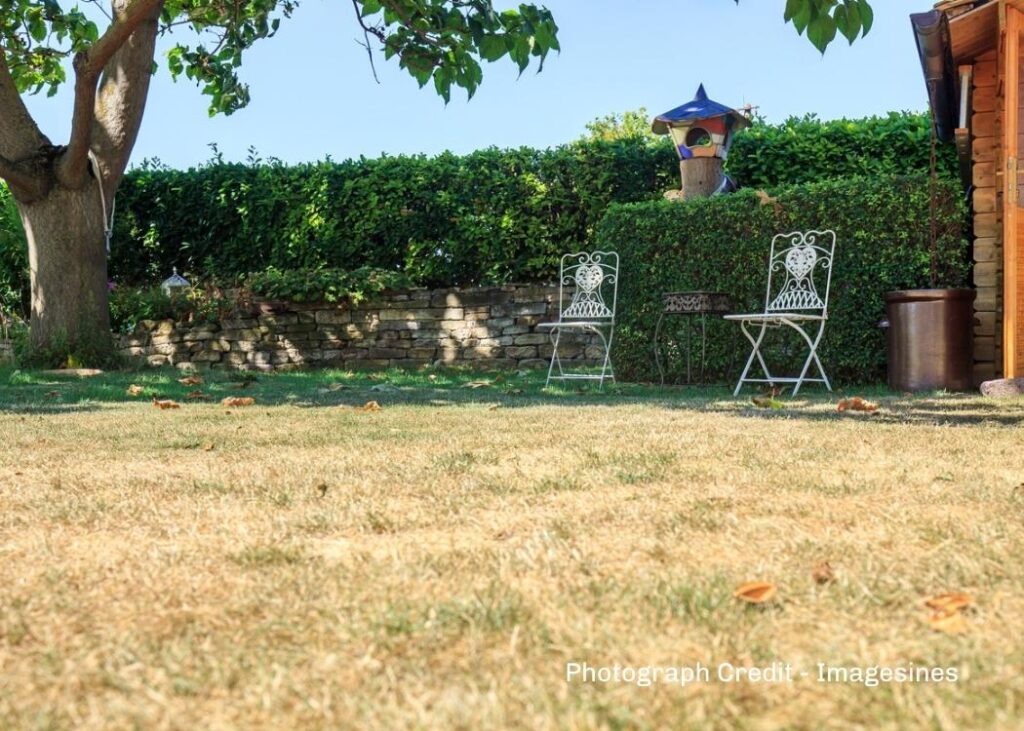
There’s a period at the beginning of summer when many spring flowers, particularly native plants, are fading fast but the summer blooming period is yet to begin in earnest. For gardeners the June Gap can mean a fallow period with lush green foliage but few splashes of colour to draw the eye. It’s also a tricky time for bees and so for beekeepers this time of year can be something of a worry.
Plants are triggered into growth by different factors. Some, for example, respond to daylight length while others respond to changes in temperature. So the exact timing of the June Gap can vary from region to region. There are variations within areas where there are hot or cold spots and even within gardens and neighbourhoods. Your pyracantha in a shady spot may well be a couple of weeks behind your neighbour’s if that’s planted in a sun trap. And different species of the same plant often flower at different times. Add to that increasingly unpredictable and extreme weather patterns and we have a bit of a muddle on our hands.
Bees need sugary nectar to sustain them. They also feed their young with a mixture of pollen and nectar known as ‘beebread’. In June Queen honey bees are busy laying eggs, the worker population is reaching its peak as high summer approaches and there are many larvae to feed. And the June Gap is difficult for many pollinators, not just bees. Nearly all of them drink nectar, so other insects such as butterflies, hoverflies and some moths depend on it too. Yet there’s a shortage of natural fodder.
So we’ve selected some plants that will help you manage an early summer gap in your outdoor space and which are good for pollinators too. Most bee species have their own preferences so planting a mix of flowers with different shapes is most helpful and also makes for a more interesting garden! What is important though is that they have open centres, or at least centres that are easily opened, so that pollen and nectar can easily be reached. Watch the bees nosing their way into lupin flowers and you’ll see what I mean.
Long bloomers
Flowering from late spring and continuing until late summer or early autumn, these plants are excellent value as well as being more or less guaranteed to help fill the June Gap. They should all keep going for at least three months.
Erysimum ‘Bowles’s Mauve’: a luminous purple perennial wallflower which often flowers from late April until October and is happy in part-shade as well as full sun. It’s named after E.A. Bowles, who created the garden at Myddelton House in North London. (It’s lovely and definitely worth a visit.)
Sun-loving Centranthus ruber: commonly known as valerian and displaying deep rose, paler pink and white flowers, this is an absolute pollinator magnet as well as being a plant that no cottage garden should be without. It often blooms from May to September and self-seeds willingly.
Erigeron karvinskianus: this tough but delicate-looking pink and white daisy flourishes along Australian coastlines as well as in our gardens. Flowering prolifically from May to October, it does best in sun but will also tolerate some shade and self-seeds joyfully in cracks in walls and paving stones.
Geums: some geums flower relatively early but there are many who arrive later to the party and, as if to make up for it, have a longer flowering period. Geum ‘Mrs J Bradshaw’ has scarlet, semi-double but open blooms. Striking orange ‘Borisii’ is a nice alternative to ‘Totally Tangerine’ if you’re not keen on the latter’s slightly pinkish tones. And ‘Lady Stratheden’ is sun yellow. All can flower from May to September given the right conditions. They don’t like to dry out but otherwise are fairly tolerant and easy to grow in sun or part-shade. They’re usually slug and snail-resistant and are also said to not to be appetising to deer and rabbits!
Papaver cambricum: a true garden heroine, the perennial Welsh poppy has bright orange or yellow blooms. Happy in full sun, it’s also one of the few plants that will flower without fuss in unwelcoming dry shade and, self-seeding happily, pops up in unexpected nooks and crannies in the garden. It usually blooms from May to October. Although poppies don’t produce nectar, their pollen is enthusiastically harvested by bees for their larvae at this time of year.
Cerinthe major: also known as honeywort, this hardy annual has unusual blue-green foliage. A popular cultivar is ‘Purpurascens’, with pretty, deep purple, bell-like flowers from May to August. At its best in a sunny spot, sow in spring and watch the bees home in on it in June.
Flowers for May/June
The lilac and violet pompoms of alliums provide a welcome feast for pollinators. This group of plants now includes Allium siculum (formerly Nectaroscordum siculum but recently reclassified). Its unusual blackcurrant and honey-coloured bell-shaped flowers will fit into just about any colour scheme.
Other bee-friendly plants are Centaurea montana (knapweed), native red, white and pink campion and glorious ox-eye daisies (plant them in groups if you can). Comfrey has beautiful pink, purple and blue flowers and hanging spirals of buds – a work of art as they unfurl. Their leaves can also be used to make a nutritious plant feed that’s high in potassium so is particularly good for promoting flowering. https://www.gardenersworld.com/how-to/grow-plants/how-to-make-a-comfrey-feed/
Vibrant lupins and more understated foxgloves come in many colours, but beware slugs and snails if you plant the former.
If you’re looking for a reliable shrub, a sturdy performer is evergreen pyracantha, with a profusion of tiny white flowers and the bonus of red, orange or yellow berries in autumn and winter. Helianthemums (rock roses) and choisyas are also evergreen and will flower prolifically in full sun. Weigelas don’t have the advantage of winter foliage but are still worth finding a place for. Weigela florida ‘Alexandra’ has deep bronze foliage and candy pink flowers which should continue through July.
Flowers for June/July and onwards
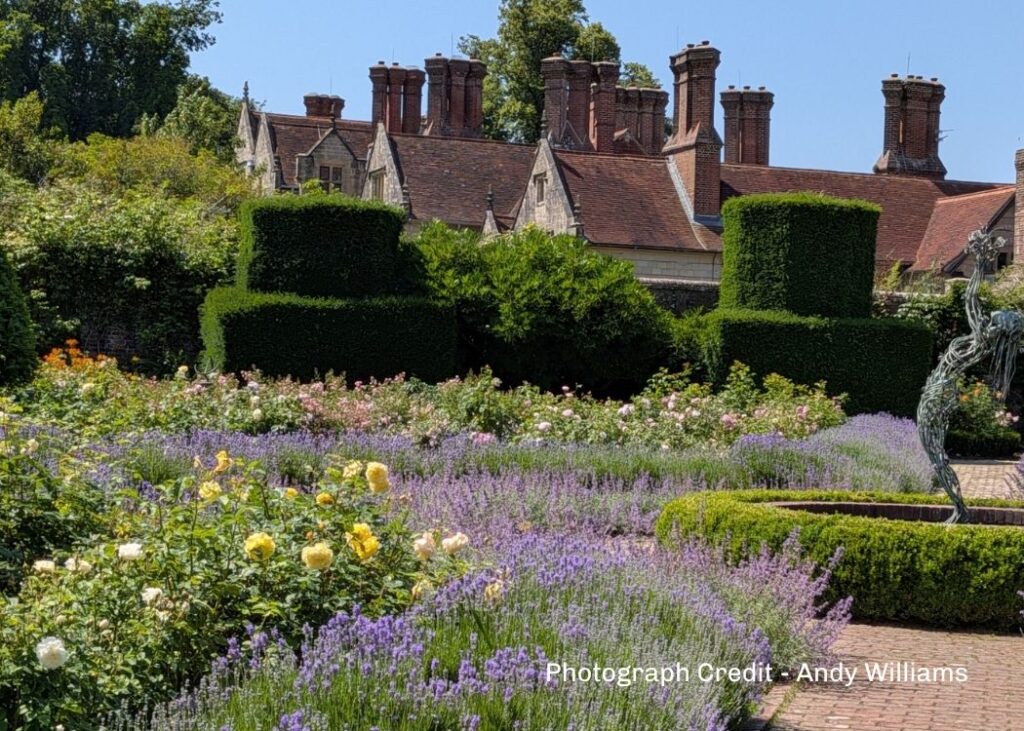
Plenty of roses are in flower now. One of the best for pollinators is our native dog rose, Rosa canina. Let it scramble through informal hedges, shrubs and trees and enjoy its pale pink flowers and delicate scent. Tough Rosa rugosa is equally popular with insects and also makes a good hedging plant.
Get the blues: long-flowering Campanula poscharskyana spreads and trails, provides good ground cover and is one of those plants that will grow in cracks in paving. The flipside of this is that it can be invasive, so keep it in a pot if you want to avoid this. Indigo-flowered Nepeta racemosa ‘Walker’s Low’ is in fact quite upright and flowers from early summer to early autumn. Some other catmints are paler in colour and flop pleasingly over pathways but all have aromatic leaves and are loved by pollinators. And the towering, stately spires of Echium pininana will grace sunny areas of the garden from mid to late summer.
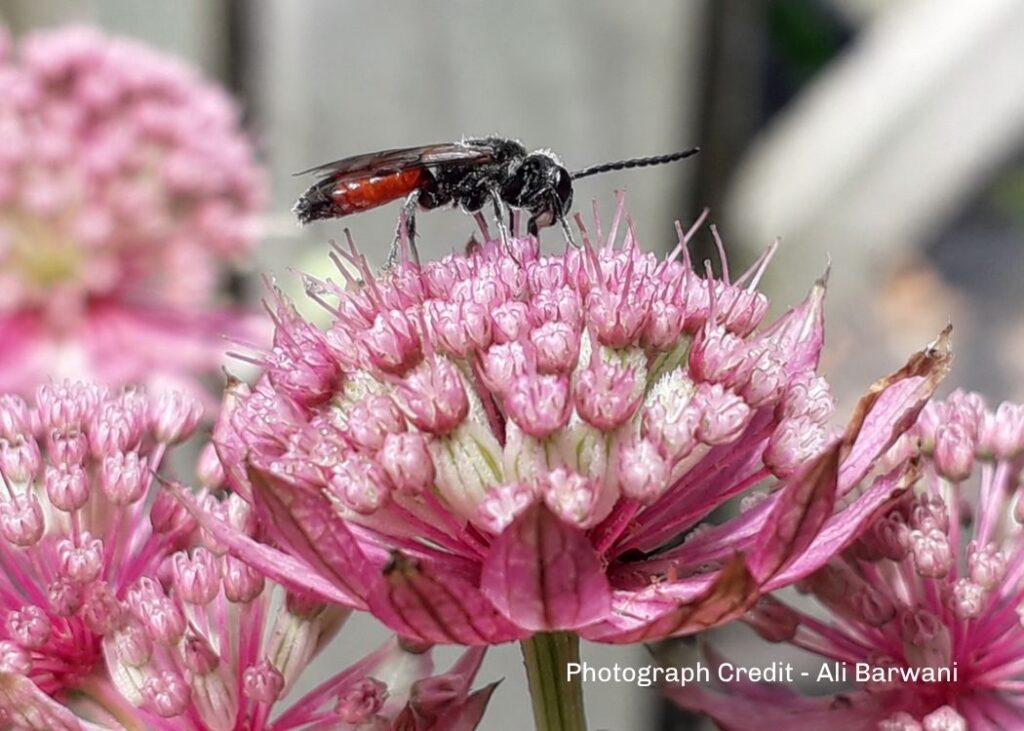
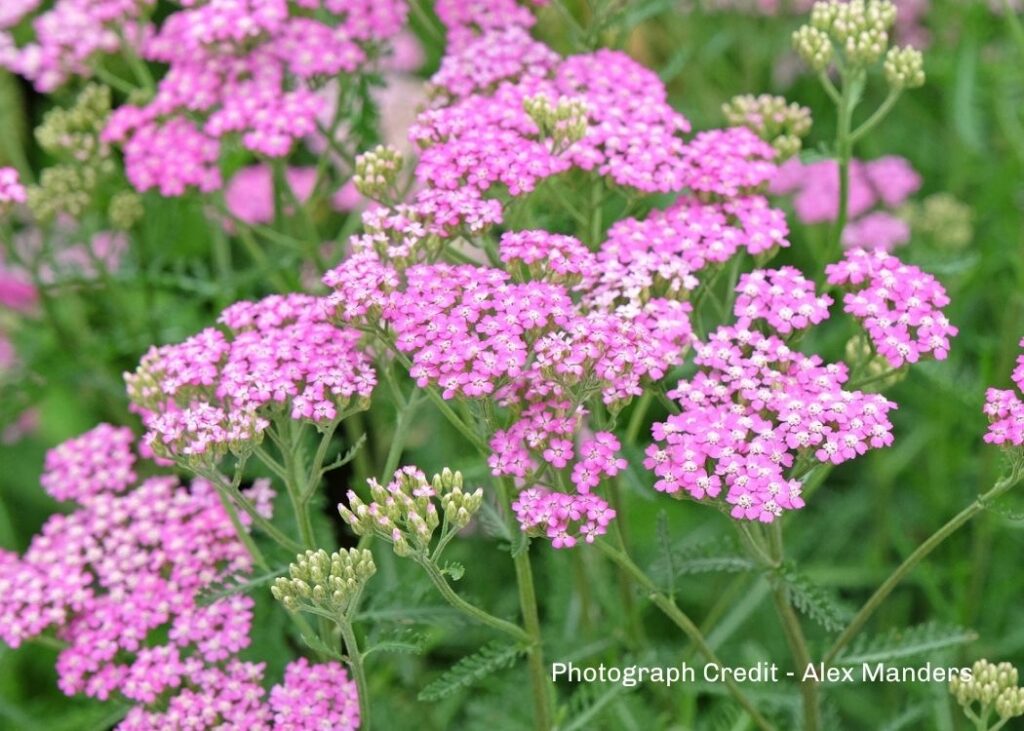
The A’s: pincushion-flowered astrantia, multi-coloured achillea and bottlebrush-like agastache should all be in bloom now.
The S’s: sweet snapdragons can flower from June to October in almost all colours of the rainbow. Also consider scabious and escallonia – a pretty evergreen shrub with pink or white flowers.
And take your pick from reliable perennial cranesbill geraniums. Garden favourite, blue ‘Rozanne’ will flower from June to early autumn, or try delicate, palest blue Geranium pratense ‘Mrs Kendal Clarke’, or candy pink Geranium ‘Max Frei’. Some geraniums also begin flowering in May, our staff will be happy to advise.
https://www.gardensillustrated.com/plants/best-hardy-geraniums/
Pink, purple, blue or white hebes are a pollinator magnet and generally begin to bloom in midsummer. However, some can flower almost all year given mild conditions and the right amount of sun.
https://www.gardenersworld.com/how-to/grow-plants/nectar-and-pollen-throughout-the-year/
Nectar knowledge
Did you know?
- Nectar isn’t just produced by flowers. Some plants, like bracken, cherry and laurel, have extrafloral nectaries, small lumps on leaves or stems which secrete the sugary liquid and are used as a source of food by bees and their fellow pollinators.
- Bees sometimes take advantage of the sugary ‘honeydew’ produced by aphids – as do other insects such as lacewings and hoverflies.
As the Woodland Trust’s Lorienne Whittle says: “Nature doesn’t really follow our calendar, it basically reacts to the weather, as we do as people.’ Some plants seem to be a couple of weeks late into bloom this year, held back by the long, cold winter. But now they’ve been given their head they’re making up for lost time and positively exploding into life. These vagaries aren’t something we can control, but choosing plants with a long flowering period should help to fill the summer gap, as will opting for plants that can be expected to flower in May and July as well as June.
The Woodland Trust is carrying out research into how the seasons are changing. The results will help monitor the effects of climate change on wildlife. You can participate here:
https://www.woodlandtrust.org.uk/visiting-woods/things-to-do/natures-calendar/