Blog
June in the Garden.

June in the Garden.
Ali Barwani celebrates the arrival of warmer days and suggests some gardening jobs to be getting on with.
‘What a strange thing to wake up to a milk-white overcast June morning! The sun is hidden by a thick cotton blanket of clouds, and the air is vapour filled and hazy with a concentration of blooming scent.’
Vera Nazarian’s description of a cloudy June morning is exactly the sort of weather we have been experiencing. Although overcast, the warmer days of June have already seen the arrival of showy flowers into the garden – the whole space seems full of roses and peonies.
Roses in June.
I associate June with roses; climber, rambler, shrub – repeat flowering or not. Roses demand that you to smell them. Today I have been enjoying two David Austin English shrub roses – ‘Molineux’, a rich-yellow flower tinged with orange, that smells sharply of green tea with musky undertones, and ‘The Mayflower’ with mid-pink flowers emitting a sweet perfume reminiscent of freshly-made Turkish delight mingling with candyfloss.
If you are looking for planting companions for your roses then you can’t go wrong with long-flowering summer perennials such as Nepeta, Salvia, hardy geraniums, and Penstemon.
Top tip for roses: dead-head your roses if they are repeat flowering types to encourage more blooms.
Garden Jobs for June.
1) Lawn care. Not all the flowers in the garden are large and blowsy. If you observed ‘No Mow May 2023’, then you will have noticed that many of the lawn grasses are now in flower with delicate inflorescences arranged as spikes, panicles, and racemes.
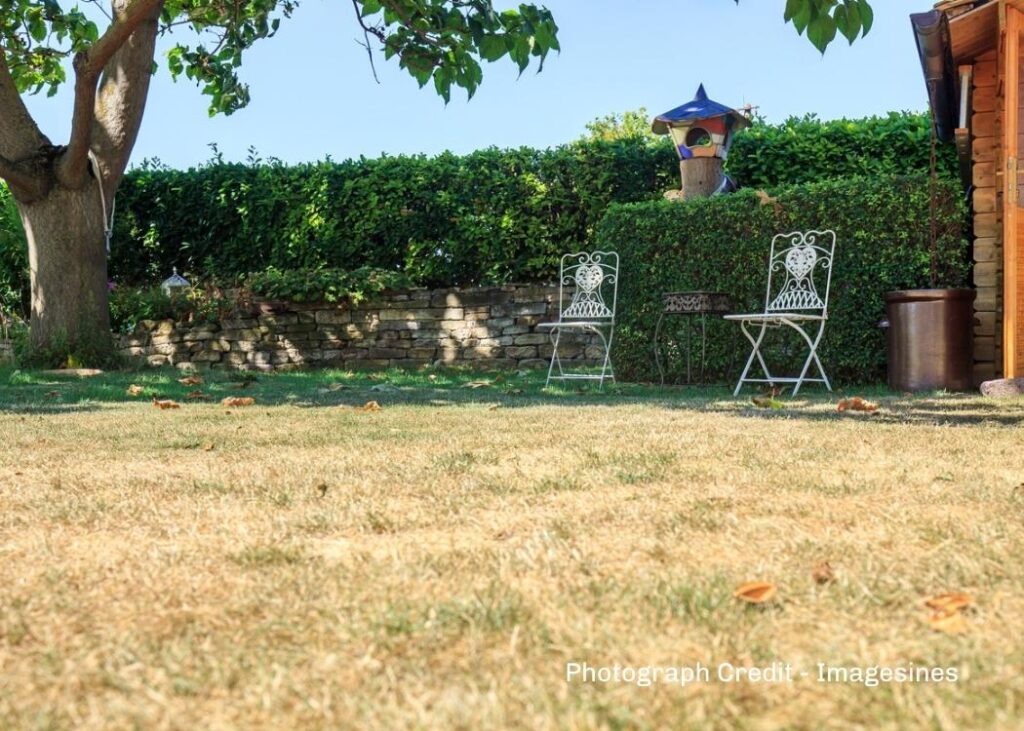
Have you started cutting your lawn? Raise the mower blades to their highest cut to reduce the stress on the grass during the dry season.
Be water-wise. Don’t water your lawn during a drought, it will quickly green-up once rain returns. Save your water for the plants that really need it.
2) Water, water, water plants in pots and containers during this dry period. Remember to water any newly planted trees and shrubs. Water the new additions to your flowerbeds and borders too. Soft fruits need plenty of water, especially those growing against fences and walls.
Watering is best done in the morning or evening, to reduce water loss by evaporation and to prevent leaf-scorch in the sun.
3) Support tall clump forming perennials such as delphiniums and rudbeckias because they can easily be damaged by strong winds or heavy rain. Large flowers on other plants, like dahlias and peonies, may require individual staking.
Better to stake your plants now than having to attempt ‘emergency-staking’ after they have flopped or been flattened.
4) Tie-in climbing plants. Some climbers such as honeysuckle, Clematis, and passionflower will twine around their supports as they grow, only requiring guidance if they start heading in the wrong direction!
Other climbers need more help, such as shrubs that you wish to train against a wall or fence, for example, Pyracantha. Gently tie them to trellis or guide-wires using soft string or rubber-coated wire.
The main stems of climbing roses should be trained horizontally to encourage a greater number of sideshoots which will grow upwards, producing more flowers.
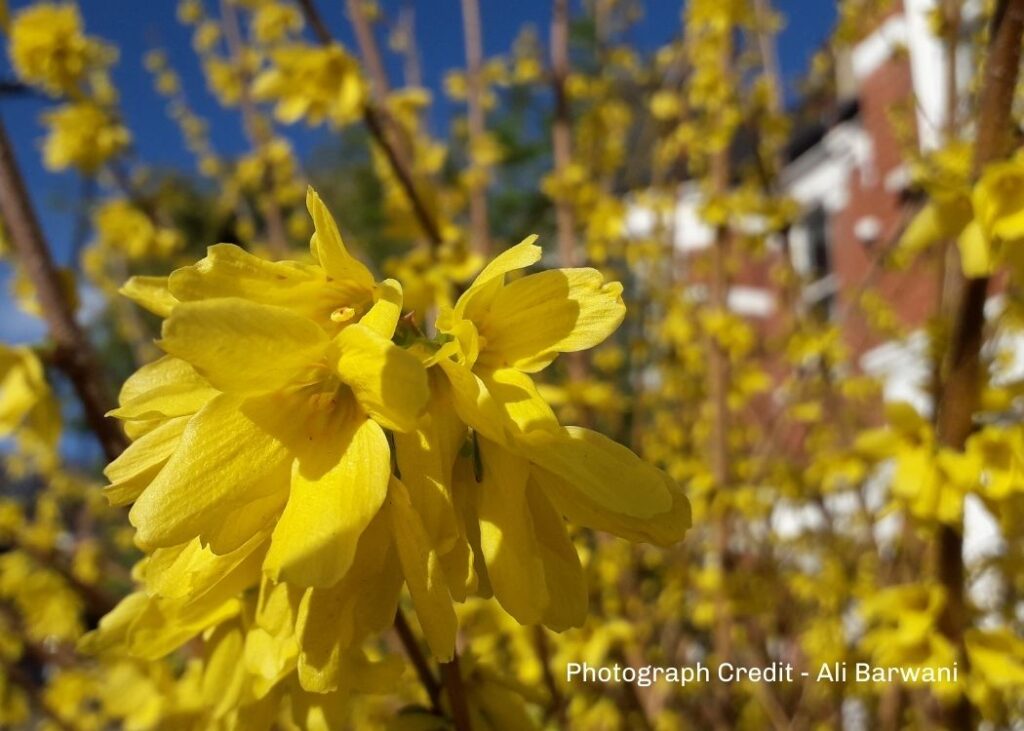
5) Prune spring flowering shrubs. Deciduous spring-flowering shrubs such as Forsythia and Chaenomeles need pruning once they’ve finished blooming to keep them compact. These shrubs flower on the previous season’s growth. If you leave pruning until later in the year, then you will risk removing some of next year’s flowering wood.
6) Start harvesting. If you followed the advice in our March 2023 blog then your first spring-sown salad crops such as lettuce and radishes should be ready for harvesting now.
When I visited my colleague Maria’s garden last weekend she kindly provided us with lunch. The lettuce for the salad was the first of the year harvested from her garden. I can honestly say that picked and served fresh, the taste was sensational compared to shop bought lettuces.
First early potatoes should soon be ready for digging up in June-July. A good sign that the tubers are ready to lift is when the potato plant flowers are open.
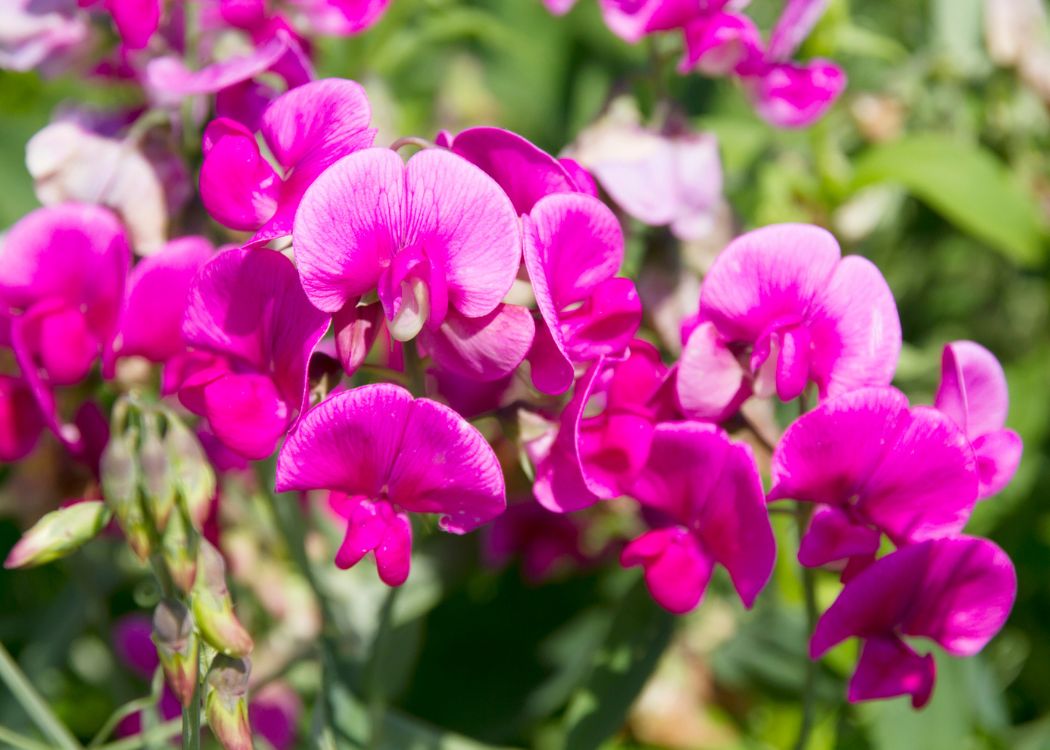
Flowers for the house are another garden crop. Pick, pick, pick your sweet pea flowers – this will keep them blooming for as long as possible. Remember to include flowers from garden shrubs in your bouquets. Philadelphus, roses, and Weigelia can all be cut for the vase.
7) Continue salad sowings of fast-growers such as rocket and salad leaves. Sowing a new line of these greens every couple of weeks will ensure you have a crop over a longer period. It also avoids producing a sinlge glut of salad you can’t make full use of.
8) Plant out tender vegetables. In other words, tender vegetable plants raised from seed indoors such as runner beans, tomatoes, marrows, and courgettes. It is best to harden the young plants off first, even in June – this means getting them acclimatized to living outdoors.
https://www.rhs.org.uk/prevention-protection/hardening-off-tender-plants
9) Feed flowering and fruiting plants. Beans, strawberries, dahlias, roses, and tomatoes are among the plants that will benefit from regular applications of a liquid plant food that is high in potassium.
10) Pinch out side-shoots on cordon tomatoes. Side-shoots appear at an angle of about 45 degrees where the fruiting leaf stem meets the upright main stem. These side-shoots won’t bear fruit, but they will take resources from the plant as they grow. So, it’s better to remove them by pinching them between the thumb and forefinger. It’s an easy job made more enjoyable by the rich tomato aroma that’s released as you work.
If you are growing a bush variety then you don’t need to remove any side shoots.
Top tip: Don’t pinch out anything until you are sure of what you are removing. Last year we had a customer come in asking why she had no fruits on her tomato vines. It turned out she had been pinching out all the flowers rather than the side shoots!
11) Take softwood cuttings. June is the perfect time of year to take cuttings from many types of plant. Softwood cuttings have a much better chance of rooting than hardwood cuttings taken later in the year. Herbaceous perennials such as penstemons and pelargoniums, and deciduous shrubs like fuchsia and can all be propagated in this way.
https://www.rhs.org.uk/propagation/softwood-cuttings
12) Slugs and snails. Slugs and snails tend to rest during dry weather, but they will quickly reappear when conditions change.
Inspect your plants regularly for signs of mollusc damage. If your plants are in pots, look under the leaves and check in the soil. Also look at the inner rims of pots, and their sides and bottoms – slugs and snails are great at hiding when they are not busy eating your precious plants.
Other pests to watch out for include aphids, spider mites and scale insects.
13) Look out for fungal diseases. Fungal problems such as powdery mildew, sooty mould, and blackspot, can become a problem at this time of the year if not spotted and dealt with quickly. Here are a few tips to prevent fungus from taking hold:
Water the compost or soil, don’t wet the foliage. Damp leaves are a breeding ground for fungal spores to germinate and take hold.
Give your plants space. Cramming plants together reduces air-circulation, which increases the risk of fungal infections taking hold.
Remove damaged plant material. Damaged leaves and stems can allow fungi to enter the plant.
Remove and dispose of any infected leaves as soon as you spot them. Remove all fallen leaves from underneath infected plants. Never compost infected plant material. This basic plant hygiene will reduce the spread of fungal spores between plants. It will also cut down on fungal spores over-wintering in the compost or soil.
Keep plants healthy and unstressed by watering and feeding them appropriately. Healthy plants are more resistant to fungal attack. But remember, over-feeding and overwatering can be just as bad, if not worse, than neglect.
Keep your tools clean. After you have used your secateurs wash them with soapy water and pat dry with kitchen paper. Allow them to thoroughly dry before closing them. If you have used cutting tools to remove infected plant material disinfect the blades with 75% proof alcohol.
14) Garden wildlife. Look after our feathered friends. Birds need access to clean water for drinking and bathing.
https://www.rspb.org.uk/birds-and-wildlife/advice/how-you-can-help-birds/birds-and-water/
A bespoke birdbath might look nice, but you can easily construct your own using a glazed plant saucer placed atop an upturned pot. Locate your birdbath in the shade if possible so that the water remains cool during the heat of the day. Placing a few large stones in the bird bath allows the birds to drink without getting wet.
Top tip: clean your birdbath out every few days to keep it safe for birds to drink from without risk of spreading disease.
And finally… enjoy your outside space.
Enjoy June! We have been indoors for too long over winter and spring. Allow yourself time to relax in the garden, balcony, or other outside space. A garden table and chairs, or a wooden bench, is an investment, allowing you to sit in comfort outside. A garden parasol gives you privacy from being overlooked as well as protection from the midday sun. Take pleasure in what you’ve achieved and remember to keep harvesting fruits, vegetables, salad crops and flowers as they occur.