Blog
Dazzling Delphiniums.


Dazzling Delphiniums.
Ali Barwani looks more closely at delphiniums, considered by some as old fashioned plants but still popular in many gardens today.
Introduction.
June is the month for towering flower spikes. Lupins, hollyhocks, foxgloves, Eremurus, and my favourite – regal delphiniums. Why have delphiniums remained popular? They add height and stunning colour to herbaceous borders, cottage, and meadow gardens. Delphiniums are wildlife friendly, helping attract bees, butterflies, and other pollinators to the garden. The flower spikes make great cut flowers, adding impact to floral arrangements.
Family ties.
Delphiniums are members of the buttercup family (Ranunculaceae). There are more than 300 species included in the genus Delphinium. Like all members of the buttercup family, delphiniums are toxic to people and animals.
Did you know?
The name delphinium derives from the Ancient Greek word for ‘dolphin’ because the opening flowers of wild forms resemble the form of the marine mammal.
A bit of history.
Delphinium species have been grown in European gardens since at least the late 16th century. Annual delphiniums and the closely related Consolida are commonly called larkspur. This name, originating in Tudor England, came about because the flowers have a long nectary sepal that resembles a lark’s claw.
Garden Delphiniums.
Garden delphiniums are horticultural hybrids created by crossing various perennial species. Garden cultivars produce tall racemes bearing large flowers, they dominate the herbaceous border in summer.
Garden delphiniums are herbaceous perennials. That means that they are non-woody plants reaching their flowering height within the year before dying back during the winter, and then reappearing in spring the following year. Being perennial means that they live for more than two years.
In spring they form compact mounds of attractive, deeply cut foliage before flowering. The hollow flowering stems can reach up to 2 metres tall and are densely packed with showy florets. The main flower spike is usually accompanied by shorter, secondary flowering spikelets. Cultivated delphiniums usually occur as semi-double or double forms with masses of extra sepals and petals.
The breeding of garden hybrids started in the 19th century in western Europe. During the 20th century horticulturalists in the United States of America, Japan and New Zealand also contributed to the improvement of garden delphiniums. The British firm of Blackmore and Langdon, founded in 1901, has been prominent in the development of the delphinium for over a century. The nursery won a gold medal at the 2023 RHS Chelsea Garden Show for its stand of delphiniums and begonias.
Watch Mary Berry discussing delphiniums, her favourite flower, at RHS Chelsea 2023, and learn about her family connection to delphiniums by clicking on the link:
https://cdn.jwplayer.com/previews/exmCbU9d
Blue is not the only colour.
There once was a Dormouse who lived in a bed
Of delphiniums (blue) and geraniums (red),
And all the day long he’d a wonderful view
Of geraniums (red) and delphiniums (blue).
A.A. Milne’s description of delphiniums, in ‘The Dormouse and the Doctor’ is delightful, but slightly inaccurate. Delphiniums are notable for their amazing blues, from blue-black through to palest duck egg. However, there is surprising colour diversity to be found among delphiniums. They can also be discovered in white, pink, lavender, lilac, violet, purple, and even red. It is not just the petals that vary in colour. The centre eyes of the flowers can be either dark or white and are known as ‘bees’.
Garden hybrids.
The naming of garden delphiniums is complicated with many crosses and hybrid varieties. There are three main garden hybrid groups:
1) Elatum group delphiniums.
This popular group was developed by breeding from the wild species, Delphinium elatum, a plant found growing in the mountains of central Europe and to the east. They are tall, reliable, and hardy. As well as the classic blue, they come in pink, purple, white, and cream forms. Even the renowned prairie garden designer Piet Oudolf has been won over by the charms of the elatum group, including them in his planting lists because they make such an important contribution to the natural beauty of a garden.
2) Pacific group delphiniums.
Developed by horticulturalists in California in the 1950s and ‘60s, and also known as ‘Pacific Giants’. They are showy and impressive with large flowers densely packed on tall spikes. The flowers are typically found in shades of rich blue, from pale to dark. Their foliage is a rich green.
I have found that slugs and snails generally ignore the Pacific Giant delphiniums.
3) Belladonna group delphiniums.
A more delicate, natural looking plant. Its cupped blooms are carried more loosely on branched racemes. They look great in less formal plantings, for example meadow gardens.
Cultivation.
Delphiniums have reputation for being difficult to cultivate. However, with some care and attention they can be successfully grown by most gardeners. They require a fertile, well-drained soil in a sunny position.
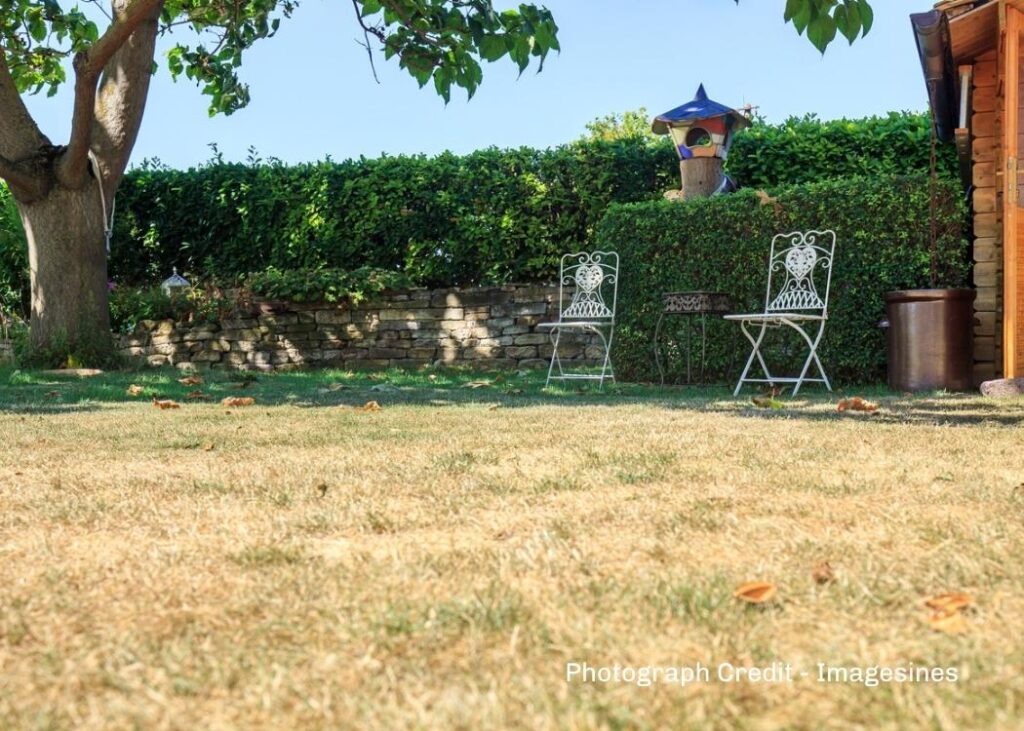
Delphiniums are prone to powdery mildew and slug damage. Regular watering during dry periods, such as the one we have been experiencing, is essential to prevent them contracting powdery mildew. Free airflow around the plants is also important in preventing this fungal disease. Making sure delphiniums have open ground around them also helps you spot any marauding molluscs A thick scatter of shell-sand on the soil around the clumps also help deter slugs and snails.
Plant delphiniums in a sheltered position, such as the back of a border by a wall or fence, to offer them protection from strong winds. They require staking before the flower spike grows tall.
Remove the flower spikes once they have finished flowering. This will help initiate a second flush of flowers in September. In late autumn any remaining stalks should be cut down to the ground.
Delphinium plants require regular rejuvenation, or they will start to decline. This is achieved by digging up and splitting stablished clump in spring every few years. Replant only the healthiest portions in manure enriched soil.
Delphiniums look good against other summer flowering herbaceous perennials such as Achillea, Campanula lactiflora, irises, hardy geraniums, Hemerocallis, and Aconitum. However, don’t plant anything too close to your delphiniums because they will provide cover for slugs and snails.
Growing from seed.
You can raise your own delphiniums from seed, but the seedlings will exhibit a lot of variability compared to the parent.
Delphinium seeds need a bit of help to germinate. Use your fridge to cold stratify the seeds prior to sowing – this will give you a higher success rate.
https://www.theguardian.com/lifeandstyle/2016/dec/10/alys-fowler-seed-stratification
Taking cuttings.
Named cultivars can be propagated vegetatively from cuttings. This method ensures the offspring are identical to the parent. Micropropagation is used for large-scale commercial production.
https://horticulture.co.uk/delphinium/cuttings/
In conclusion.
Delphiniums are a large group of flowering plants exhibiting diversity in size and hue. Garden delphiniums should not just be limited to traditional herbaceous borders, they can inject drama and colour into any garden. Flowering during June, July, and August they add presence due to their height, colour, and floriferousness.
I am not alone in my affection for this stately plant. Did you know that delphiniums are officially King Charles’ favourite flower? The green-fingered monarch shared his thoughts about this flower on the Royal Family twitter account, stating,
‘For me, the magnificent, gloriously apparelled delphinium, with its impeccable bearing and massed in platoons, holds pride of place in my botanical affections’.
So, if you have a sunny area of your garden that needs zhuzhing up for summer why not consider planting some delphiniums?