

Blog
January in the Garden.

Ali Barwani takes a look at a few garden jobs you could be doing right now to ensure you are ready for the soon to arrive start of the new growing season.
January in the Garden.
Hello, and happy new year from all of us at Capital Gardens!
As we begin 2023, we can’t help but feel excited about the fresh opportunities the new year brings to observe the seasons changing with you. Whether you’re embarking on your first horticultural foray or are a seasoned gardener with green fingers and thumbs, there is always something new to learn or do in the world of plants. So, please be sure to follow our blogs and social media posts where we will be sharing inspirational photographs and good advice to help you get the best from your garden.
So, let’s get started!
The Winter Garden.
January is often the coldest month of the year; especially if you live in or around London! We might be deep in winter, but the days are already starting to lengthen, and some plants are starting to awaken from their slumber. The buds on the sycamore trees lining the railway tracks on my way to work are already plump and pistachio green, and the Forsythia hedge that forms the boundary around the local church has recently developed a sang-de-boeuf tone to the tips of its otherwise dead looking stems, and here and there occasional precocious, yellow flowers have broken out.
Margery Fish, the influential gardener and garden writer of the 1950s and 60s said that ‘I don’t think any garden can be considered a success if it doesn’t look pleasant in winter’. I don’t think this is a fair judgement to make as not everyone wants to venture into the garden in winter. However, I do agree with her that there are many lovely winter flowering plants you will miss seeing if you don’t garden in winter. See the list of winter flowering plants at the end of this blog.
For those dreadful wet days when the weather prevents even the most dedicated gardener going out, what can we get on with inside?
Five Indoor Jobs:
1) January is a great time for reflection, think about the successes and failures in your garden during the last year, and use this information to plan for the coming year. Draw up a list of your gardening aims for 2023
2) Looking for a rewarding New Year’s resolution? then why not start a gardening journal where you can chart the highs and lows of your coming horticultural adventures? Whether it’s recorded in a luxurious notebook, online or on an app – journal keeping is interesting and rewarding.
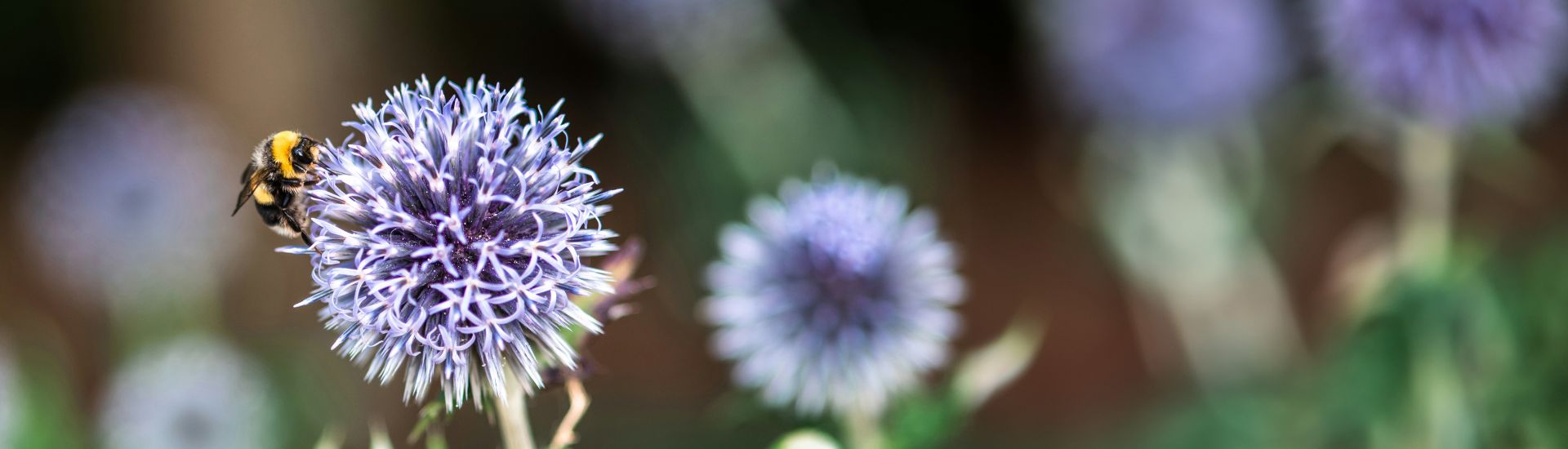
I like to add wildlife observations to mine, such as the birds that come to visit my garden, the flowers that the bees love best, and first sighting of various butterfly species. If you keep a garden journal you will find it invaluable in future years when you are planning your gardening activities.
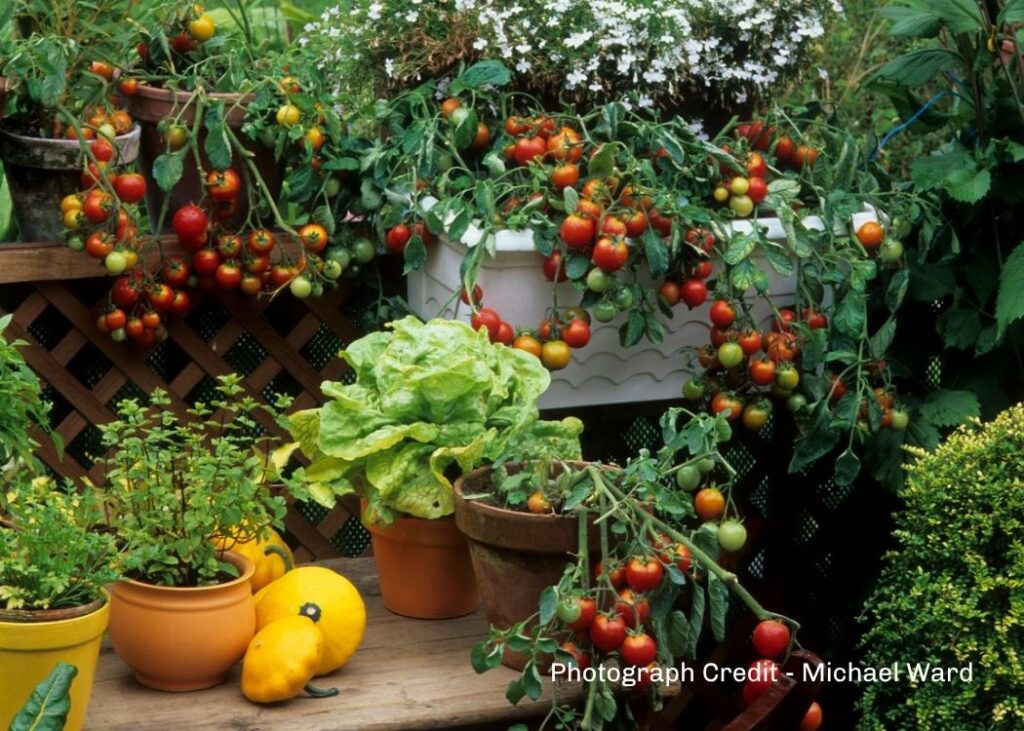
3) Now is a good time to visit your local garden centre to select the seeds you want to grow during the coming year. Why not consider growing something unusual this year? – everyone needs a challenge!
If you have never sown seeds before, then I can promise you it is one of the most rewarding activities you can do. To learn more about growing plants from seed read our blog:
https://www.capitalgardens.co.uk/blog/vegetable-seeds-you-can-start-sowing-now/
Sweet peas can be started off indoors in January if you missed making an autumn sowing. Place the pots on sunny windowsill where they will receive plenty of light.
January is also the time to stock up on essential gardening items that you will need later in the year such as seed pots, garden wire, string, and bamboo canes.
4) Now is the time to empty and clean last year’s used pots, seed trays and propagators ready for use. Starting with clean pots and trays will increase your success rate when sowing seeds because it removes many pests and diseases that lurk in used pots.
5) Give your houseplants some winter care. It is important to check regularly for pests like aphids, thrips, scale insects and mealybugs that thrive and breed in our cosy home conditions.
Four Basic Outdoor Jobs:
Even if you hate going outdoors in winter there are four jobs I think every gardener should do:
1) The most important one is to enjoy the fresh air on sunny days. Not every January day is grey and wet. So, if the weather is fine wrap up well and go out in the garden, don’t risk miss seeing the first spring bulbs poking their noses out of the soil! Why not walk around your local neighbourhood and see which plants are in flower now? – You can enter the names with photographs or drawings into your new garden journal for future reference!
2) In winter there are always little jobs to do, such as sweeping up leaves and twigs, checking your winter protection for delicate plants is still in place, and picking up any pots that have blown over.
3) Keep your winter bedding tubs and window boxes looking tidy by cutting back any dead leaves and removing blown-in debris. Regularly dead-head pansies and violas and other flowering to encourage them to keep flowering, and to minimize rot risk.
If any of your winter bedding plants have succumbed to the cold and snow we had just before Christmas dig them out and replace them. I lost most of the cyclamen in my planters following the snow, and I have replaced them with cheerful pastel blue violas, which although delicate looking are tough.
4) Winter is a tough time for wildlife, so regularly go out in the garden to provide food and clean water for the birds.
If you don’t mind spending time outside in the winter months, then here are some more jobs for January:
Five Additional Jobs:
1) If the cold and snow that hit us before Christmas has left some of your evergreen shrubs looking damaged and weak don’t give up on them. Damaged or dead stems can be pruned away, but in general it is best to wait until spring to see if new shoots and buds emerge before thinking about replacing any damaged shrubs.
Cordylines have been particularly hard-hit by the cold and wet this winter. We have already had several customers asking for advice about their damaged cordyline plants. If the heart of your plant has rotted and the stem is now drooping and mushy the chances are it is lost. However, if the centre of the plant still feels firm then I would advise cutting back the dead foliage and hoping for the best. Finally, if the head is soft, but the stem feels firm lower down, then I would remove the head along with any soft section of the stem and hope for new shoots to emerge in spring.
2) Prune free standing apple and pear trees. This is an important job that can be done from now until the start of March. Pruning your fruit trees in winter will ensure a good cycle of fruiting wood.
Learn how to prune a fruit tree:
https://www.rhs.org.uk/fruit/apples/winter-pruning
3) Disperse worm casts on lawns. Earthworms are the gardener’s friend. Worm casts on the lawn are a useful resource and can be spread over the lawn using a besom or the underside of a wire rake.
To learn more about the role of earthworms in the garden:
https://www.capitalgardens.co.uk/blog/why-gardeners-should-love-earthworms/
4) Sow seeds that require frost in order to germinate. Many British native tree and shrub seeds, and alpine plants need cold stratification to break their dormancy before gemination can occur.
5) Look out for Hellebore leaf spot which can be a problem on the old foliage of hellebores, remove any old leaves showing dark spots or blotches, and bin them to control this fungal disease. Cutting off old leaves of hellebores that produce their flowers at ground level also helps show the flowers to their best advantage.
In Conclusion:
Spending time outside working in the garden can be a very positive mood-booster during the winter months. Not only is it therapeutic, but it can also be fun, even when the ground is frosty – as long as you are warmly dressed! If you are going back out into the garden this weekend why not let us know what jobs you are doing by tagging us on Instagram?
Some flowering plants to look out for in January:
Camellia – Many of the earliest flowering varieties are in the Sasanqua group.
Chimonanthus praecox – one of my favourite deciduous winter flowering shrubs. The yellow waxy flowers produce a fragrance that is rich and spicy, and a posy vase full of short stems can scent a room.
Daphne bhoula ‘Jacqueline Postill – one of the finest scented winter flowering shrubs.
Hamamelis x intermedia – large winter flowering shrubs that are better know as witch hazel. As well as the traditional yellow flowered forms there are also red and orange hybrids. Their delicate scent is best sampled on sunny days. They seem late to come into flower this year, so you may need to wait till the end of January to enjoy the full effect!
Lonicera fragrantissima – better known as winter honeysuckle. A messy bush, but the bare stems produce plentiful citrus scented flowers in December and January.
Mahonia x media – produces long spikes of yellow, lightly scented flowers.
Viburnum x bodnantense – a deciduous shrub that carries fragrant flowers on bare stems. The flowers are pink in bud, opening to white.
Viburnum tinus – an evergreen Viburnum with deep pink buds that open to blush-white scented flowers. ‘Eve Price’ is a compact form suitable for the smaller garden.
Sarcococca – The various species and forms are evergreen and have attractive foliage. But their well-hidden surprise are the tiny cream flowers that produce a powerful sweet scent on sunny days.
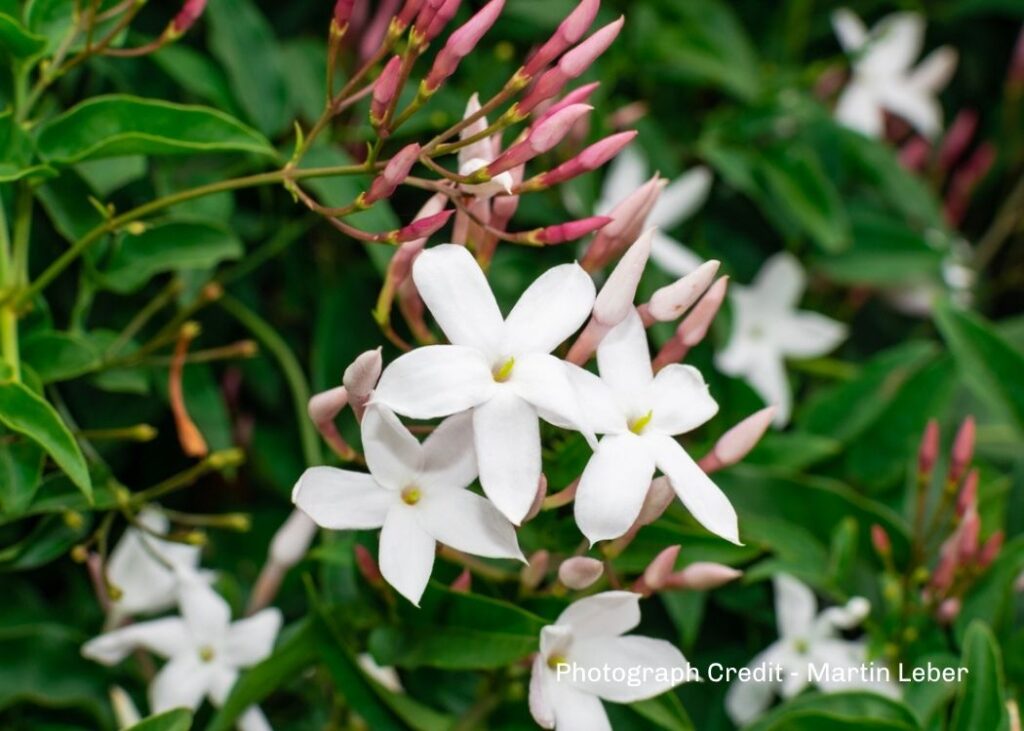
Winter jasmine (Jasminum nudiflorum) – produces masses of bright yellow flowers on slender stems. It is already flowering now and will continue to do so into spring. Although it lacks scent winter jasmine is still popular with foraging insects.
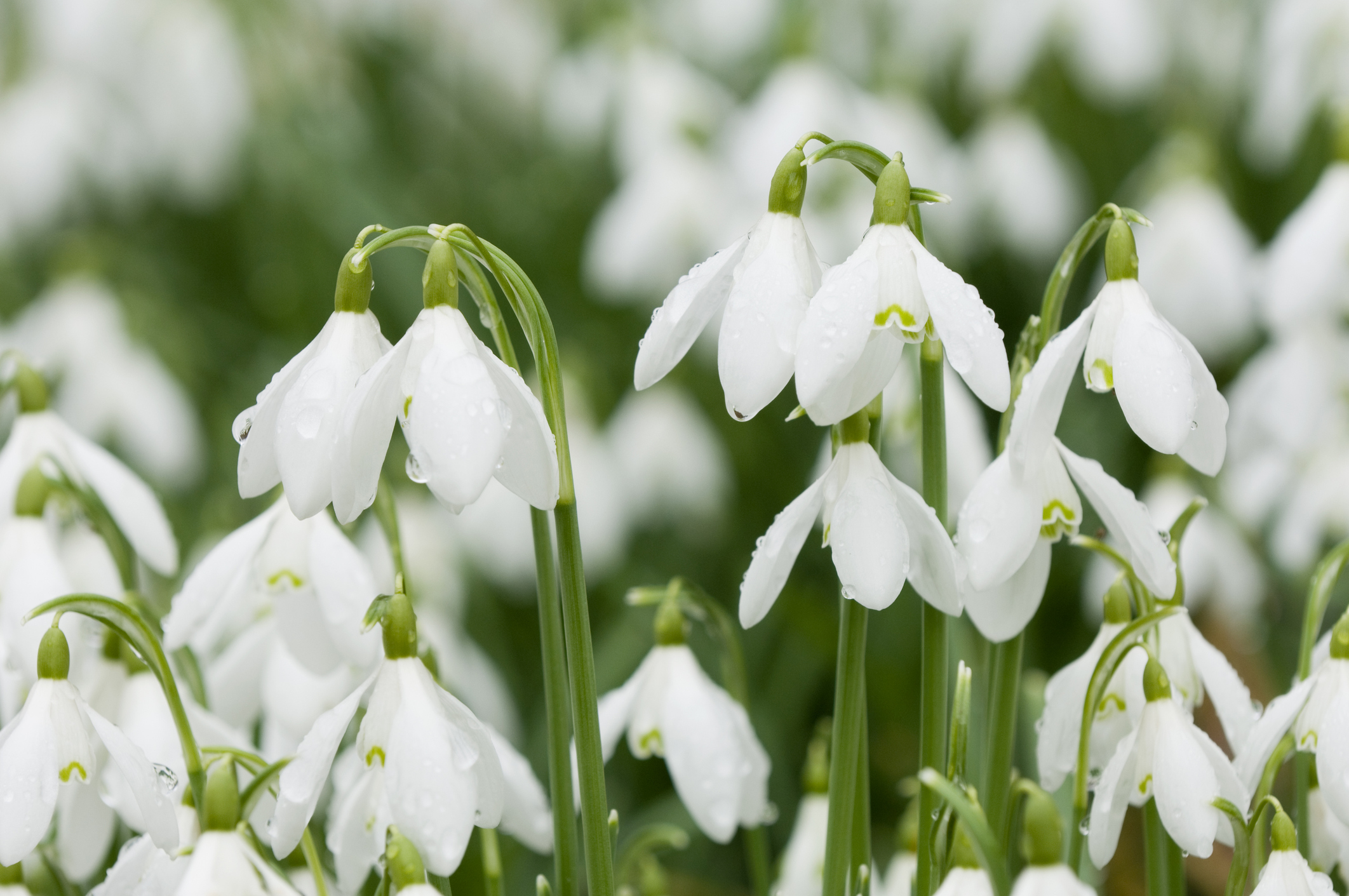
In addition to these shrubs, spring flowering bulbs are starting to appear. Some early flowering snowdrops and daffodil species are already in flower in my garden. Purple flowering Crocus tomasianus is the most reliable of the early flowering crocuses, and the one you are most likely to encounter flowering now.
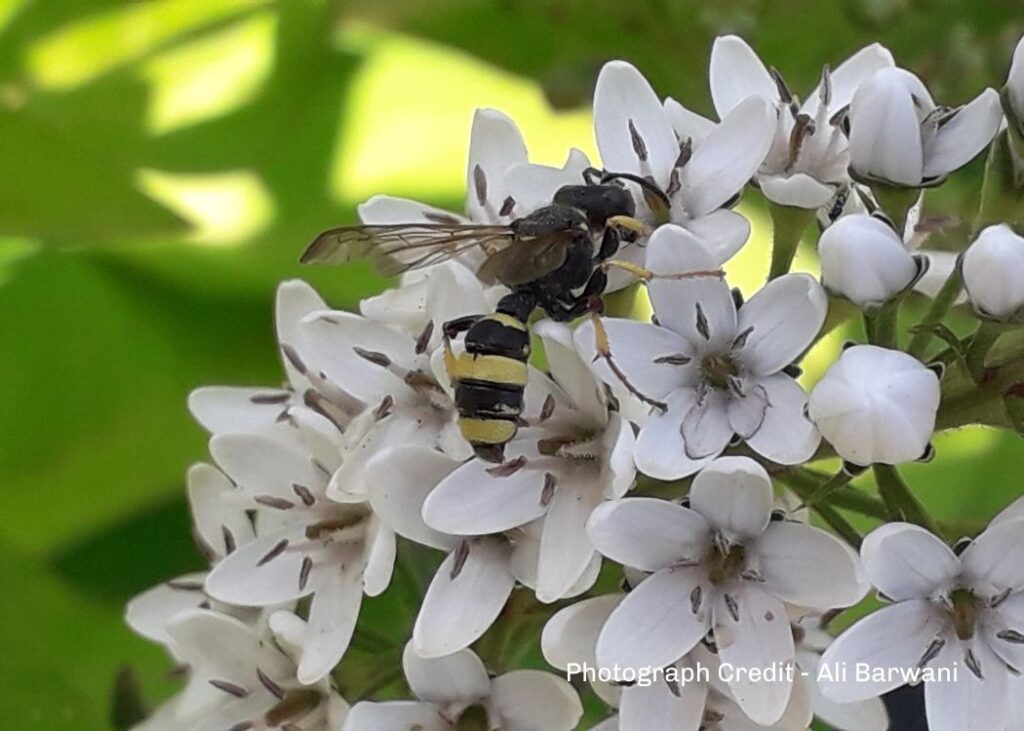







For the past seven years I have kept a pressed flower Journal of the various flowers in my garden. Usually a combination of seed grown annuals/perennials and your garden centre bulbs/summer bedding flowers. I am a flower gardener. I have tried growing strawberries. Otherwise I haven’t grown any other fruit or any vegetables. I learnt long ago from my father, a keen amateur gardener and RHS show exhibitor of flowers, to concentrate on the things that you love the most and all I saw in our garden as a child were row upon row of flowers all taller than me.
I have two Summers with gaps in my Journal. The first in 2018, where the start of a heat wave and then drought from early June meant everything died before getting established. And the second last Summer, when although I had new compost in my patio pots, I had a black fungus in all of the pressed flowers. I have thrown out all the old press papers and boards and made new ones, and disinfected the press frame. Hopefully things will be back to normal this year.
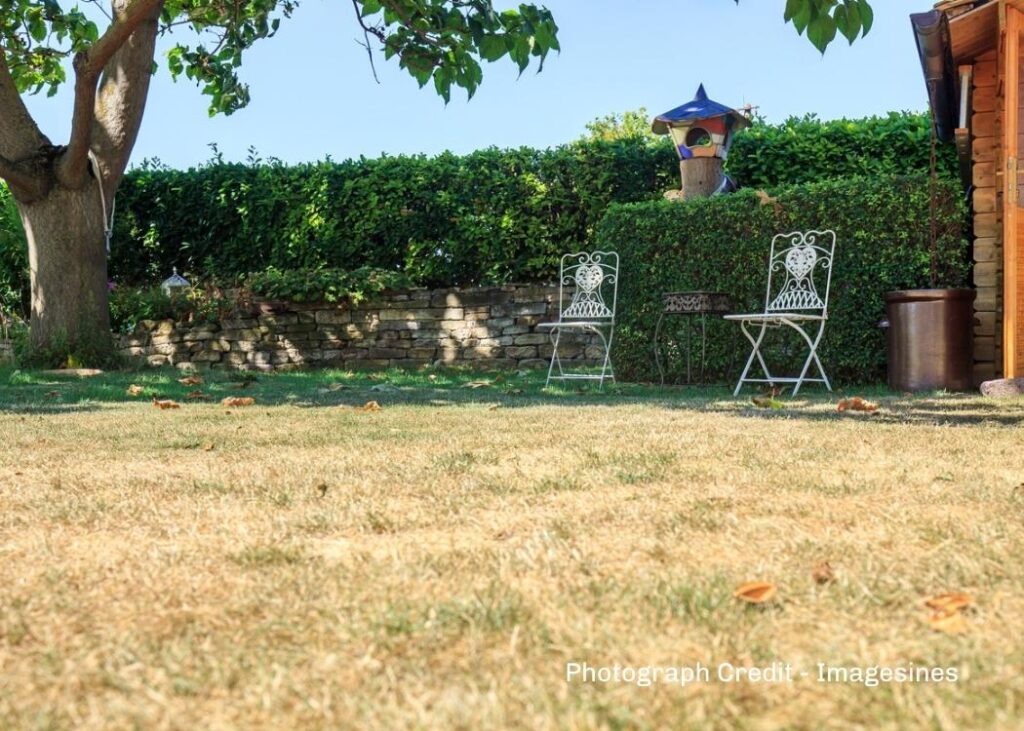
Today I raked moss from the front South-facing lawn again. I did this last Autumn, and because there are large patches where the lawn died in last Summer’s heatwave, the moss keeps returning. I know it isn’t the right
time to sow lawn seed, but I did today, in the hope that these patches grow over and the moss areas decrease. I spend a lot of time on keeping my lawns hand-weeded, mown, edged and fed during the Spring/Summer/Autumn.
I have kept my lawns like this in all of the gardens that I have had, but I think things are changing very rapidly in the garden now, and I am not sure lawns will be possible to keep at all soon.