

Blog
Garden jobs for November and December

Garden jobs for November and December
It’s been a funny old year, 2022. A baking hot, extraordinarily dry summer followed by an unusually warm autumn with some absolutely pelting with rain at the beginning of November.
The peculiar weather means that the gardening calendar has become even more flexible. So it’s advisable to use your common sense and adapt your gardening jobs accordingly. For example, if your climbing rose is still in flower, you may want to wait a while before pruning it.
Planting and propagating
Plant tulips and other bulbs:
November is peak tulip planting time. It’s also your last chance to plant early spring bulbs in pots, beds and borders. Daffodils, crocus and snake’s head fritillaries also look beautiful naturalised in lawns or meadow areas.
As a general rule, bulbs should be planted at three times their depth. If you’re planting lots you may want to invest in a bulb planter – it makes the job significantly easier. When naturalising in grass, scatter the bulbs over the area you’ve chosen and plant them where they fall, replacing the soil and turf on top. Your planting will look much more unstructured and organic when the flowers emerge.
Take cuttings:
It may sound strange, but November and December, when growth is slowing down or has stopped, are good months to take both hardwood and root cuttings. Hardwood cuttings are taken from deciduous shrubs, trees and climbers, while root cuttings can be used to propagate certain herbaceous perennials, for example acanthus, verbascum and oriental poppies, during dormancy. You can find out how to do both here:
www.rhs.org.uk/propagation/hardwood-cuttings
www.rhs.org.uk/propagation/root-cuttings
Harvesting
Harvest winter veg:
It’s brassica time! Not everyone’s favourite, but if they’re your cup of tea, cabbages, cauliflower, kale and sprouts are all coming into their own. The last of the carrots and swedes will be ready to harvest and celeriac is entering its peak season.
Chopping back
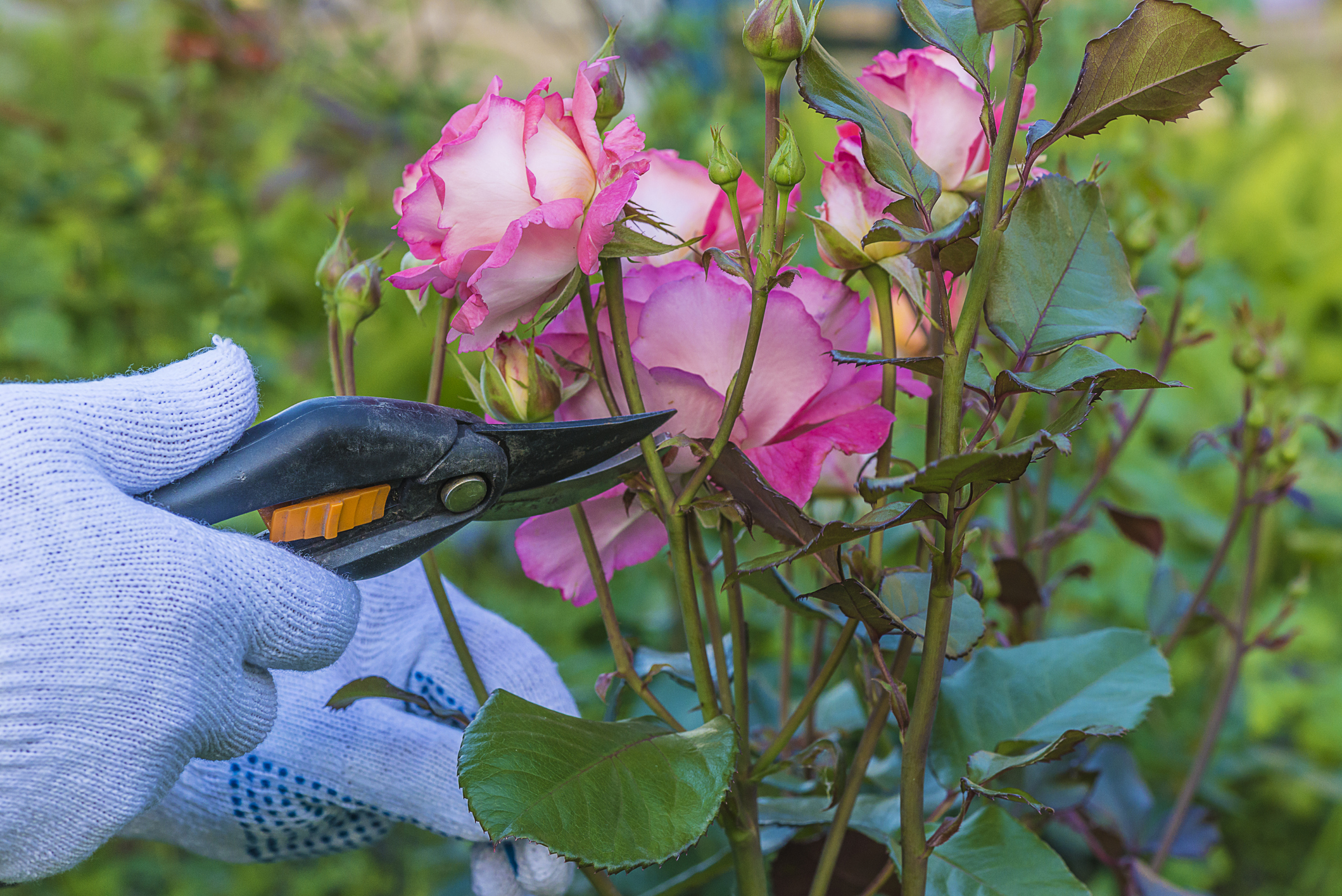
Prune roses:
Rose pruning is a potentially complicated procedure but it can also be relatively simple if you choose to make it so! Most roses, except ramblers, can be pruned in the cold season while they’re dormant. Normally this is between November and February. It’s particularly important to prune climbing roses to keep them to a manageable size. They shoot upwards and outwards amazingly quickly over a long summer so it’s best to cut them back every year to avoid having to mount extendable ladders to access them. Unless you enjoy doing that sort of thing of course!
www.gardenersworld.com/how-to/grow-plants/how-to-prune-a-climbing-rose/
Cut back hardy herbaceous perennials:
As a general rule cut back to one or two inches above ground level once flowering is over, being careful not to damage the crown of the plant. If they’ve already started to sprout new shoots from the bottom, cut above these, being careful not to damage them. Leaving some stems with seedheads on provides winter interest as well as food and shelter for wildlife.
Prune apple and pear trees:
Winter, once the leaves have fallen and the trees have become dormant, is the primary pruning period for apples and pears. It allows you to manage their size and shape, cut out any dead or diseased wood and encourage fruiting. Don’t be tempted to prune your plum trees though. This should be done in spring to avoid silver leaf disease.
www.rhs.org.uk/fruit/apples/pruning-made-easy
Maintenance
Protect tender plants before the first frosts:
In sheltered spots or milder areas, tender bulbous plants like dahlias and gladioli should survive the winter in the ground as long as the soil is free-draining. Just protect them with a thick layer of mulch. In cold and exposed gardens or those with very heavy soil, they should be lifted and stored in a cool, dark place in paper bags or in trays of bark chippings, dry compost or sand. Once they’ve finished flowering, cut off the stems and then allow the bulb or corm to dry first. Check periodically over winter to make sure they’re not shrivelling or rotting. If they are looking wrinkly, spray lightly with a little water. But if any have become soft or mouldy, remove them.
Potted plants can stay in their pots, just move them to the house wall where they’ll be more sheltered. Clustering them together will provide additional insulation. And raising the pots up on feet will help to stop plants from getting waterlogged and porous ceramic and terracotta pots from cracking. If it’s going to be really cold, wrap in horticultural fleece or sacking.
Your plants won’t need much water but if the weather is very dry test the compost by inserting your finger an inch or inch and a half into the compost. If it feels dry at this depth, give them a bit of a drink. It’s worth pointing out that if they’re next to the house they may be in a rain shadow so will dry out more quickly.
Large tender or half-hardy garden plants such as canna lilies, the banana plant Musa basjoo and tree ferns will need protection too. Insulate them from the cold with hessian, horticultural fleece or straw. The process differs with the plant and some like their foliage to be cut back while some prefer to keep it over winter. So use your chosen search engine, check in a gardening book or ask at your local Capital Gardens for details.
Mulch bare soil around the base of plants. This adds nutrients which will work their way into the soil over winter and offers additional protection to hardy plants.
Gather fallen leaves:
Leaf litter is full of nutrients. Pile it up in an enclosure of chicken wire or a bin bag punctured with holes and leave it to break down for later use. But leave a few heaps where they’ve fallen for wildlife to overwinter in.
Put cloches or mini polytunnels over winter salad crops to stop them being battered by rain and hail and protect from the cold.
Insulate outdoor taps and pipes to prevent freezing.
Net brassicas to save them from pigeons.
Wildlife tasks
This year there seems to be an abundance of enormous acorns, clattering down slightly alarmingly (have you ever been hit on the head by a plummeting acorn? It’s a bit of a shock and surprisingly painful!) They’re lying so thickly on the ground in places that it’s like walking over a layer of gravel. A walk in the woods reveals beech and chestnuts aplenty and berries are hanging in particularly heavy clusters too.
This is good news for wildlife, as it means there’s plenty of food around for some creatures. But it’s still important to provide for garden visitors.
- Keep feeders clean and topped up.
- Top up bird baths and break any ice in the mornings.
- Avoid turning compost heaps – they may be sheltering hedgehogs, amphibians and reptiles.
Some plants are indulging in an extended season this year. I’ve seen roses, Choisya ternata and hardy fuschias still in full bloom. Some, like the horse chestnut currently in flower in London, have lost the plot completely. And who knows how long the autumn bloomers like late salvias, dahlias and Japanese anemones will go on for?
As climate change continues, our gardens will change too. Sometimes trees and other plants may go into emergency mode, shedding leaves to conserve water, and producing more seeds (in the form of nuts and fruit) than usual in an effort to pass on their genetic material before they die. On the other hand, some trees with deep roots, like oaks, may hold on to leaves for longer than usual because of unseasonal warmth. All this will have an impact on our gardening practices. There will always be plenty to do in November and December but the tasks may change from year to year.



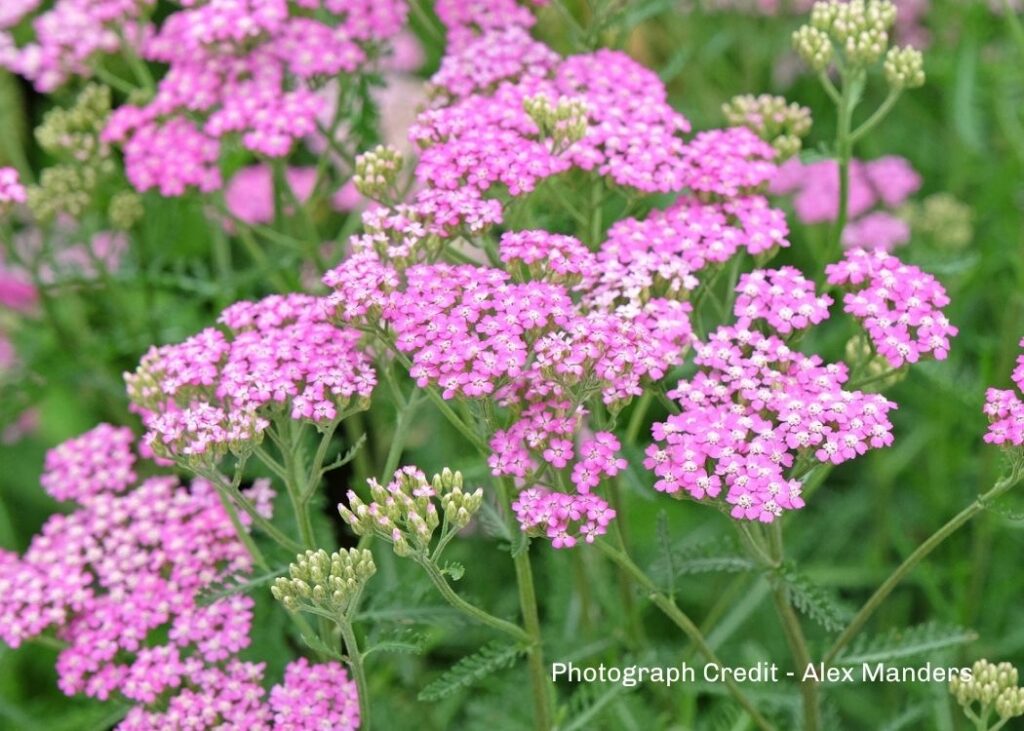

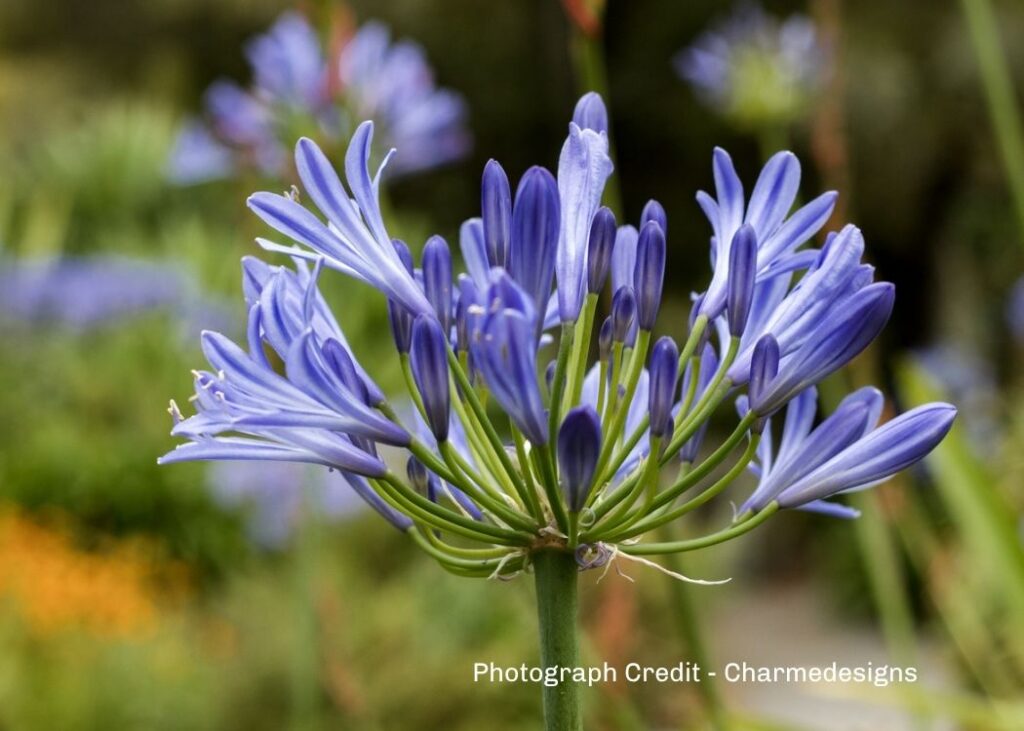

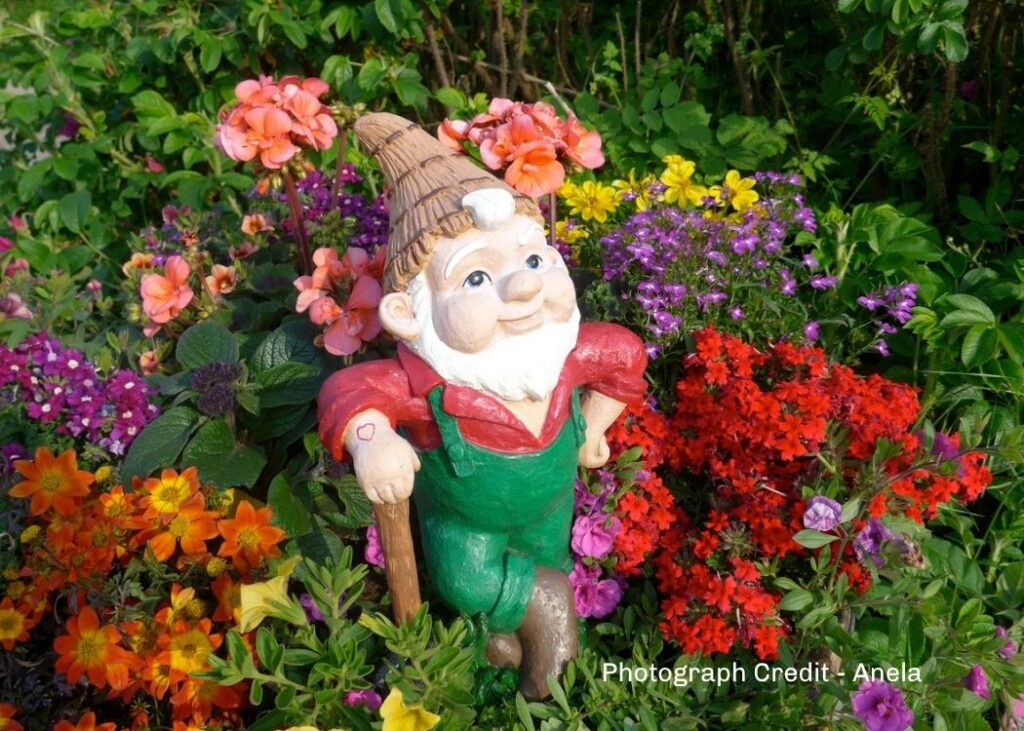
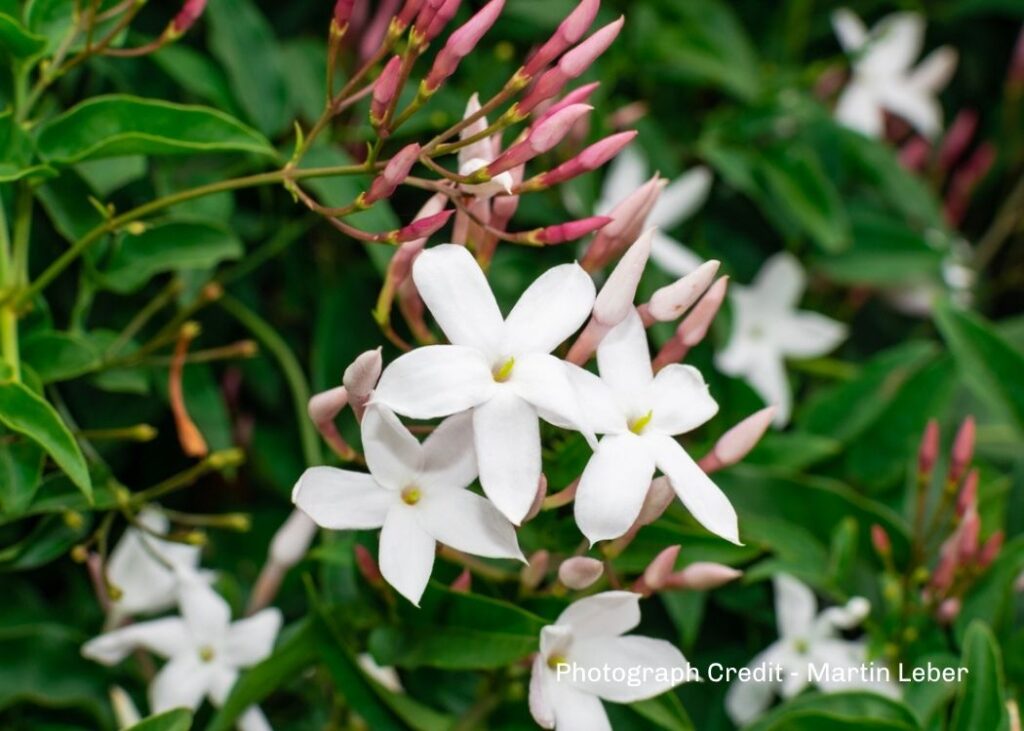




Yes, it’s the time to plant daffodils and tulips – but the geraniums and begonias are still blooming away merrily in the troughs that I want to plant the bulbs in. A shame to cut short the lives of the still colourful blooms!
Thank you for that blog Andy . I found very useful and informative .