Blog
Eight ways to help garden wildlife in winter

Eight ways to help garden wildlife in winter
We know that our wildlife is, unfortunately, in decline. But there are good news stories too. Although hedgehogs and starlings are in trouble, blackcaps, long-tailed tits and goldfinches are on the up and some of this positive news is because of the help they get in our gardens. In winter, many creatures hibernate or go into a state of torpor. Hedgehogs, butterflies, queen bumblebees, ladybirds, frogs, toads and newts all spend much of their time asleep. But some may emerge on warm days, or if fat reserves are running low, searching for food. And other creatures, such as birds, remain active.
The key to understanding how to help wildlife in winter is knowing what measures creatures take themselves and using that to provide valuable extra resources. Bumblebees, for example, hide in holes in the ground or in piles of leaves. Ladybirds, lacewings and other insects shelter in nooks and crannies or under bark in log piles. Caterpillars squirrel themselves away in piles of leaves or loose soil. And amphibians like newts, toads and frogs either chill out in the mud at the bottom of ponds or under stones and log and leaf piles.
So how can we help?
The first and most obvious way is to keep providing food and water.
Birds need calorie-rich food at this time of year to help them keep warm. Protein and fat are both necessary, so keep bird feeders topped up with fat balls, sunflower seeds and peanuts. They need a drink too and bathing is just as important in winter as in summer; well-maintained feathers help to insulate and keep them warm.
Maintenance matters. Don’t forget to wash feeders with hot soapy water or disinfectant, rinse thoroughly and allow them to dry. This should be done at least every couple of weeks to help prevent the spread of nasty, and sometimes fatal, diseases. Break the ice on bird baths, especially if natural sources of water such as puddles are frozen. And siting baths in the sunniest part of the garden or floating a ping pong ball on surfaces may help prevent freezing in the first place.
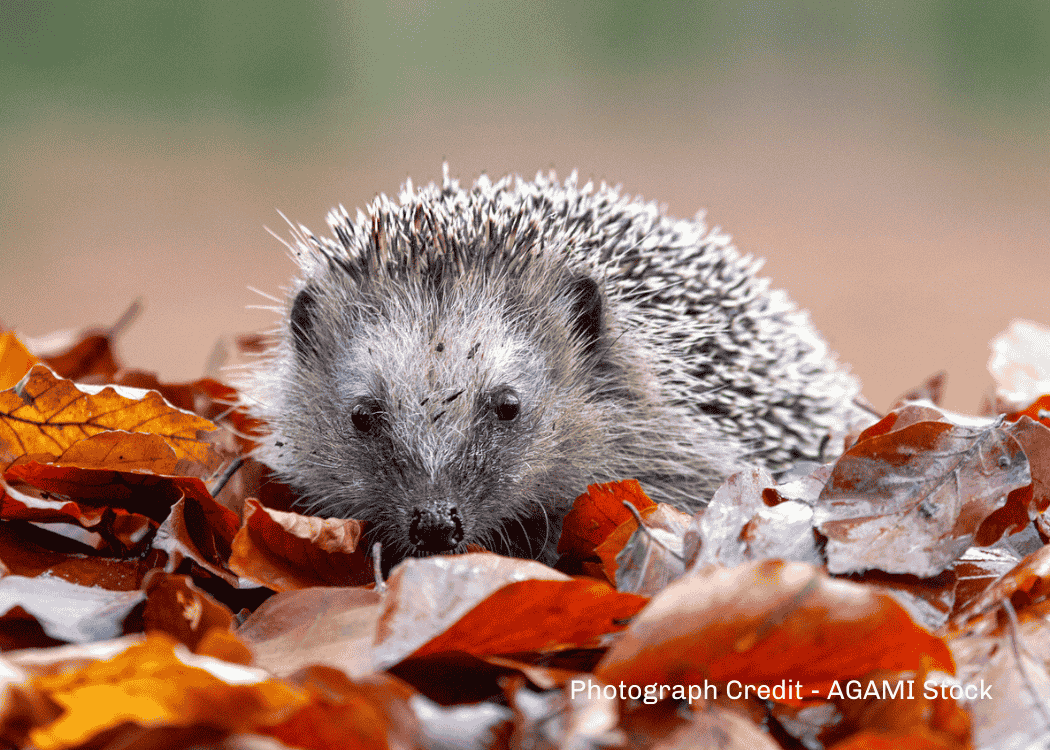
Hedgehogs may also need support. Although in hibernation from October or November until March or April, they may venture out of their nests to forage, especially if they were born late in the season and didn’t have all the time they needed to put on enough weight to get through winter. Dry food such as cat biscuits should be good to eat for about a week in cold weather and putting them in a dish under cover will protect them from rain and prevent cats and foxes stealing them. It’s easy to build a simple shelter with a small entrance and tunnel using bricks with a slate on top.
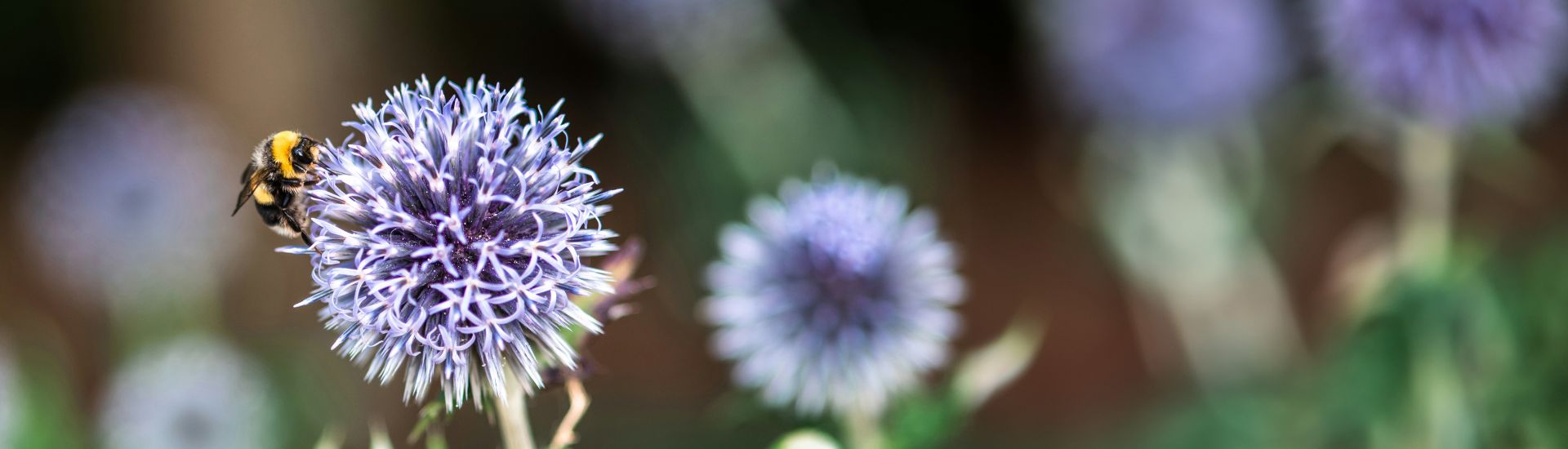
Other creatures may pop out for a snack if confused by unseasonably warm weather. In fact, it’s thought that some queen bumblebees may not hibernate at all now in parts of the UK. You can help them with nectar-rich winter-flowering plants. Try heather, mahonia, winter-flowering honeysuckles like Lonicera fragrantissima and winter-flowering clematis such as Clematis cirrhosa.
https://www.bumblebeeconservation.org/how-to-help-hibernating-bumblebees/
Delay cutting back until spring
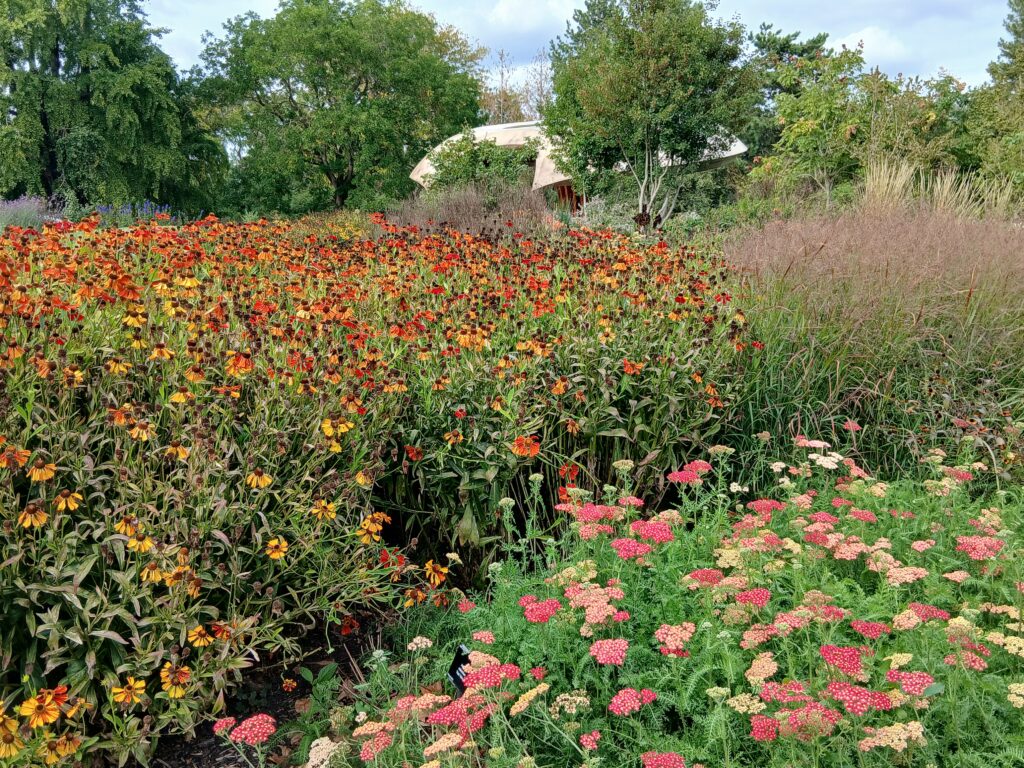
It’s tempting to set to with the secateurs as the garden starts to look increasingly ragged over autumn and winter. But plants with hollow stems provide shelter for overwintering insects like ladybirds and lacewings. Many seedheads are a source of food for birds and small mammals and look gorgeous when covered with frost too. Heleniums, rudbeckias and echinacea will all do the job. Leave areas of long grass as well for shield bugs and others of a similar inclination.
Leave the compost alone
If you can avoid turning the compost heap over winter, then so much the better. Hedgehogs, frogs or slow worms may be hibernating within. Be careful, too, to thoroughly check bonfire piles for sheltering or slumbering animals before burning.
Create a pile of winter prunings
Logs and sticks heaped together offer plenty of crevices for beetles, woodlice and centipedes. Insects are in decline as well and while we sometimes think of them as a bit of a nuisance, they play a crucial role in our world, helping to pollinate food and flowers, breaking down dead organic matter, disposing of plant pests and selflessly acting as a source of nourishment for other, larger creatures.
Larger log piles may even provide a home for hedgehogs. Although they build their first hibernaculums (winter shelters) in autumn, they do sometimes build new nests to re-enter hibernation if they wake up to feed.
Mind the pond
Frogs and newts need to breathe, enter and exit and visiting creatures need drinking water. But if ponds freeze over, vital air supplies for their inhabitants and hydration for others are cut off. Floating a tennis ball on the water surface before temperatures plummet should stop it freezing over completely. If a hole does need to be made though, simply place a pan of hot water on the surface until it melts. Don’t be tempted to smash the ice by hitting it (immensely satisfying though this may be) as it sends shockwaves through the water which can harm occupants.
(Did you know? For most of the year toads don’t live in ponds but in grassland, hedgerows, woodland and areas of the garden. So they may be nearby even if you don’t have a pond. It’s easy to help them by making a toad house: place a pot upside down over a patch of loose soil and lift the edge with a stone to allow new residents to crawl in and burrow down.)
Put up a bird box…
… or clean out the one you have. If you’re feeling ambitious, you could even build one https://www.bto.org/how-you-can-help/providing-birds/putting-nest-boxes-birds/make-nest-box Spring, and with it the breeding season, is on its way and birds will be looking for a place to set up home. Nesting for many birds starts in February.
Buy or build a hotel for bees and other insects
The best time to do this is in autumn when these invertebrates are thinking about settling down for the winter and looking for a cosy place to do so. However, your efforts are likely to be appreciated at any time of year. https://www.rspb.org.uk/helping-nature/what-you-can-do/activities/build-a-bug-hotel
Plan ahead
The plants we have in our gardens can make all the difference to wildlife welfare if chosen well. Winter, when gardening tasks may be thin on the ground and the weather inclement, is an excellent time to think ahead and plan a few additions. Consider, for example, planting a wildlife hedge to provide food and hiding and nesting spaces for birds, pollinators and small mammals. Pyracantha, hawthorn and dog rose make a good combination. Or perhaps a rowan tree, which will fulfil much the same purpose. Nectar and seed-rich plants can also be squeezed into any gaps you didn’t know you had!
https://www.gardenersworld.com/plants/help-wildlife-survive-winter/
We can make a difference. Doing just one thing, even if you can do no more, will give invaluable support to wildlife in winter. And those you help may even like it so much that they decide to stay! Every little helps.
wildlife in winter
We know that our wildlife is, unfortunately, in decline. But there are good news stories too. Although hedgehogs and starlings are in trouble, blackcaps, long-tailed tits and goldfinches are on the up and some of this positive news is because of the help they get in our gardens. In winter, many creatures hibernate or go into a state of torpor. Hedgehogs, butterflies, queen bumblebees, ladybirds, frogs, toads and newts all spend much of their time asleep. But some may emerge on warm days, or if fat reserves are running low, searching for food. And other creatures, such as birds, remain active.
The key to understanding how to help wildlife in winter is knowing what measures creatures take themselves and using that to provide valuable extra resources. Bumblebees, for example, hide in holes in the ground or in piles of leaves. Ladybirds, lacewings and other insects shelter in nooks and crannies or under bark in log piles. Caterpillars squirrel themselves away in piles of leaves or loose soil. And amphibians like newts, toads and frogs either chill out in the mud at the bottom of ponds or under stones and log and leaf piles.
So how can we help?
The first and most obvious way is to keep providing food and water.
Birds need calorie-rich food at this time of year to help them keep warm. Protein and fat are both necessary, so keep bird feeders topped up with fat balls, sunflower seeds and peanuts. They need a drink too and bathing is just as important in winter as in summer; well-maintained feathers help to insulate and keep them warm.
Maintenance matters. Don’t forget to wash feeders with hot soapy water or disinfectant, rinse thoroughly and allow them to dry. This should be done at least every couple of weeks to help prevent the spread of nasty, and sometimes fatal, diseases. Break the ice on bird baths, especially if natural sources of water such as puddles are frozen. And siting baths in the sunniest part of the garden or floating a ping pong ball on surfaces may help prevent freezing in the first place.
Hedgehogs may also need support. Although in hibernation from October or November until March or April, they may venture out of their nests to forage, especially if they were born late in the season and didn’t have all the time they needed to put on enough weight to get through winter. Dry food such as cat biscuits should be good to eat for about a week in cold weather and putting them in a dish under cover will protect them from rain and prevent cats and foxes stealing them. It’s easy to build a simple shelter with a small entrance and tunnel using bricks with a slate on top.
Other creatures may pop out for a snack if confused by unseasonably warm weather. In fact, it’s thought that some queen bumblebees may not hibernate at all now in parts of the UK. You can help them with nectar-rich winter-flowering plants. Try heather, mahonia, winter-flowering honeysuckles like Lonicera fragrantissima and winter-flowering clematis such as Clematis cirrhosa.
https://www.bumblebeeconservation.org/how-to-help-hibernating-bumblebees/
Delay cutting back until spring
It’s tempting to set to with the secateurs as the garden starts to look increasingly ragged over autumn and winter. But plants with hollow stems provide shelter for overwintering insects like ladybirds and lacewings. Many seedheads are a source of food for birds and small mammals and look gorgeous when covered with frost too. Heleniums, rudbeckias and echinacea will all do the job. Leave areas of long grass as well for shield bugs and others of a similar inclination.
Leave the compost alone
If you can avoid turning the compost heap over winter, then so much the better. Hedgehogs, frogs or slow worms may be hibernating within. Be careful, too, to thoroughly check bonfire piles for sheltering or slumbering animals before burning.
Create a pile of winter prunings
Logs and sticks heaped together offer plenty of crevices for beetles, woodlice and centipedes. Insects are in decline as well and while we sometimes think of them as a bit of a nuisance, they play a crucial role in our world, helping to pollinate food and flowers, breaking down dead organic matter, disposing of plant pests and selflessly acting as a source of nourishment for other, larger creatures.
Larger log piles may even provide a home for hedgehogs. Although they build their first hibernaculums (winter shelters) in autumn, they do sometimes build new nests to re-enter hibernation if they wake up to feed.
Mind the pond
Frogs and newts need to breathe, enter and exit and visiting creatures need drinking water. But if ponds freeze over, vital air supplies for their inhabitants and hydration for others are cut off. Floating a tennis ball on the water surface before temperatures plummet should stop it freezing over completely. If a hole does need to be made though, simply place a pan of hot water on the surface until it melts. Don’t be tempted to smash the ice by hitting it (immensely satisfying though this may be) as it sends shockwaves through the water which can harm occupants.
(Did you know? For most of the year toads don’t live in ponds but in grassland, hedgerows, woodland and areas of the garden. So they may be nearby even if you don’t have a pond. It’s easy to help them by making a toad house: place a pot upside down over a patch of loose soil and lift the edge with a stone to allow new residents to crawl in and burrow down.)
Put up a bird box…
… or clean out the one you have. If you’re feeling ambitious, you could even build one https://www.bto.org/how-you-can-help/providing-birds/putting-nest-boxes-birds/make-nest-box Spring, and with it the breeding season, is on its way and birds will be looking for a place to set up home. Nesting for many birds starts in February.
Buy or build a hotel for bees and other insects
The best time to do this is in autumn when these invertebrates are thinking about settling down for the winter and looking for a cosy place to do so. However, your efforts are likely to be appreciated at any time of year. https://www.rspb.org.uk/helping-nature/what-you-can-do/activities/build-a-bug-hotel
Plan ahead
The plants we have in our gardens can make all the difference to wildlife welfare if chosen well. Winter, when gardening tasks may be thin on the ground and the weather inclement, is an excellent time to think ahead and plan a few additions. Consider, for example, planting a wildlife hedge to provide food and hiding and nesting spaces for birds, pollinators and small mammals. Pyracantha, hawthorn and dog rose make a good combination. Or perhaps a rowan tree, which will fulfil much the same purpose. Nectar and seed-rich plants can also be squeezed into any gaps you didn’t know you had!
https://www.gardenersworld.com/plants/help-wildlife-survive-winter/
We can make a difference. Doing just one thing, even if you can do no more, will give invaluable support to wildlife in winter. And those you help may even like it so much that they decide to stay! Every little helps.