Blog
Companion Planting – A Natural Way to Boost your Veg Patch

Fed up with the plague of blackfly on your runner beans? At your wits’
end with whitefly on your tomatoes? Frustrated by the allotment
waiting list and longing to grow more of your own vegetables in a small
garden?
Companion planting helps you to produce lots of edibles without
sacrificing the other plants you want as well. It mixes vegetables, fruit,
flowers and herbs to create plant partnerships and communities for
all-round mutual plant aid. So it involves pest control, attracting
pollinators and predator insects and maximising the use of space.
We’ve focused here on some of the benefits to growing vegetables.
Pest control with plant power
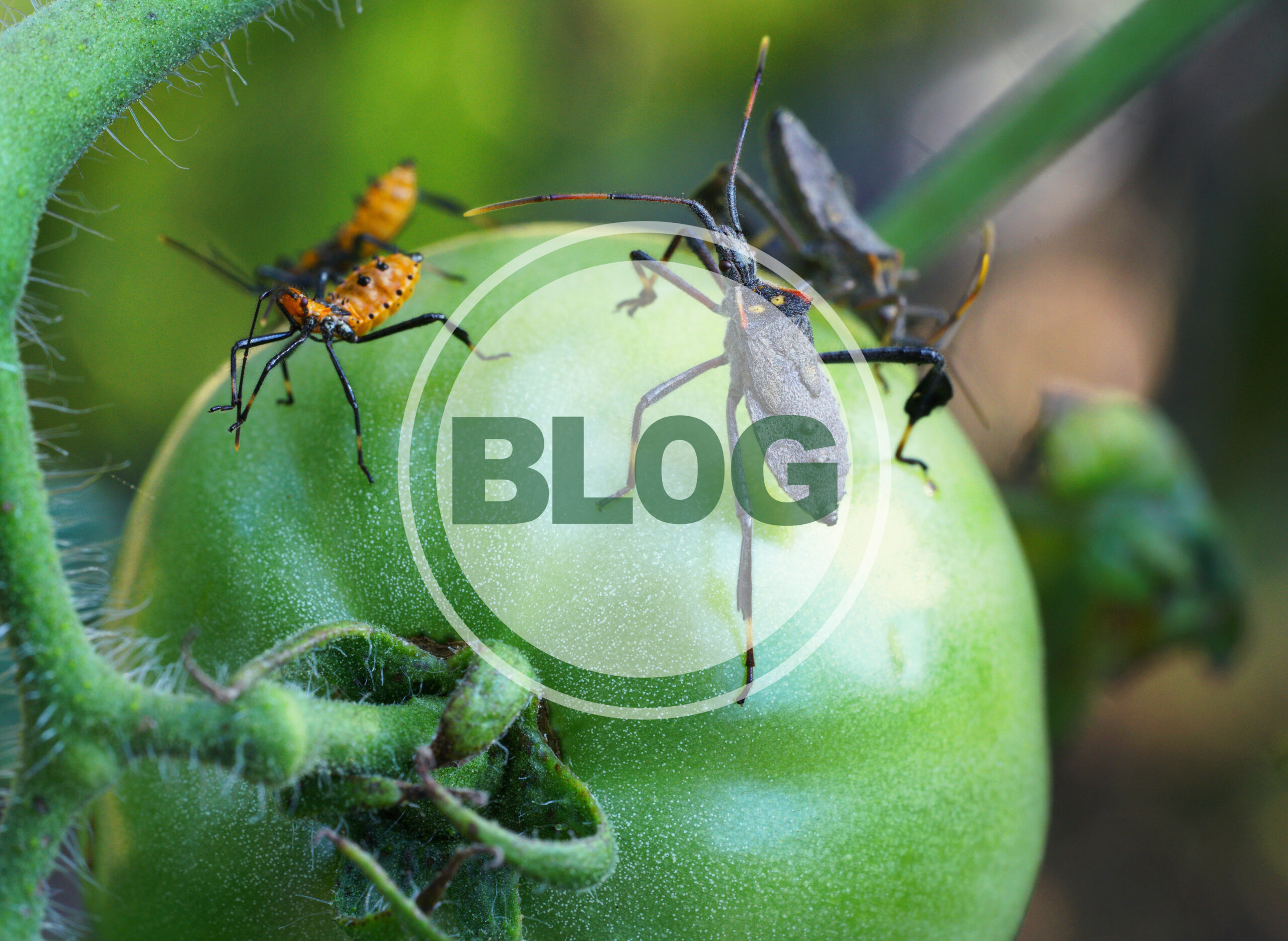
Companion planting can help to deter the nasties which suck on your
veg and other plants. This is because many companion plants have
strongly scented or flavoured flowers and foliage. As a result insect
pests looking for the plant they usually feed on, or a plant you really,
really don’t want them to have a go at just get confused. Herbs and
members of the onion family including chives and garlic, plus flowers –
notably nasturtiums and English and French marigolds – are all used in
this way. So combining, say, nasturtiums with French beans should
help deter blackfly. This minimises the use of pesticides; consequently
it’s better for other wildlife and better for you too.
A word to the wise though: while French marigolds can keep the aphids
off your peas, they’re also a bit of a slug and snail magnet. So if you’re
planning to use them as a companion plant, it’s best to create a trap bed.
This entails planting them well away, rather than amongst your crops,
where the relentlessly prowling molluscs may well take the opportunity
to decimate your precious veg too.
Alternatively you can use Vitax ‘Slug Gone’, an organic wool-based
product.
You can find more help with the battle against slugs and snails here:
https://www.capitalgardens.co.uk/blog/driven-mad-slugs-snails-7-plants-hate/
Encouraging beneficial insects
Including certain flowers brings in bees and so can increase the
pollination of vegetable plants such as runner beans, tomatoes and
courgettes. Other flowers attract predator insects such as lacewings,
whose larvae will munch enthusiastically on aphids. We have a
blog on this which you can have a look at if you want to know more.
https://www.capitalgardens.co.uk/blog/attracting-beneficial-insects-to-your-garden/
Making the best use of a small space
Intercropping is sowing fast-growing crops such as spring onions,
radishes, beetroot and salad leaves between the rows of slower-growing
vegetables like broccoli. This element of companion planting not only
allows you to cram extra goodies into your garden, but also helps
keeps the weeds down. Weeds, apart from creating additional work for
you, take light, water and nutrients from your veg for no return, and
can also spread diseases.
Bolting (flowering much too early and generating seed) can be a problem
with some plants such as lettuce, coriander and spinach. This usually
means the leaves become bitter and inedible. It can be caused by a
number of things, for example heat stress or the watering having slipped
your mind
once too often. If you have a really sunny garden (and most veg do like
lots of sun), you can use tall and climbing plants such as sweet corn,
peas and runner beans to create a bit of shade for crops that have a
tendency to run away when you don’t want them to.
If you want to take it a step further, we advise not planting the same
crop together en masse or in rows. While a long row of peas on canes is
somehow very satisfying to look at and in some ways makes planting
quicker and easier, it also makes it easier for pests and diseases to find
their favourite plants and do their worst.
Seasoned companion planters say that plants in the right combination
also provide each other with mutually beneficial nutrients. You can find
out a bit more about this here:
https://www.theenglishgarden.co.uk/expert-advice/gardeners-tips/companion-planting-beginners-guide/
A work of art
This isn’t one of the reasons generally given in favour of companion
planting but it is an added bonus. There’s no getting away from the fact
that all those different colours, shapes, sizes and textures look utterly
marvellous together.
The French have been onto this for some considerable time. French
potagers or ornamental kitchen gardens were first created in medieval
times and mix vegetables, fruit, herbs and flowers. The result is a space
that is both functional and beautiful but looks natural and informal.
https://www.bbg.org/gardening/article/potager
And actually traditional English cottage gardens also contained lots of
vegetables. Less flower-focused than the cottage gardens we think of
today, they too originally needed to fulfil a practical purpose.
Ten suggested companion planting combinations
1. Broccoli with beetroot
This will help keep the weeds down over summer while your broccoli
matures.
2. Courgettes with English marigolds
Will help pollinate the courgette flowers. Stalwart English marigolds
have many uses: attracting pollinating and predator insects such as
lacewings, hoverflies and ladybirds, distracting whitefly from your
tomatoes and luring aphids away from beans.
3. Carrots with spring onions
Not only does the pungent smell of onion deter carrot root fly, the
smell of carrots is said to be off putting to onion fly. A triumph of veg
power over pest power.
4. French beans with thyme
This will confuse and hence deter pesky aphids.
5. Kale with nasturtiums
This prevents cabbage white caterpillars from feasting on your leafy
greens. The poor nasturtium is often used as a sacrificial plant because
it’s loved by many garden pests. Cabbage white butterflies will lay
their eggs on the leaves, thus keeping their caterpillars away from
other edible members of the cabbage family (like kale). Nasturtiums
also attract blackfly and tempt aphids away from beans. In addition
they attract beneficial insects such as bees.
6. Potatoes with lettuce
This is to make the best use of gaps while your potatoes mature and
get a quick salad hit in the meantime.
7. Radishes with mint
The powerful minty smell puts off flea beetles which chew holes in the
leaves of radishes. (But remember that mint is best kept in a pot as it
has a tendency to take over when given the freedom of being planted
in the ground.)
8. Runner beans with sweet peas
This is to attract pollinating insects which will do you the favour of
helping to fertilise your bean flowers.
9. Salad leaves with peas
This is to provide shade and so prevent the salad leaves from bolting.
10. Tomatoes with chives
The onion smell is more dominant than the tantalising aroma of tomato
leaves and is said to ward off aphids. Chive flowers will also attract
pollinators and are themselves edible!
You can find a useful chart here:
https://www.thompson-morgan.com/companion-planting-guide
These are just some ideas. And in fact scattering around insect deterrents
such as herbs will keep the pest insects busier and more confused than
if you plant them all together. Likewise planting pollinator magnets such
as marigolds throughout your garden will be more effective than having
them all in one place.
You can buy most of these now as plants or seeds.
Vegetable seeds that you can sow now include:
Lettuce and other salad leaves, pak choi, beetroot, radishes, spring onions,
French and runner beans, peas, sweet corn, outdoor cucumbers, courgettes
and marrow. You can also put pumpkin, squash, broccoli, kohl rabi and
turnip seeds in now for an autumn harvest. There’s lots of information in
our blog on growing vegetables from seed:
https://www.capitalgardens.co.uk/blog/vegetable-seeds-you-can-start-sowing-now
And you can learn more by watching our webinar on vegetable seeds from
3rd June, with our guest Paolo from Italian seed company Franchi.
An ideal garden
Companion planting has been used for millennia. The traditional Three
Sisters and milpa systems of North and Central America combine maize,
beans and squash (the titular Three Sisters), often with other crops.
These complement each other agriculturally and use space economically
at the same time as providing a balanced diet.
Although there’s very little scientific research into how well it works,
there’s lots of word of mouth evidence that this way of doing things does
help to produce more and healthy vegetables. A (more or less) self-regulating
insect- and weed-control system which takes some of the work off your
hands, packs loads into a small space, and is infinitely pleasing to the eye,
it allows you to create your own multi-purpose personal oasis. What, as
they say, is not to like?
By Andy Williams, Capital Gardens