Blog
Celebrating World Bee Day 2021


Did you notice the buzz on Thursday?
The United Nations (UN) has designated Thursday, 20th May 2021
as World Bee Day. So, let’s start by looking at the aims of World Bee Day.
By celebrating World Bee Day, the UN hopes to bring three main
points to the World’s attention:
- Firstly, to raise global awareness of the importance of all pollinators.
- Secondly, to make us aware of the threats facing bees.
- And finally, to highlight their importance to sustainable development.
https://www.un.org/en/observances/bee-day
Why May 20th?
World Bee Day is held on May 20th because it was the birthday of the
pioneering apiarist Anton Janša (1734-1773). Educated as a painter,
Janša was later employed as a teacher of apiculture at the Habsburg
Court in Vienna. He is recognised as a pioneer of modern beekeeping.
https://www.beeourguest.eu/anton-jansa/
Why are pollinators important?
Pollination is essential to the survival of global ecosystems. According
to the UN nearly 90% of the planet’s flowering plant species depend on
animal pollination, and importantly to us that includes 75% of the
world’s food crops and 35% of global agricultural land. In other words,
our food supply depends on pollinators, and this makes it very important
to monitor their numbers and halt any loss.
Meet the pollinators
Insects as pollinators
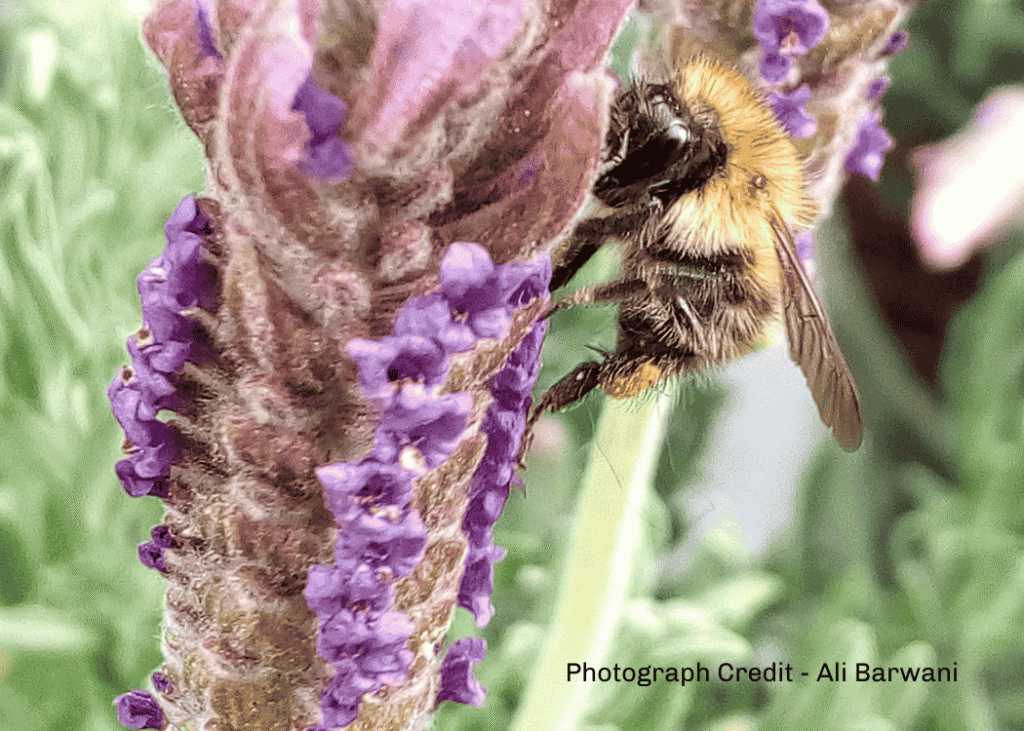
Most people know honeybees and bumblebees exist, but did you know
that Britain is home to just over 270 species of bee? And just under 250
of these are solitary bees, that means bee species that do not live in
colonies like honeybees and bumblebees.
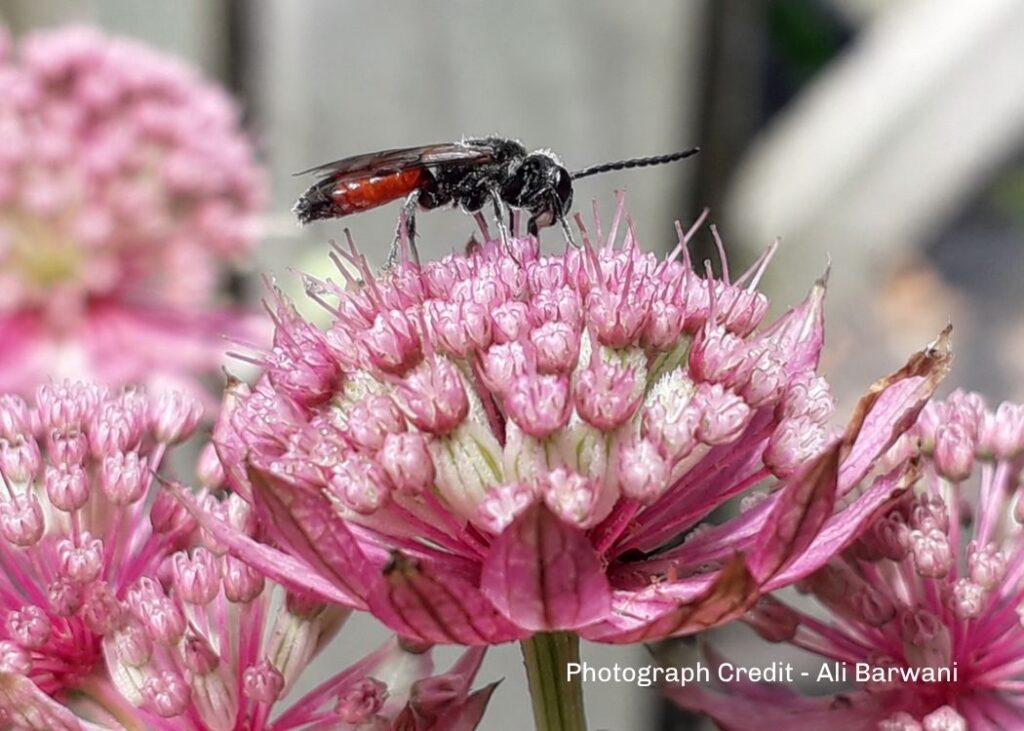
However, pollination isn’t just done by bees. If you go out in the garden
and sit quietly by a patch of daisies or dandelions on the lawn you should
be able to observe not just honeybees and bumblebees, but butterflies,
moths, wasps, hoverflies, flies, and a myriad of beetles pausing to refuel.
Bats and birds as pollinators
Insects are not the only pollinators. In other regions of the world bats
and birds are important pollinators too. Sadly, all pollinators are under
threat from human activities.
1) Bat pollination
Over 500 species of plants rely on bats to pollinate their flowers.
https://www.bats.org.uk/about-bats/why-bats-matter/bats-as-pollinators
Fun fact: pollination by bats is known as ‘chiropterophily’.
Mango trees and agave (use to make tequila) are examples of bat
pollinated crops. So, the next time you are enjoying a slice of juicy
mango or a cheeky shot of tequila remember to thank the bats!
2) Bird pollination
Bird pollinators include hummingbirds, honeycreepers, sunbirds,
and honeyeaters.
Fun fact: when pollination is carried out by birds it known as
‘ornithophily’.
Strelitzia and Canna are examples of plant genera that are bird
pollinated.
Back to the bees
Bees are intimately intertwined with our lives and history. Recent
archaeological evidence shows humans have been exploiting honeybees
for almost 9,000 years, back to the dawn of agriculture.
Honeybee (Apis mellifera) basics
Beehives are little kingdoms. The hive is ruled by one Queen Bee, all the
other bees in the colony are her servants.
The Queen is the only fertile female in the colony. She spends her life
laying eggs and giving orders to her subjects. These commands are
transmitted via special chemicals known as pheromones.
During her lifetime, a Queen can lay up to 80,000 eggs. Most of the
eggs will become female worker bees. The Queen also produces a
smaller number of male drones.
The worker bees, her daughters, do all the foraging, building, cleaning
and caring in the hive. At the start of the day workers instruct other
workers with a special ‘waggle dance’. This dance communicates
important information such as where to go for the best flowers.
Worker bees are tough. They can fly up to 5 miles a day and carry almost
half their weight in nectar. Workers will also defend the hive if it comes
under attack.
Drones are male bees. In the summer there can be up to 1,000 drones in
a beehive. Drones are bigger than workers, but not as big as the Queen.
Drones don’t defend the hive or gather pollen and nectar. These males
only have one role. They wait for the Queen to make her mating flight –
this is the swarm. The drones race to catch the Queen and mate with her.
Once a drone has mated with the Queen he will die. The Queen can mate
with up to 40 drones.
Any upset in the behaviour of the workers, drones or Queen will cause
the colony to collapse.
Amazing Fact: honeybees sleep between 5 to 8 hours a day! This was
discovered by researcher called Walter Kaiser in 1983. He also noticed
that many bees held each other’s legs as they slept.
The threats facing UK honeybees
Habitat loss
The loss of woodland and hedgerows, meadows and green verges means
more and more of the countryside is losing its natural flora. This loss in
diversity matters because it is the wildflowers that feed our bees. In other
words, habitat loss means less forage and shelter for bees.
Pesticides
Pesticides including neonicotinoids can affect the ability of bees to feed,
navigate and reproduce. Exposure to pesticides may also make it harder
for bees to withstand disease and infection.
Climate change
Researchers are investigating how changes in climate may be disrupting
bee behaviour.
Varroa
A parasitic mite that first appeared in the UK in 1992 and has been a major
problem for British beekeepers ever since. The mites not only suck bee
blood but are also a vector for disease.
Asian hornet
The British Beekeepers Association believes this invader, which has been
spotted in Britain since 2016, is now the biggest imminent threat facing
beekeepers in the UK.
https://www.bbka.org.uk/report-asian-hornet
10 Ways you can help save the bees
So, we now know there is a problem. But what can we do on World Bee Day
to save the bees? The following list covers 10 practical ways you can help
bees survive.
1) Garden with bees in mind
Many crops we grow in our gardens rely on insect pollination. In other
words,without bees apples and strawberries won’t set fruit and we won’t
have delicious tomatoes and runner beans. These, and many other food
crops, need to be pollinated by bees. But bees will visit our gardens if we
offer them a range of attractive and nutritious flowers.
To find out which are the best flowers to grow in your garden read our blog
on bee friendly plants:
https://www.capitalgardens.co.uk/blog/ten-bee-friendly-plants-for-summer/
2) Reduce pesticide use
Care for your garden in a more wildlife and bee friendly way.
3) Welcome ladybirds and other insect predators into the garden
Ladybirds offer a natural alternative to using pesticides.
4) Allow your lawn to grow
Instead of cutting all your grass let some areas to develop into a meadow
like state where dandelions, clover and other bee-friendly wildflowers can
thrive.
https://www.plantlife.org.uk/uk/about-us/news/how-to-mow-your-lawn-for-wildlife
5) Create a bee bath
So simple to do – just fill a glazed pot saucer with small pebbles, then add
water. In the summer months bees and other insects will alight on the gravel
and safely suck up the water they need.
6) Install a bee and bug house
Insect houses provide nest holes for solitary bees. Our insect house range
starts from £3.99. The stylish Tom Chambers ‘Busy Bee House’ is £15.99.
7) Support your local beekeepers
Buy locally produced honey and honey products. The seasonally available
north London honey is a very popular product at our Alexandra Palace
Garden Centre.
8) Buy beeswax food wraps
Beeswax wraps are a reusable alternative to clingfilm. As well as being
environmentally friendly they keep your food fresh for longer in a more
natural, breathable manner. Bee Bee Beeswax food wraps are available
at £10.99 and are made from UK beeswax.
9) Bee a savvy shopper
Buy fruit and vegetables that are in season. Look out for organic and
local produce.
10) Support honeybee organizations.
Get involved. https://www.bbka.org.uk/
World Bee Day Challenge
Do you fancy becoming the next David Attenborough? Then why not
keep a lab journal of the pollinators that visit your garden or local park?
Make field notes of things like weather conditions, temperature, and
jot down what flowers are available each month. Investigate which
flowers attract the most insects and see if there are any flowers insects
ignore. Do bumble bees and honeybees forage at the same hours?
In conclusion, by making these observations you will begin building up
a picture of the insect biodiversity in your local environment and better
understand the needs of pollinators.
“Bees In The Garden” webinar
To learn all about bee friendly gardening watch our latest Webinar:
‘Bees In The Garden’. This free webinar can be found on our events
page on the Capital Gardens website.
https://www.capitalgardens.co.uk/events/#previousWebinars
In Conclusion
Bees are charismatic ambassadors for all pollinators under threat. Above
all, the most important message of World Bee Day is that not only do
pollinators contribute directly to food security, but they are key to
conserving biodiversity.
The major goal of World Bee Day is to strengthen measures aimed at
protecting bees and other pollinators, which would significantly contribute
to solving problems related to the global food supply and eliminate hunger
in developing countries.
As responsible consumers and gardeners, we can be involved in protecting
pollinators through our purchases and actions. So why not take a second
look at our 10 simple suggestions and see which ones you can participate
in on World Bee Day 2021?
Written by Ali Barwani, Capital Gardens