Blog
Planting a bird-friendly garden


Planting a bird-friendly garden
The best start to a day is, surely, to be lulled into wakefulness by the sound of chirping sparrows, the earnest songs of blackbirds or the soft cooing of wood pigeons. And our feathered friends, as well as being on morning alarm duty, help us in our gardens too by reducing the number of pests we have to deal with. Birds eat invertebrates we’d prefer didn’t visit our plants, such as aphids, slugs and snails. Starlings, blackbirds and sparrows will even eat wasps. And blue tit chicks love a fat, juicy caterpillar.
They also need our help. We know that almost half of UK bird species, including some of our best-loved garden visitors, are in decline because of habitat loss, pesticide use, climate breakdown and bird flu. But human intervention, as well as causing damage, can help them too. And this is where gardeners come in.
To create a bird-friendly garden, it’s obviously important to be aware of what they need, and different birds have differing requirements. Attracting insect-eating birds, for example, means having plants that lure in insects. A diversity of habitats is the key!
For birds, as for all animals, the basics of shelter, food and water are necessary to survive and thrive. A good mix of plants can provide shelter and fodder and some foods provide a degree of hydration too, although it’s important to provide water separately for drinking and bathing, particularly during very hot and dry or cold spells.
Shelter
Birds need to feel that both they and their chicks are safe from predators. Trees, shrubs, hedges and climbers all offer places to hide and build nests. Large prickly and spiny plants, as well as being hiding places in themselves, can help deter predators from coming into the garden and climbing up to where birds may be feeding or nesting. If you have feeders, hang them in trees so birds can dart down and beat a hasty retreat if necessary. Tallish trees are best as they have high branches which act as look out posts, allowing birds to keep watch from a safe distance. They need shelter from winter cold too, and evergreens offer the best insulation.
Trees and large shrubs also act as song perches. Birds sing to declare ownership of territory and attract mates. Sound travels more effectively in the open air from higher up so taller specimens are especially useful in urban areas, allowing the song to be heard over background noise. If space is an issue, there are plenty of trees and shrubs suitable for smaller gardens. https://www.woodlandtrust.org.uk/blog/2023/05/best-trees-for-birds-and-other-wildlife
Food
Providing natural sources of food is better than supplementary feeding and it’s helpful to know what garden birds eat in the wild so that planting decisions can be made accordingly, if desired.
· Robins eat fruit, seeds and invertebrates like beetles, spiders and worms.
· Blackbirds love juicy worms, slugs and snails but will also eat berries in autumn.
· Tits mostly feed on invertebrates like caterpillars and grasshoppers, but also munch through seeds and some fruits.
· Sparrows are generally seed-eaters but are also happy with aphids and caterpillars – especially to feed to chicks.
· Finches mostly eat the seeds of plants such as thistles and sunflowers but are also partial to insects in summer.
· Starlings primarily feast on worms and insects but will also eat fruit and berries in autumn and winter.
· Swallows and swifts feed on the wing, swooping and diving to catch flying insects, so a healthy insect population is essential.
· Thrushes, including winter visitors such as redwings and fieldfares, love berries and fallen fruit. Song thrushes eat snails too, and have developed the clever technique of smashing the shell against a rock or stone to get to the meat inside.
Plants for seeds:
While some can be easily grown from seed, others are best bought as plants. Not just of interest to birds, the seedheads often look striking as well, providing structure in gardens during autumn and winter. And leaving them in place provides nooks and crannies for insects to hibernate and overwinter too – more food for the birds!
From seed: try cheerful sunflowers, Delft-blue cornflowers, gently wafting fennel and tall and stately dipsacus (teasel). And why not experiment with a few not commonly grown in the garden as ornamentals? Amaranthus has unusual tassels of tiny flowerheads in crimson, magenta, bronze and lime. Both the leaves and seeds are edible and very nutritious for humans too. And if you’ve ever seen a field carpeted with forget-me-not blue flax flowers, you’ll know that it’s a thing of beauty. Annual Linum usitatissimum is the plant that produces the seeds that birds love and which are also good for our health. Ready-mixed packets of bird-friendly seed are available too.
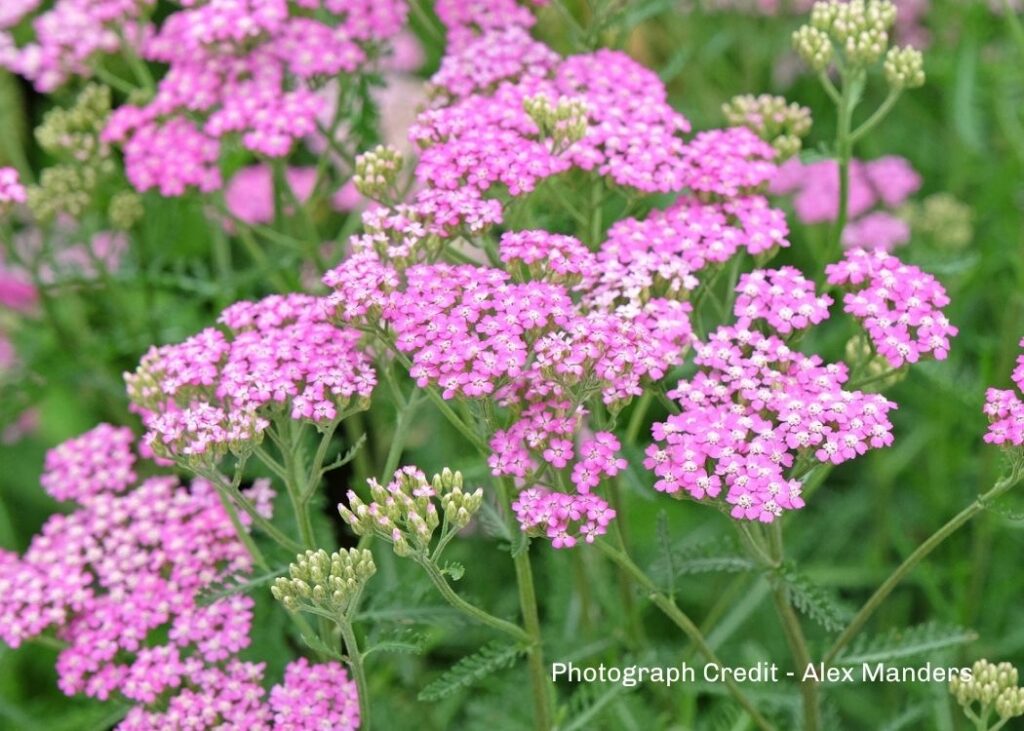
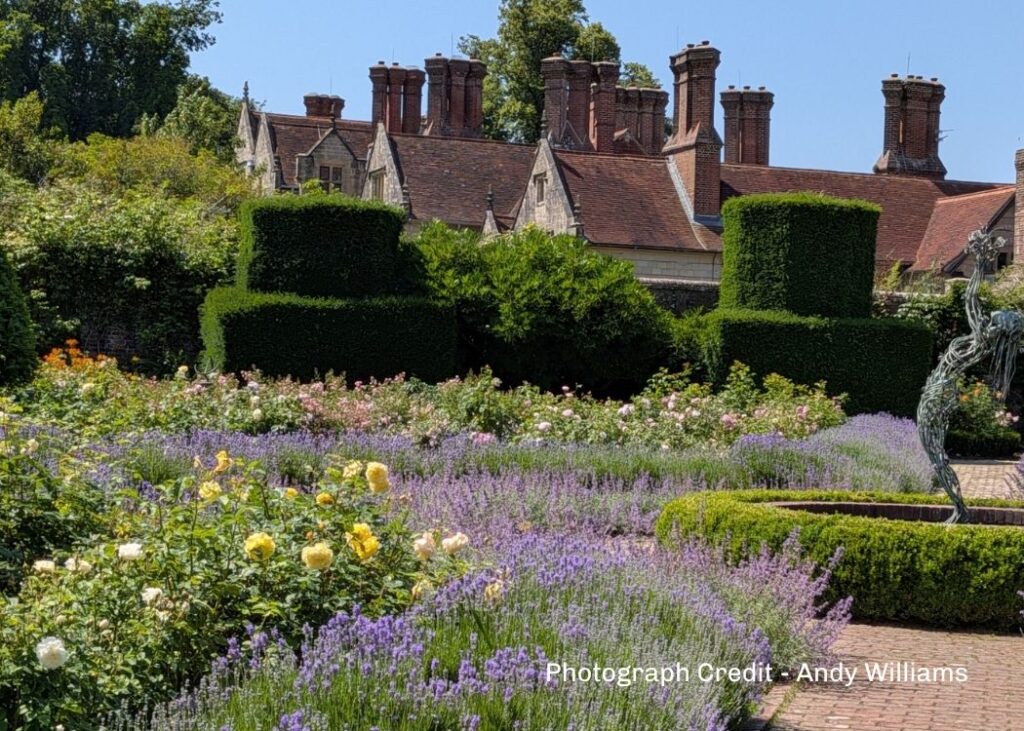
As plants: try ferny-leaved, multi-coloured achillea, bright and robust-looking echinacea, sunny rudbeckia, pink and white cosmos and that perennial garden favourite, lavender.
[Did you know? Lavender has more than one benefit for birds; blue tits have been observed using it to line their nests. It’s thought that it helps create a healthy, santised environment for chicks.]
And don’t forget the ‘weeds’. Birds evolved in tandem with wildflowers. The seeds of several, including thistles and dandelions, are popular with greenfinches and goldfinches, so leave some in place and your reward will come.
There are more ideas here: https://www.gardenersworld.com/plants/growing-your-own-bird-food/
Plants for berries and fruits:
Berries contain fat and antioxidants which help birds battle the cold. And while we don’t necessarily want birds to be pecking at our apples, plums and cherries, there are also fruit which birds adore and which are generally not to our taste in their natural form. Crab apples and sloes (blackthorn) are both easy to grow. For berries, plant rowan and hawthorn; redstarts, redwings, fieldfares and other thrushes will pick them clean in a hard winter. All have blossom too and are home to different species of caterpillar, high-protein hits which sparrows and tits, especially their chicks, adore. Hawthorn and blackthorn make good nesting sites for birds, their dense growth and spines helping to deter predators. Both can be grown as hedges. https://www.gardenersworld.com/plants/top-10-plants-for-birds/
For invertebrates:
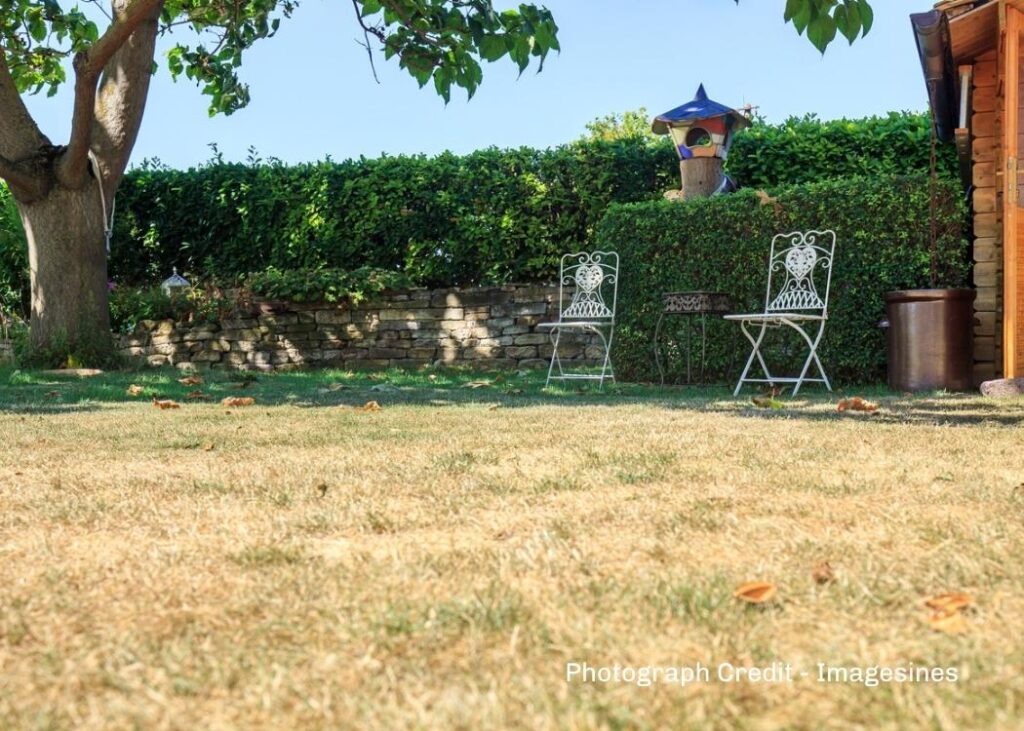
Trees and shrubs provide food for a variety of insects including caterpillars. Lawns, too, are a good source of invertebrates but again, variety is important. Leaving areas of long grass and adding a few wildflowers encourages a healthy insect population, Conversely, keeping some areas shorter, while just long enough for daisies and buttercups to grow, allows blackbirds, starlings, thrushes and robins to probe for worms and grubs.
And of course plants that provide shelter and food, all in one, are bird favourites, as well as earning their keep in small gardens. Evergreen pyracantha, for example, trained as a wall shrub, provides dense, thorny cover, berries in autumn and flowers which are loved by small flies and hoverflies. Ivy gets a bad press, and it can be a nuisance, but if you have space, a mature, dense specimen gives shelter all year and its berries are an excellent natural source of autumn and winter bird food. And the flowers are a magnet for insects which will be gobbled up by wrens and robins too. Likewise, the flowers of sheltering, twining honeysuckle attract pollinators, while its autumn berries are another food source.
Other tips for supporting birds
· Don’t forget to leave out large saucers of water for drinking and feather cleaning.
· Avoid using pesticides. It may take a while, but put up with the aphids if you can. Birds will move in to eat them and, although they won’t find them all, they should eat enough for your roses to flourish.
· Go easy on the tidying up. A slightly messy garden is a sign of love for wildlife. Moss, twigs, leaves and the first grass cuttings are all used as nesting materials. Piles of leaves are a place for overwintering insects to call home.
· Robins and some other birds often begin nesting early, so try not to cut hedges and trees between March and August. After this the breeding season is likely to be over. https://www.rhs.org.uk/garden-inspiration/wildlife/help-birds-year-round
Birds bring us such joy and adding a few bird-friendly plants to the garden is easy as well as being fun. Many of them are beautiful and quite a few have more than one season of interest so are perfect for modestly-sized outdoor spaces. It’s a small thing that could make a big difference. Birds give us so much, let’s offer them something in return.