

Blog
Spring lawn care


Spring lawn care
The smell of a lawn being mown – an oddly comforting mix of chlorophyll and two-stroke engine fuel – is one of my favourite childhood memories. We think of grass lawns as iconically British, but they only really emerged in the 18th century, becoming a fashionable part of landscape design. At first the preserve of the wealthy and powerful, they gradually became aspirational status symbols and finally the treasured possession of almost everyone lucky enough to have a garden. Lawn care became a hobby, sometimes leading to a surprising, and not always generous-spirited, level of competition between neighbours.
Thrushes, blackbirds and starlings all feed on the worms and insects which live under lawns. But apart from that, an area consisting entirely of grass has little to offer wildlife. So as well as the traditional tasks we’ve suggested a few ways of doing things differently which will create a more diverse ecosystem in your garden.
Raking
This is usually done in March or April to remove dead plant material that has accumulated over winter. However, it also gets rid of any twigs and stones that might damage your mower, so it’s not a bad idea to do it regularly before you mow, especially in areas that are under trees or shrubs or next to gravel paths. Use a fan-shaped rake with thin, springy tines.
Mowing
You’ll have noticed that your grass puts on a growth spurt in spring so you may find yourself mowing about once a week at this time of year. It’s nice to leave at least some of the cuttings for birds such as robins to gather for nest-building, especially if it’s a while since you’ve cut the grass and your clippings are quite long. Only do so if you haven’t recently fertilised or used pesticides though. Both are potentially toxic to birds.
https://www.birdsandblooms.com/birding/attracting-birds/bird-nesting/bird-nesting-material/
Mowing tips:
1) Not cutting your lawn too short – raising the height of the blades – helps drought resistance. Very short grass can quickly become parched and brown during long, dry periods. Grass that is left to grow taller also grows more slowly, meaning you don’t have to mow as often.
2) Leaving some clippings on the lawn as a mulch also helps to improve drought resistance and adds precious organic matter to your soil as it breaks down too. Short clippings will slip down between the blades of grass more readily than long ones, so you may want to mow more regularly if you’re doing this.
Alternatively…
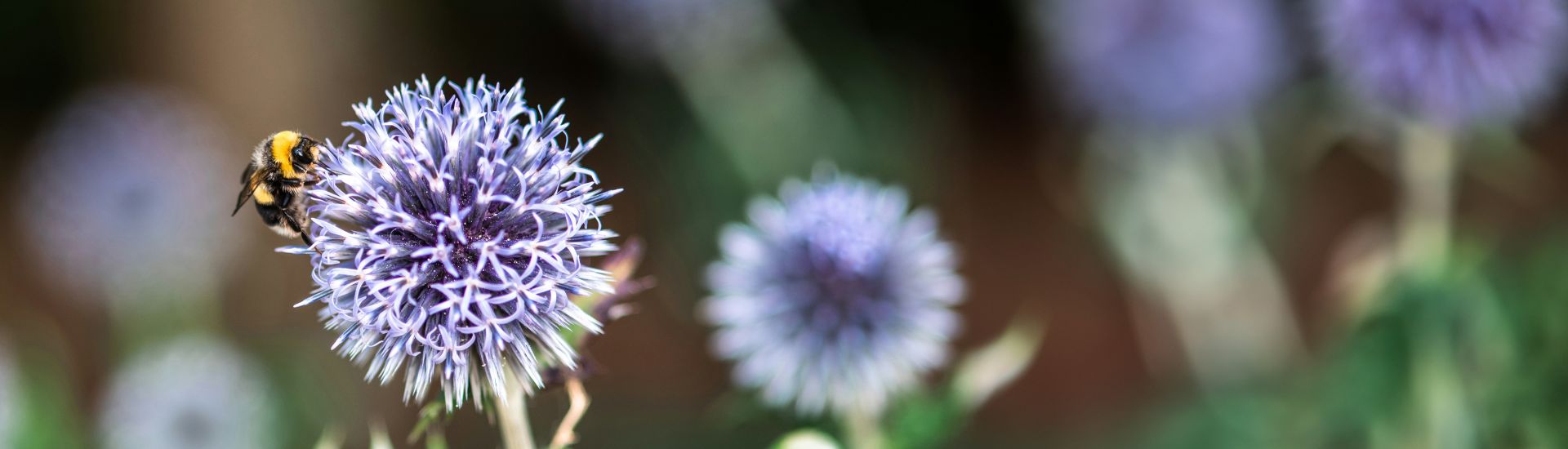
Take part in No Mow May, allowing the grass to grow and produce seed and wildflowers to appear. You might be surprised at what pops up to provide both pollen and nectar. The long grass itself offers shelter and egg-laying space for insects too. These will, in turn, become a welcome food source for birds and other wildlife such as hedgehogs.
If you’ve already cut the grass, however, it’s not too late! You can start now, either leaving the whole lawn or just setting aside part of it. You never know, you may find you like the results so much that you want to leave it until August before mowing again. This will encourage an even greater diversity of plant and insect life. Think of it as your own little conservation area.
https://www.plantlife.org.uk/campaigns/nomowmay/
Edging
The edges of your lawn may have become a little wobbly over winter and early spring so use a half-moon edging tool to redefine areas surrounding paths and borders. Then keep them neat and tidy with edging shears.
Patching up
Winter games can churn up the grass, leaving bald patches that just won’t recover on their own. The shade of overhanging trees can also put paid to grass surviving over the long, dark days. Spring and autumn are the best times to re-seed. Choose seed that matches your requirements, something hard-wearing for areas that are subject to heavy wear and tear, or something shade-tolerant for the patches under trees. Hungry birds are liable to steal the seeds you’ve so carefully scattered so you may want to cover the area with horticultural fleece until it germinates properly. There’s detailed advice here: https://www.rhs.org.uk/lawns/repairing
Aerating
This allows air to get to the roots, alleviating compaction from football and other boisterous activities, and helps to prevent waterlogging. Usually it’s done in early spring after winter rains, but if you haven’t done it already, or if your lawn still feels soggy (let’s face it, we’ve had a LOT of rain over the last few months), stab it with a garden fork every 15cm or so. The holes should be about 10cm deep. You can also sweep a little sharp sand into the holes to improve drainage.
Weeding
Try weeding by hand first, using the appropriate tools. There are several on the market, sometimes designed for particular types of intruder such as dandelions, with their long and stubborn tap roots. Persistence often pays off! However if the weeds are really getting on top of everything, you may want to use lawn weedkiller. Weedkiller is not without its environmental impact so it’s important to follow the manufacturer’s instructions and only use the minimum.
Alternatively…
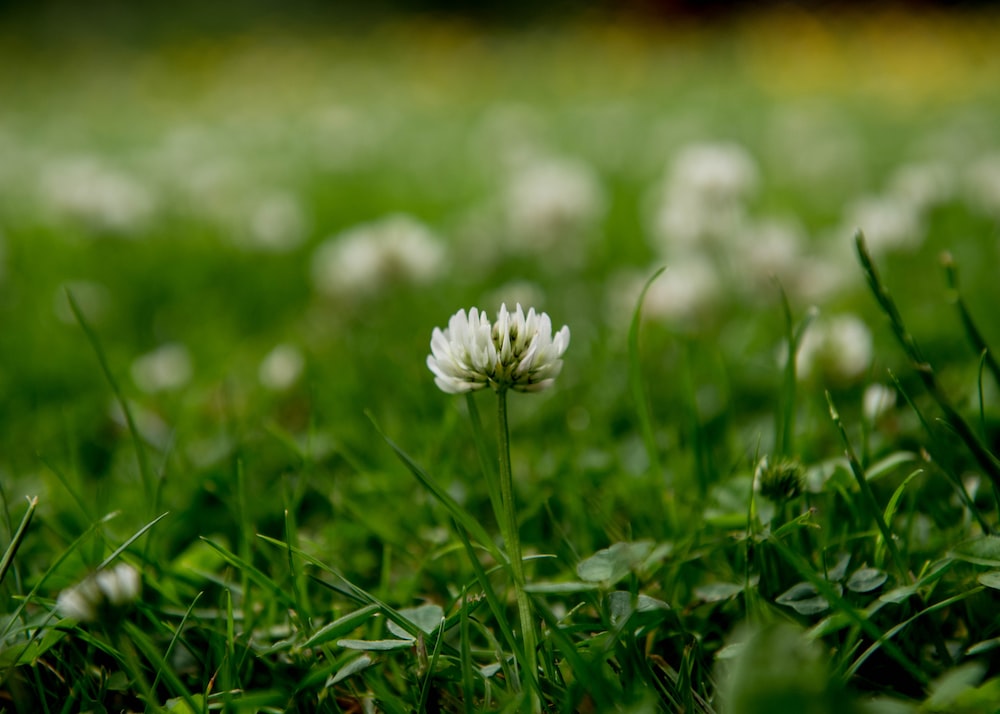
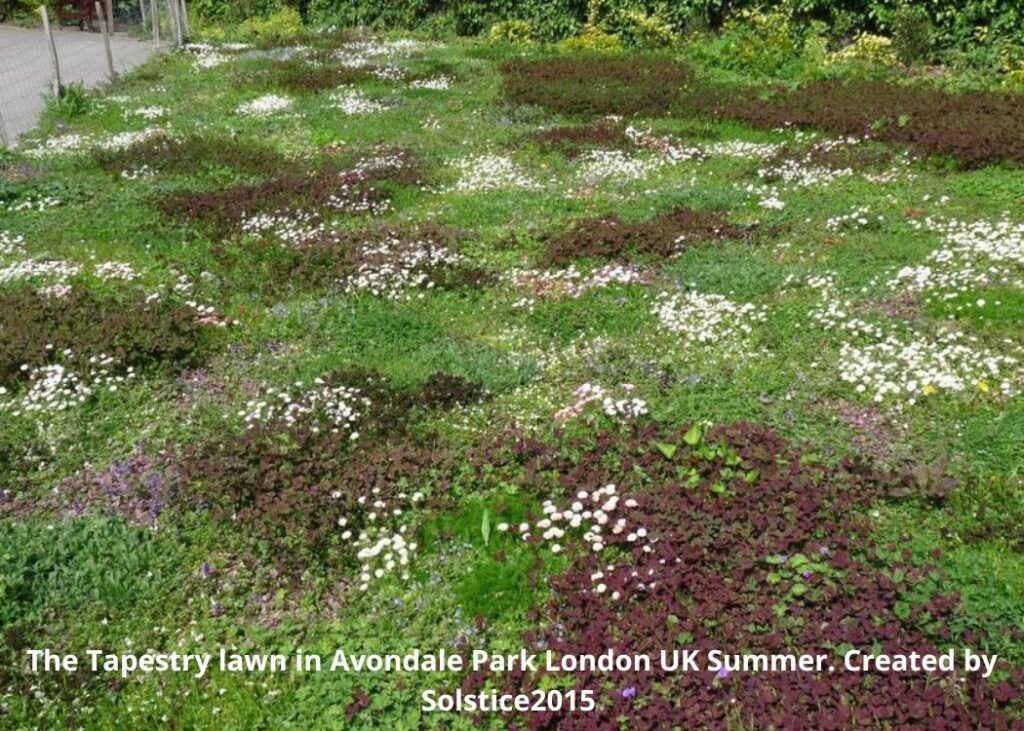
Learn to love them. A weed is just a plant that’s growing where you’d prefer it not to be. And in the case of lawns they’re often wild flowers such as dandelions and daisies, clover and buttercups that not only have their own beauty but also encourage pollinators. The seed of some also
provides food for birds. Chelsea Garden Show this year has four gardens featuring ‘weeds’, among them Cleve West’s Centrepoint Garden which shows how nature heals derelict sites and Tom Massey’s Royal Entomological Society Garden which aims to raise awareness of insects and their importance in gardens. You can find more advice on how to encourage wildflowers in grass here:
https://www.capitalgardens.co.uk/blog/lawn-alternatives-creating-a-wildflower-rich-lawn/
Don’t mess with moss. It absorbs lots of water so helps mitigate the risk of flooding, as well as (surprisingly for a plant that loves damp areas) needing less water to keep it green than grass. It also locks up carbon and, as well as having its own delicate beauty, creates a soft, spongy surface that will provide a luxuriously cool massage for your bare feet as you walk on it in hot weather. And many birds including chaffinches, wrens and long-tailed tits use moss in their nests.
Feeding
Most lawns will grow perfectly well without fertiliser but if you feel yours needs a boost, apply a spring/summer feed. Again, don’t overdo it, follow the manufacturer’s instructions and use the minimum amount required.
Alternatively…
Nitrogen fertiliser – which is used for lawns – encourages the growth of grass at the expense of flowers. Shutting the shed door on grass feed will save time and expense and is the way to go if you’ve decided to opt for a more biodiverse lawn.
A ‘greener’ lawn?
There’s no doubt about the enticing nature of a perfectly smooth, green sward; it invites you to lounge and loaf to your heart’s content, basking in the glorious sunny warmth of summer. You might choose though to lounge on a not-so-perfect lawn and discover that freeing yourself from the labour of intensive care and the need for perfection is really quite liberating. It also gives you more time for other garden tasks. Sharing your lawn with other, non-human inhabitants doesn’t mean you lose it. And there’ll be so much more to idly watch and be entertained by while you loaf as birds, bees and hoverflies take to visiting on a regular basis.








I wanted some information on spring lawn care and came to the right place. This is just perfect all in all.
It’s funny to me that I never considered there are specific months to focus on raking the lawn. Thanks for the much-needed insight.