Blog
Astrantia: Long Flowering Perennials


Astrantia: Long Flowering Perennials
Introduction
Looking for a long-flowering herbaceous perennial to add to your borders? Astrantia, with its starlike blooms, is just what you need. The flowers come in a range of colours including white, green, and shades of pink, red and purple. Astrantia flowers are subtle but oh-so beautiful. Their palmate foliage provides a clean green backcloth to the constellation of starry flowers that float above the leaves on long wiry stems. Established plants will bloom from late spring into early autumn.
A Closer Look
The genus Astrantia belongs to the plant family Apiaceae, the umbellifers. This family includes several culinary plants like carrots, celery and parsley as well as floral favourites such as Eryngium and Orlaya. There are possibly ten species of Astrantia, and they are native to central Europe and the Caucasus. The best known species is Astrantia major, the great masterwort, a cottage garden classic.
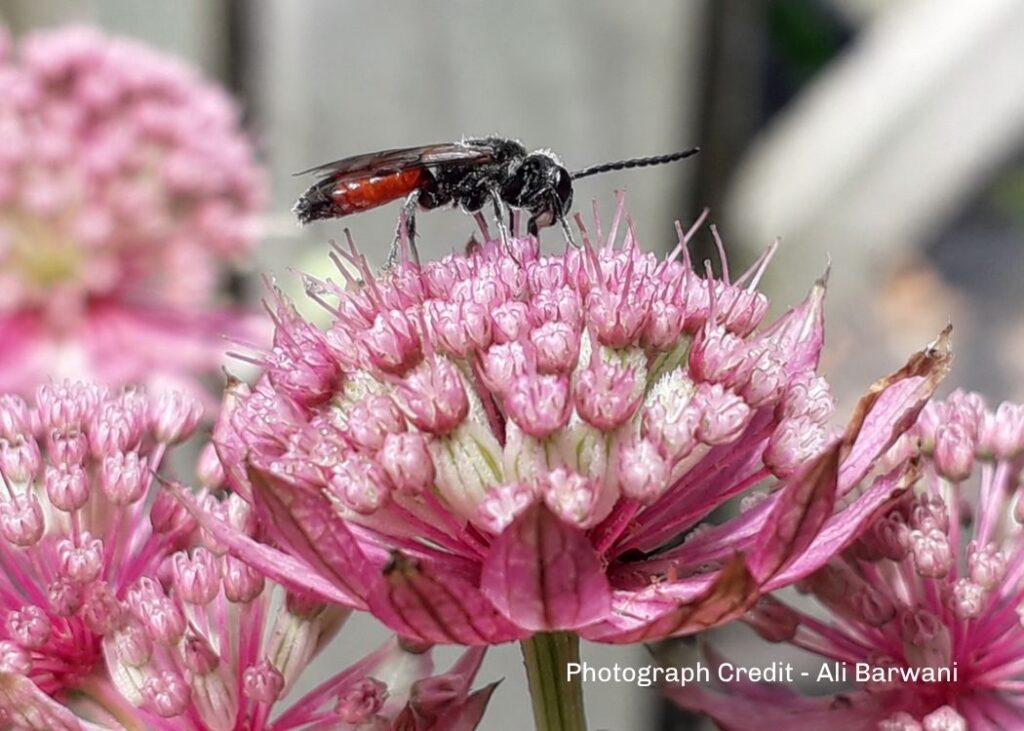
To see their true beauty, you need to look closely at a flower by zooming in on it using your phone’s camera. Inspecting an Astrantia flower is like diving to the bottom of a coupe glass of champagne and being greeted by streams of rising bubbles. Or more prosaically, they are said to resemble a pincushion, hence the common name Hattie’s pincushion. The ‘flower’ is actually a compound umbel, that is to say what appears to be a single flower consists of numerous tiny flowers surrounded by a ruff of papery bracts resembling petals. This Elizabethan comparison is appropriate, given they have been grown in British gardens since Tudor times.
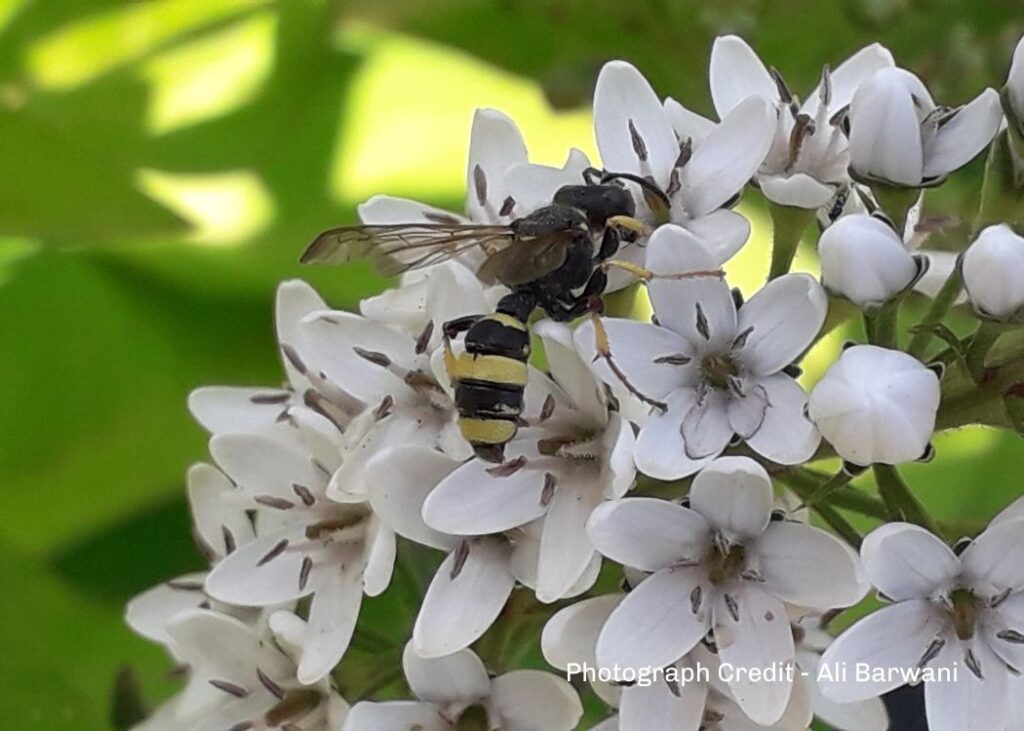
Astrantias not only add impact to any garden, but they are also wildlife-friendly, attracting bees, butterflies, hoverflies, and other insect pollinators. They are easy to grow, making them perfect for both beginner and experienced gardeners alike. Most astrantias are shade tolerant, making them a useful plant for difficult spots in the garden.
Did You know?
Astrantia has long been used in herbal medicine. Conrad Gessner, the 16th century Swiss naturalist and physician, recommended ‘black masterwort’ as a purgative for melancholia and other humors. Another common name given to Astrantia is ‘melancholy gentleman’, a term first used by the English herbalist John Parkinson in 1629.
Cultivation Tips
In general, astrantias prefer dappled shade and a rich, moist soil, making them ideal for partially shaded areas in your garden. I find that the darker red varieties require a sunnier location to perform at their best.
They are slug and snail resistant, so you can enjoy their blooms without having to overly worry about pests.
Be sure to regularly deadhead, otherwise they will set seed and stop producing new blooms. Dead heading has a second advantage which we will touch on later.
Astrantia plants die back in winter but re-emerge in spring. In autumn, after removing damaged and dead leaves it is beneficial to give the clumps a mulch of homemade compost or organic matter to feed and protect the roots.
Propagation
Astrantias are best propagated by division of mature plants while they are dormant, in autumn or early spring. Astrantias resent being disturbed and take time to recover. So, only divide clumps when they become crowded. To do this, simply dig up the plant and divide the root-ball into a few smaller sections. Replant the divisions immediately into the ground or pot them up.
Astrantias grow readily from seed. However, they do not come true from seed. In other words, the offspring will not resemble the parents. This is the second reason for deadheading. Margery Fish, the legendary gardener and garden writer, despaired of trying to keep her astrantias chaste. This is why customers occasionally come in asking why the compact growing purple flowered variety they bought three years ago has turned into a tall white flowered plant. The answer is the original plant has been usurped by a seedling that has taken over the spot!
If you want to raise your own plants from seed then you must sow the seed while it is fresh, and it needs to be cold stratified. In other words, Astrantia seeds need to experience the cold and damp of winter weather to trigger germination. If you don’t mind a bit of randomness, allow them to slowly spread and self-seed into their favourite spots. You never know what new forms you might discover. For example, Piet Oudolf selected the beautiful mid-pink flowered Astrantia ‘Roma’ from seedlings of Astrantia ‘Ruby Wedding’.
Good Companions
I love astrantias because they retain the feel of their wild brethren. However, this means that for some gardeners they are too muted to be stars in their own right. In other words, they are used in a supporting role.
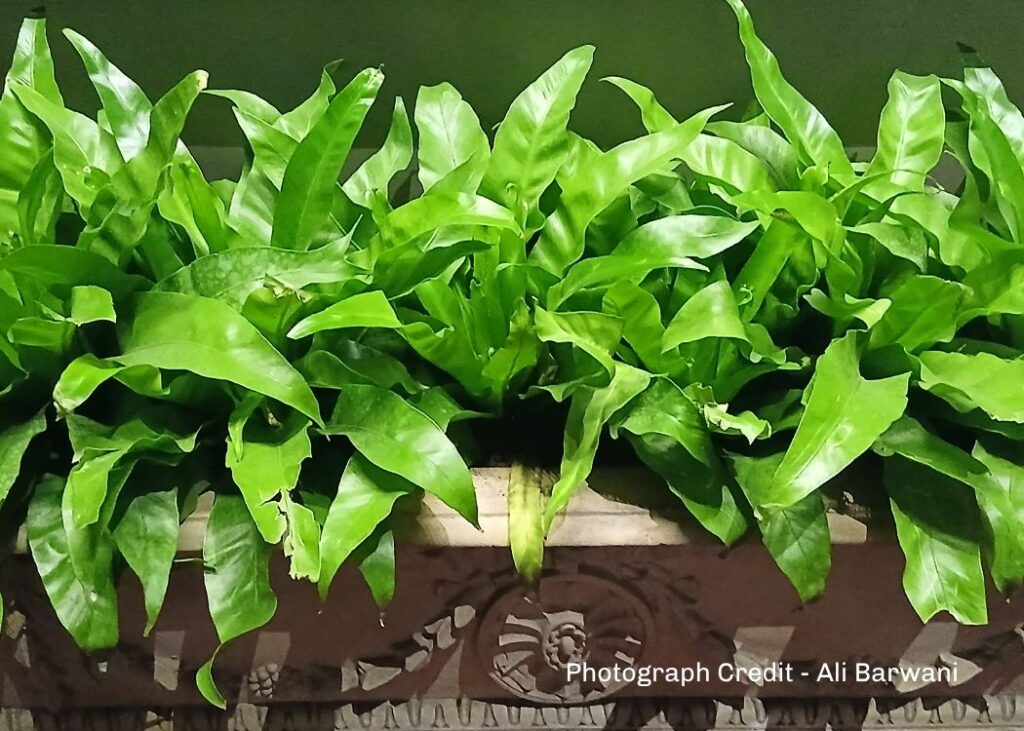
Luckily, Astrantia pairs well with a selection of other plants in the garden to create beautiful associations. Consider planting astrantias alongside ferns, hostas, foxgloves, or other shade-loving perennials for a stunning display. They mingle well with grasses too and can be used as underplants for shrub roses.
In Conclusion
Astrantia are a group of beautiful and easy-to-grow summer flowering perennials that add colour and interest to the garden. With their star-shaped flowers, long flowering season, and wildlife-friendly nature, these plants are sure to delight both you and your garden visitors. So why wait? Plant astrantias in your garden today and enjoy their beauty for years to come!
Further reading:
How to get seeds to sprout
https://growwild.kew.org/blog/seeds-kickstart-growing-process
Plants for partial shade
https://www.gardenersworld.com/plants/plants-for-partial-shade/
Visit Margery Fish’s Garden
https://www.eastlambrook.com/pages/