Blog
Don’t Let Rex Wreck Xmas! Eight pet-friendly tips for safeguarding your Christmas tree

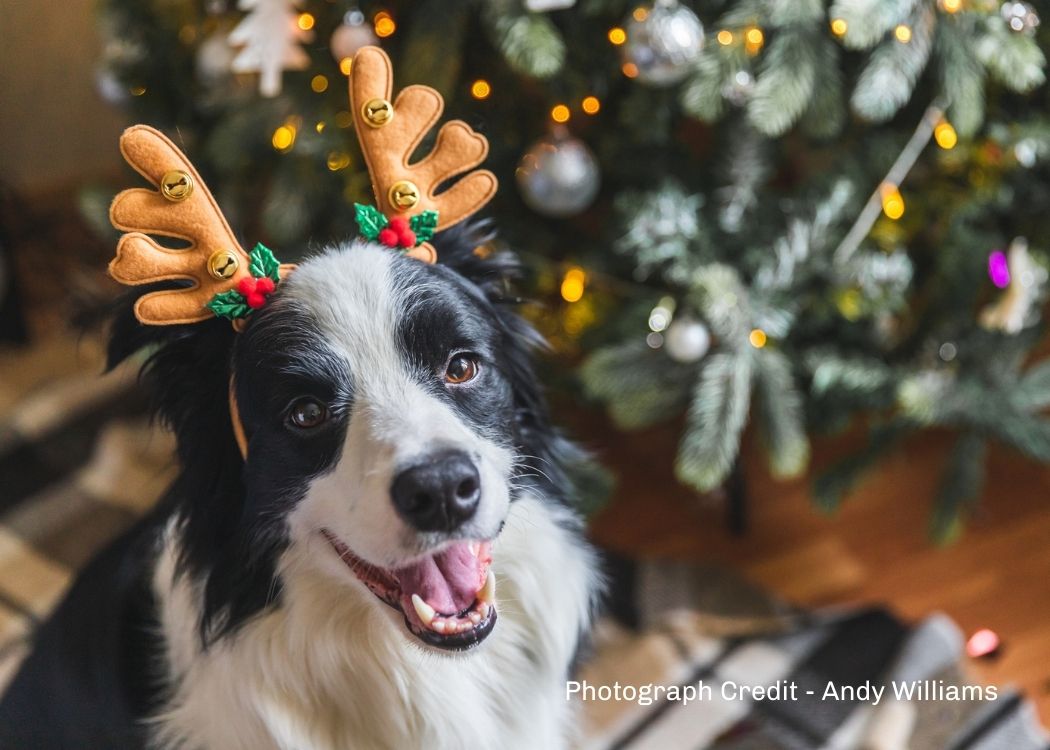
Don’t Let Rex Wreck Xmas! Eight pet-friendly tips for safeguarding your Christmas tree
Christmas is only a few weeks away and of course we want everyone to enjoy the festivities with minimal disruption. The last thing anyone needs is a pet drama to add to the possible commotion caused by the realisation that there aren’t enough potatoes or that Aunt Ada has dropped her hearing aid behind the radiator. But it’s also an occasion when there’s a whole world of temptation on offer for dogs and cats, not just because of the number of delicious refreshments available but around the Christmas tree as well.
Dogs are famed for their super-charged sense of smell and as you’ll know if you have a canine family member, they’re often astonishingly food-oriented too. And young dogs can be terrible chewers even if they’re not particularly interested in food. Teenagers and puppies are also full of enthusiasm and ready to embrace anything that looks as though it might be fun. Cats can be playful, love to climb and explore and seem to be drawn to shiny or dangly objects. They also love to sample things that aren’t necessarily good for them!
So to help you avoid unwanted anxiety and trips to the vet, we thought we’d give you a few tips on how to keep your tree – and your pets – safe this Christmas.
Adopt a pet-friendly decorating technique
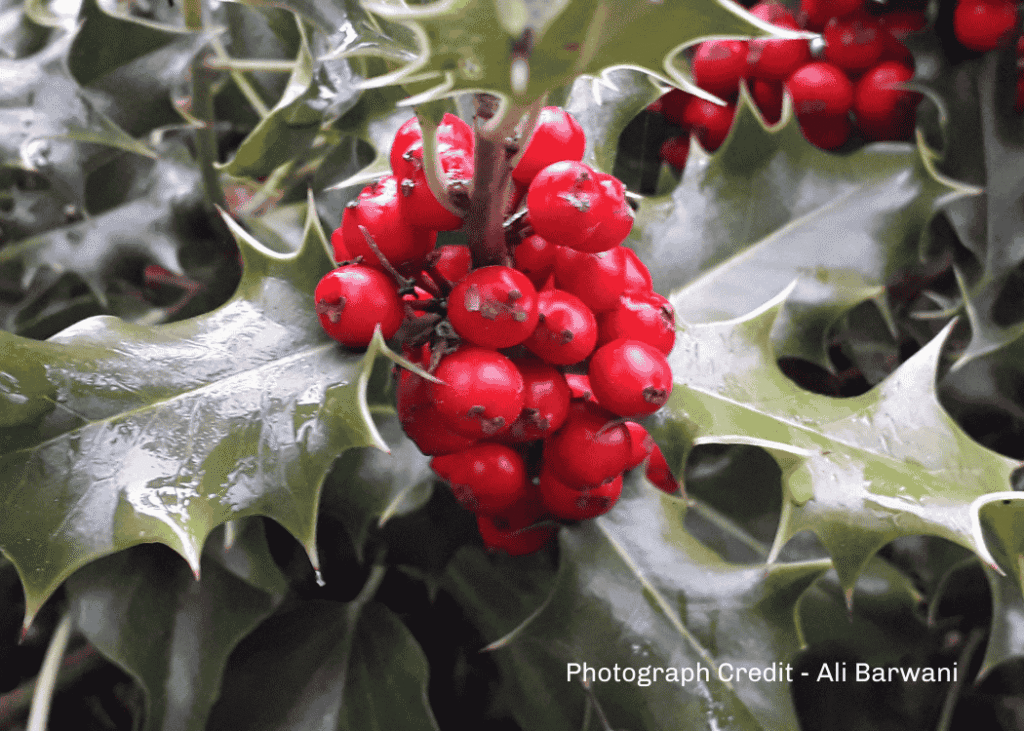
Avoid hanging chocolates on the tree; they’re poisonous to both dogs and cats. And pieces of tempting tinsel and sparkly baubles, if swallowed, can cause serious problems such as blockages and internal cuts. Hanging your decorations up high reduces the possibility of pets seizing the opportunity for an illicit nibble. Fairy light cables can also be a chew hazard, so keep them as far out of reach as possible. (Poinsettia, holly, mistletoe and ivy, too, are all to some degree toxic to dogs and cats.)
Keep tree water covered if you can
It’s important to keep your Christmas tree hydrated but pets may be drawn to the water. For dogs particularly it seems that the most revolting (to us) muddy puddle is much tastier than the nice clean water in their bowls at home. Tree fertiliser is definitely bad for pets and in fact there’s no need for it. But tree sap can also leach into water and this could cause an upset stomach.
Choose a non-drop tree
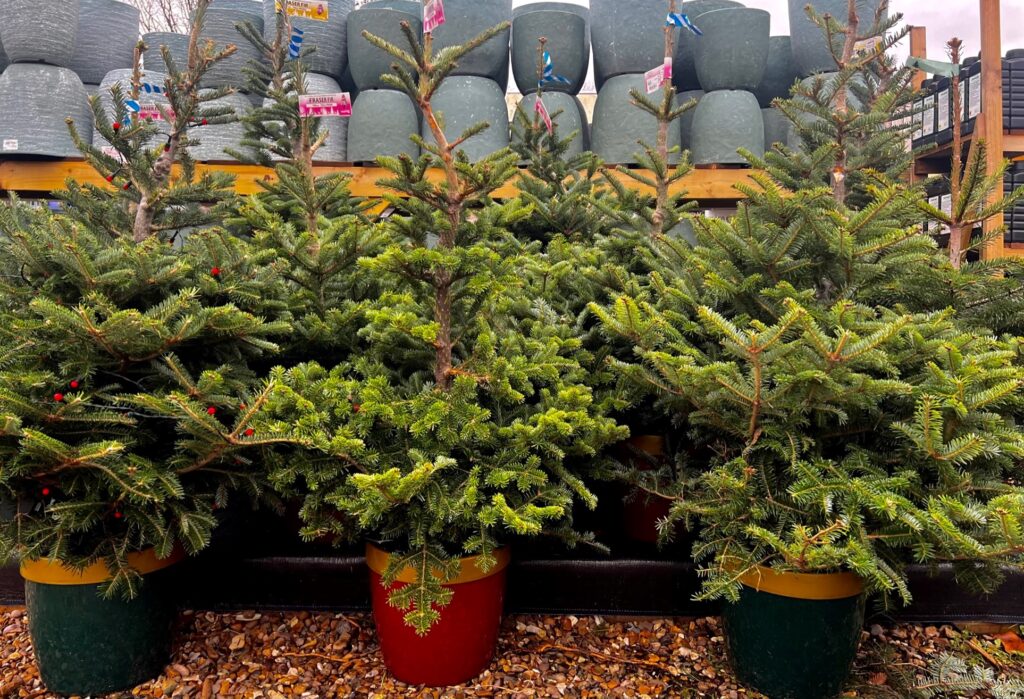
Sharp tree needles can get stuck, splinter-like, in paws and if licked up by a hoovering dog or curious cat may cause a mild stomach upset or possibly some internal damage. ‘Non-drop’ trees such as Nordman and Fraser Firs have good needle retention and keeping water topped up and placing the tree away from heat sources such as radiators will help it to keep its foliage.
Don’t put the presents out until the last minute
Dogs are easily able to sniff out potential snacks even when carefully wrapped. So it’s wise to keep gifts somewhere secret for as long as possible before you put them under the Christmas tree, especially if they contain surprises that include chocolate, raisins, sweeteners (xylitol, aspartame, and stevia) and macadamia nuts. All are poisonous to pets. Even non-toxic foods such as cheese, eaten in large quantities or if your pet is unused to them, can cause the sort of problem that might put you off your lunch. Pets have a mystifying lack of understanding that the gifts are for your human loved ones, not them, especially if appetites have been whetted by the tantalising aroma of roasting turkey.
Choose a solid tree base
Heavy tree bases will help to stabilise the tree, making it less likely to be toppled by an excited, bouncing dog or mountaineering cat.
Give them something else to play with
Distraction works with children and animals! Providing alternative entertainment for your dog or cat can go a long way towards preventing disruptive behaviour. If you don’t feel able to buy anything else at this expensive time of year, why not have a go at making your own? You could get your children involved; it’ll give them something creative to do and keep them off their screens for a while too.
https://www.bluecross.org.uk/advice/pets/diy-pet-toys
Place a guard around the tree
This may sound a little over the top but if you or a member of your family enjoy a spot of indoor construction, or if you happen to have an old playpen hanging around, it’s a good extra precaution. A perimeter fence is unlikely to be much of a deterrent to cats but they may be put off by orange or lemon peel, sprigs of rosemary or even citrus-scented spray around the base of the tree, all of which will add to the Christmassy smell generated by the tree itself. Placing your tree away from furniture – a climbing aid – may also help.
Supervise your pet and try to ensure she or he isn’t left alone in the room with the tree
Prevention is always better than cure!
You’ll find more advice on how to keep everyone safe and happy this Christmas here: https://www.rspca.org.uk/adviceandwelfare/seasonal/christmas/petsafe
For many of us, Christmas wouldn’t be Christmas without a tree in the corner, lights atwinkle. Having read all this you may be feeling a touch concerned about your Yuletide centrepiece but there’s really no need. By taking just a few practical steps, you can help the festivities run smoothly, without canine or feline hitches.