

Blog
Mulches and mulching

Mulches and mulching
As autumn makes its presence felt, you may be feeling that it’s time to begin putting the garden to bed for winter. Many hibernating creatures wrap themselves up in a cosy, protective layer and garden plants are not much different, benefitting from an extra covering to protect their roots from the cold. Mulching, a simple but worthwhile garden job, does this and a whole lot more too.
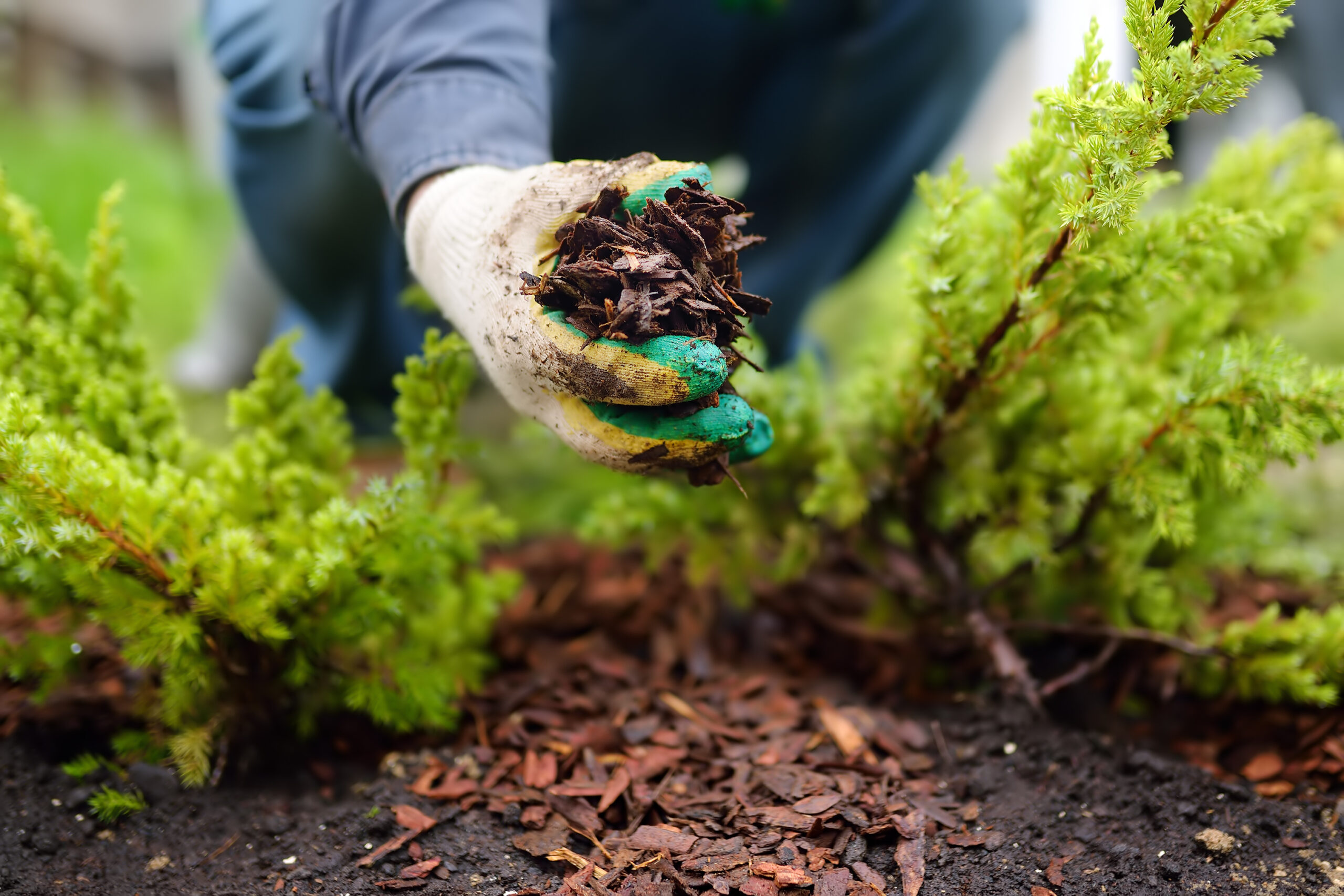
Let’s delve, first of all, into what a mulch is. Essentially it’s a layer of material placed around plants and over the gaps in between, used in beds and borders and on the tops of containers. This material can be biodegradeable or non-biodegradeable. Depending on what you use, mulching keeps in warmth and moisture, helps rain penetrate soil in winter and prevents surface erosion, suppresses weeds, provides insulation, improves soil structure, boosts soil fertility and adds a decorative finish. Sounds too good to be true? It isn’t!
Biodegradeable mulches include wood/bark chippings, compost, straw, well-rotted manure and even seaweed.
Non-biodegradeables include gravel, pebbles, slate and glass chips.
Improving soil structure and adding fertility
A biodegradeable mulch is one of the gardener’s best friends because, amongst its many other virtues, it makes for a much healthier growing medium. As they break down and are worked into the soil by worms, other micro-organisms and rain, straw, compost and manure release nutrients, acting as a sort of slow-release fertiliser. The particles also help clay soils to drain more easily and improve the water-and nutrient-holding capacity of sandy ones. Healthier soil also tends to contain more, and a wider range of, micro-organisms and these can help protect against diseases that damage plants.
Both biodegradeable and non-biodegradeable mulches can be used for:
Insulating soil
In autumn the soil should still be warm and a layer of mulch will help retain this heat, giving plants a helping hand as the weather becomes colder, keeping the roots warm, protecting them over winter and giving them a head start in spring. In summer mulches will have the opposite effect, preventing roots from getting too hot.
Helping to keep soil moist and prevent run-off
Mulching helps to prevent evaporation of water from the soil during hot, dry spells, reducing the amount of watering you’ll need to do. On the other hand, heavy downpours can be a problem whatever the season as torrential rain has a habit of simply running off the surface of the soil, potentially contributing to flooding and washing away the soil surface along with valuable nutrients. Mulching also prevents a crust from forming on the soil surface or on the top of compost in pots. Crusts reduce the amount of oxygen and water reaching the roots of plants so are best avoided.
Suppressing weeds:
Keeping horticultural intruders at bay is another benefit of mulching. This works in two ways. It acts as a barrier against weed seeds settling on the surface of the soil and helps block out light as well, deterring existing seeds from germinating.
Adding a decorative flourish:
A mulch also completes and adds character to the appearance of beds, borders and pots. A top dressing of gravel, glass chips or shells on the surface of containers not only makes them look neater but stops any loose soil from splashing up onto plants when you water too. For shade and woodland plantings, bark chippings are the ideal finishing touch.
https://www.gardenersworld.com/how-to/maintain-the-garden/mulches-and-mulching/
The mulching season
Spring and autumn are the best times to mulch. Mulching in spring, for instance, is perfect for keeping weeds away. An autumn mulch, however, will break down and be washed into the ground over winter, providing a rich environment and encouraging plants to spring into action as the growing season begins. It will also help keep out the cold. Regardless of the time of year though, mulching new additions to your garden will help them establish.
Compost and well-rotted manure break down relatively quickly so are ideal for vegetables and herbaceous perennials. Bark chippings take longer and also use up some of the soil’s nitrogen as they do so. This means they’re better used for established trees and shrubs.
How to apply – dos and don’ts
Do:
- Clear away weeds before laying your mulch
- Use enough material. Biodegradeable mulches need to be between about 5 and 8cm (2-3 inches) thick to be effective.
- Leave a small gap around the stems of woody plants to avoid rotting
Don’t:
- Mulch on frozen ground.
Easy and immensely satisfying, mulching is one of those garden tasks that allows you to really see what you’ve achieved. Healthy roots are vital for healthy plants and these strong roots need a growing environment that nurtures them. Mulching is an investment in the conditions and quality of your soil; this means it’s an investment in your plants from the ground upwards too.
And if you’d like to know more about roots and the root zone, have a look at our blog: www.capitalgardens.co.uk/blog/the-root-zone/








I’d like to learn the benefits and reasons why a lot of gardening companies use spent mushroom as a mulch layer at this time of year instead of woodland shredded bark which I normally use. Thank you.