

Blog
Five summer-flowering bulbs

Five summer-flowering bulbs
Jungly and exotic-looking with large, lush leaves, refined, chic and leggy or vivacious and fabulously-scented, glorious summer-flowering bulbs are a gift to the garden, whatever its style or size. Although many prefer bright, sunny conditions, some do thrive in part-shade so can be enjoyed by those of us with darker spaces. Spring is the time when most prefer to be planted.
Some won’t withstand frost so need protection over the cold season but they’re absolutely worth the effort and, for many, the ritual of putting plants to bed for winter is integral to the joy of gardening. Our five of the best aren’t all bulbs in the strict botanical sense of the word, but all have bulbous underground parts that store food. Their foliage dies down once their season is over but will re-emerge as the days lengthen and become warmer again the following year.
Gladioli
Glamorous glads, famed favourite of flamboyant Aussie housewife Dame Edna Everage, love a sunlit spot and well-drained soil. Tall spires of funnel-shaped flowers are framed by long, sword-shaped, upright leaves, and in rich jewel-like colours as well as pastel pinks, corals and lemon, they make impressive cut flowers in a tall glass vase. They’re at their best in swathes or scattered and woven between smaller herbaceous perennials.
Gladiolus murielae (the gladiolus formerly known as acidanthera) is my favourite. Slightly fragrant, its delicately pointed petals are ice white with dark burgundy bases. G. ‘Green Star’ has lime green, ruffled flowers while G. ‘Purple Flora’ is a rich, deep amethyst.
Many aren’t hardy but fuss-free, magenta-flowered G. communis subsp. byzantinus will cope with temperatures between -15 and -10 degrees C so can safely be left in the ground over winter. Combining beauty and practicality, it’s the perfect gladiolus for beginners or time-poor gardeners.
Mid-late summer flowering hybrids can be planted outdoors in mid-April and May. Others, such as G. nanus, which flowers slightly earlier, are less tender and can be planted in the ground from mid-March to mid-April. Feed with tomato food when flowers begin to appear.
Traditionally, non-hardy varieties have been lifted before winter and stored dry in trays under cover. However, those who live in milder parts of the country and aren’t too risk averse may want to try leaving them in the ground over winter covered with a thick mulch of bark. Alternatively grow in pots and store, without watering, in a frost-free place until late spring.
Lilies
There are two main types in this large group of hardy, exuberant plants:
Oriental lilies have large, headily scented flowers and are usually white or pink. They need an acidic growing medium, so plant in pots using ericaceous compost if you garden on neutral to alkaline soil.
Asiatic lilies aren’t fragrant but will thrive in neutral and alkaline soils. They also bloom in a far greater and more exciting range of colours, including oranges and yellows.
Thankfully there are now hybrids which give the best of both worlds. Happy on all soils, some are scented too. Tall lilies with heavy flowerheads may need staking.
Beautifully fragrant Lilium ‘Tigermoon’ is white with dark copper speckles and a wide, pale yellow stripe marking the centre of each petal. ‘Touchstone’ is also highly scented and has candy pink petals touched with lime and white at the base. ‘Dark Secret’ has no scent but plenty of drama with deep plum petals and dark orange stamens.
Most are sun lovers but martagon and other Turk’s cap lilies are happy in dappled or part-shade where they often naturalise. They’re a delight, with nodding flowers on tall stems and delicate-looking petals that fly back to reveal the prominent stamens. Often speckled, they offer a wide range of colours from wine pink and fuschia to burnt orange, golden yellow and cream. With smaller, less blowsy flowers than other lilies, they can still add height to beds and borders, growing to about 1.5m. They look magnificent planted in groups and grow on neutral to alkaline soil.
Use deep pots if planting in containers. As they’re hardy they’re content to stay outside all year but make sure the soil or compost is well-drained, adding grit when planting if necessary. Lilies hate having cold wet feet in winter. There’s just time to plant them – they should be in by early April. You’ll find two videos on their planting and care here: https://www.gardenersworld.com/how-to/grow-plants/how-to-grow-lilies/
Look out for lily beetle, a voracious pest and the lily lover’s sworn enemy. Bright scarlet as if to warn of the danger they present, they also have a sneaky tendency to drop off the plant when humans approach. Check for their eggs and larvae on the undersides of leaves as a preventative measure.
Hedychiums
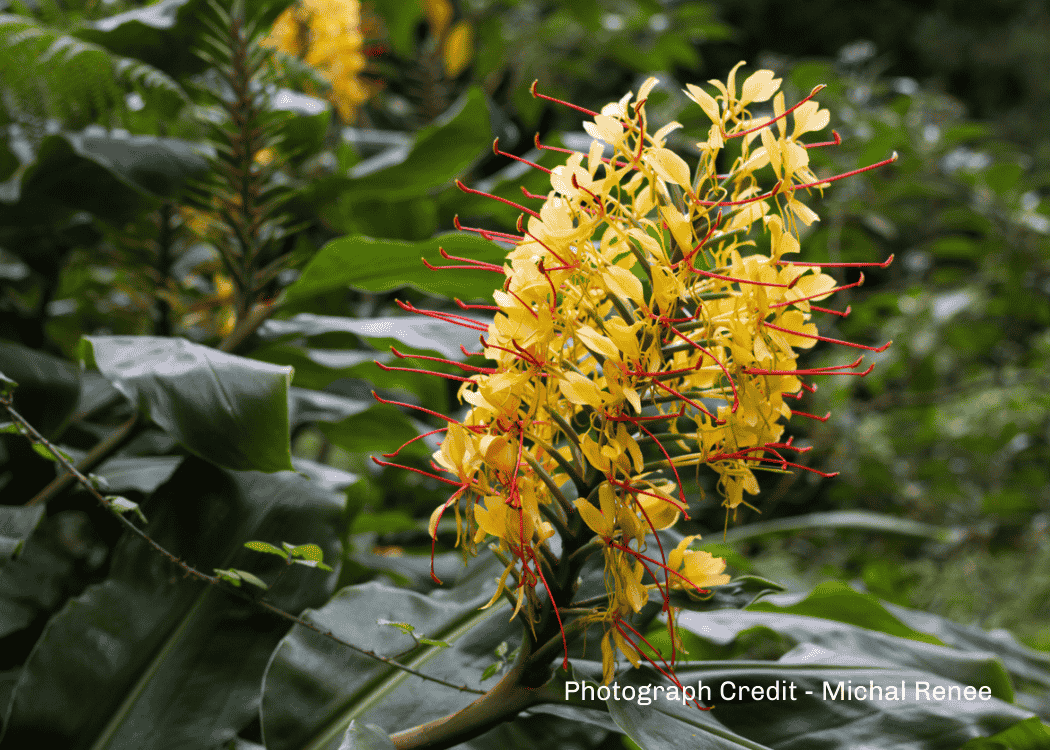
At 2-3m tall and deserving of a prominent place in tropical borders, ginger lilies have towers of unusual, spidery flowers in tangerine, coral, yellow or white and lush, strappy leaves. The blooms have a spicy fragrance and appear from late summer to autumn. Most aren’t hardy but can be protected during the cold season either by mulching thickly or bringing under cover. They enjoy sun or part shade and humid conditions in moist but well-drained soil. A sheltered spot next to a wall is ideal.
Plant in a greenhouse in spring and then move outside, or place directly into the ground in late May. Position the rhizomes just below the soil surface; like paeonies, they don’t like to be too deep.
Tangerine Hedychium ‘Tara’ is hardy to -10 to -5 degrees C, while H. densiflorum is an early performer, flowering from early July to August. Tongue-twisting H. gardnerianum has sherbet yellow flowers with scarlet stamens.
Eucomis
Spikes of star-shaped flowers capped with a quirky headress of leaves are to thank for eucomis’ common name – pineapple lily. Lime, white or lilac flowers appear during summer and early autumn and are offset by lush, strappy leaves at the base.
Originating in South Africa, these plants like a sunny spot and well-drained soil.
Eucomis comosa ‘Sparkling Burgundy’ delights with lilac flowers and burgundy-tinted leaves. Although eucomis aren’t generally frost hardy, tall E. pallidiflora tolerates temperatures of between -15 and -10 degrees C and E. bicolor will cope with – 10 to – 5. It has prettily spotted stems too.
Plant under cover in pots in March or outdoors in late/April to early May, adding grit to compost and planting holes for extra drainage. Mulch tender varieties thickly in winter to protect from the cold or lift and store in trays. Those in containers should be moved to a frost-free place.
Begonias
Unsophisticated yet immensely cheerful, the exuberant blooms of tender tuberous begonias are on show throughout summer and into autumn in yellow, red, orange, pink and white. Dismissed by some as too ostentatious, they’re nevertheless an invaluable addition to gardens for their long flowering period and the fact that they do extremely well in part-shade. In fact, they prefer it. Several have a trailing habit too so are perfect for window boxes and hanging baskets. Trailing forms include Begonia ‘White Cascade’ and B. ‘Yellow Cascade’.
Plant the tubers, hollow side up, in seed trays in March and April and keep them at 18 degrees C or above until the leaves begin to sprout. Then pot them on into individual containers and gradually harden off before transferring outdoors in May. They can also be planted directly outside in mid-late May, when the danger of frost has passed, but if started off indoors will have a longer flowering period. Lift them in autumn to store in a frost-free spot over winter.
https://www.rhs.org.uk/plants/types/bulbs/planting
We may not have all the plants listed in stock but our staff will be happy to suggest alternatives.
Planted en masse, summer-flowering bulbs add swathes of colour to beds and borders. In containers too, they add zest and vitality to patios, balconies and small gardens. While many are sun lovers, others prefer to retreat to cooler, shadier areas, so choose whatever works in your outdoor space and enjoy all that they have to offer.







It would be really helpful if you had picture on this blog. You are talking about flowers – summer bulbs – but no images to reference.