Blog
March in the garden


March in the garden
As the days begin to lengthen and the weather starts to warm up, March is the perfect time to get back out in the garden and begin preparing for the growing season ahead. It is no coincidence the March is the month when Gardener’s World returns to the nation’s TV sets. So, here are some essential gardening jobs you can tackle this month.
Seed Sowing
March is the ideal time to start sowing seeds. Whether you’re planning to grow flowers, vegetables, or herbs, getting your seeds planted early will give them plenty of time to establish before the warmer weather arrives.
Top tip: check seed packets for specific planting instructions. For example, some seeds need to be started indoors to give them the ideal start. Aubergines, cosmos, peppers, tomatoes, and petunias are some seeds that you can start off indoors on a warm windowsill in March.
Lawn Care
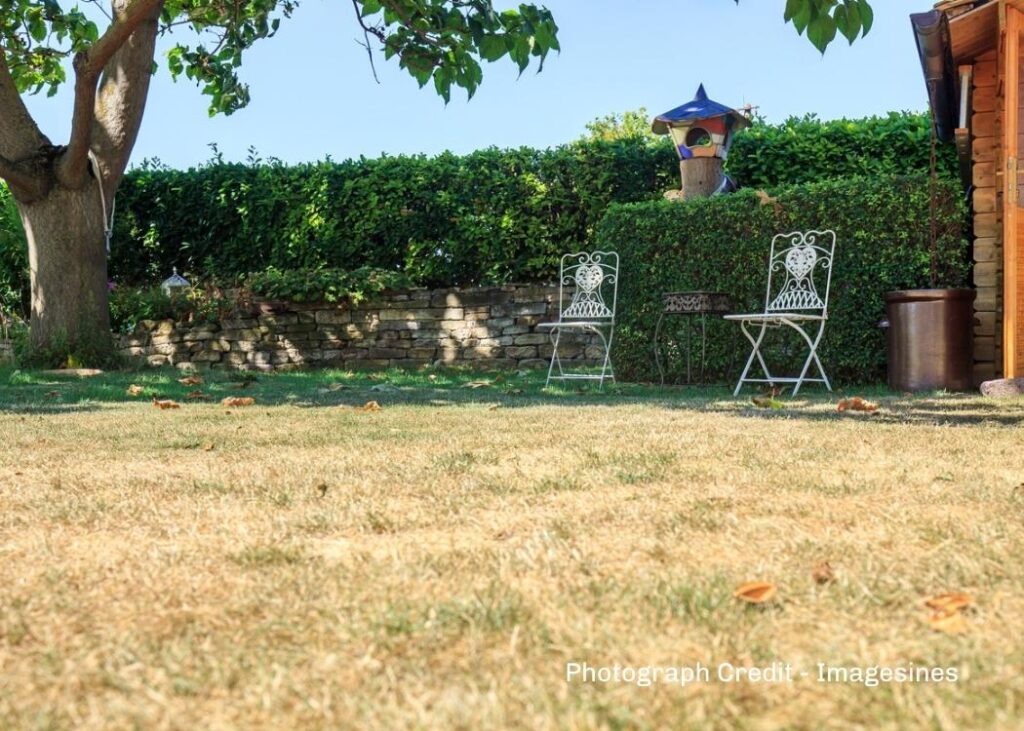
After a long winter, your lawn may need some TLC. March is the perfect time to give your lawn a good rake to remove any dead grass, moss, wormcasts, and fallen debris, as well as aerating the soil to improve drainage and encourage healthy growth. If you have any bare patches you can level and reseed them.
Expert Tip: don’t be tempted to fertilize your lawn even if it is looking sad. Feeding your lawn in March promotes lush growth that will be shrivelled and killed if night frosts return. Better wait until mid-April before applying lawn fertilizer.
Read more about spring lawn care:
https://www.capitalgardens.co.uk/blog/spring-lawn-care/
Rose pruning
If the soil is not frozen then planting a pot-grown rose in March will give it a head start on one planted in summer. This also holds true for other pot-grown shrubs and trees.
Modern bush roses can be pruned in mid-March. The first stage of rose pruning is to remove any dead, diseased or dying shoots. Then take out any weak stems, and those causing congestion to open up the centre of the bush. The final stage is to reduce the length of the main stems, cutting them at about 1cm above an outward facing bud.
Vegetable Planting
Now is the time think about planting vegetables in your garden. March is the perfect time to plant cool-season crops like lettuce, kale, and spinach, as well as early varieties of carrots, radishes, and peas. Be sure to prepare your soil by adding plenty of composted organic matter. If the weather turns cold again then consider using fleece or plastic bell cloches to protect your young plants from hard frosts.
For further details about vegetables that you can start growing now:
https://www.capitalgardens.co.uk/blog/vegetable-seeds-you-can-start-sowing-now/
Plant Summer Flowering Bulbs
For a riot of colour in your garden in late summer, consider purchasing summer-flowering bulbs such as dahlias, gladiolus and Eucomis now, while the bulbs are still available. Bold and beautiful dahlias come in a wide range of colours and sizes, making them a popular choice for gardeners. Summer flowering bulbs can be started off indoors in pots towards the end of March and during April if you have a warm spot for them, such as a sunny windowsill or a heated conservatory. This will give your plants a head start. Dahlias can only be planted outside in the soil after the risk of frost has passed. Plant out your dahlias in well-draining soil in a sunny spot in your garden. And for the best results make sure to water and feed them regularly and provide support as they grow.
Alternatively, if you lack any suitable inside space to start dahlias off early, you can plant them directly into the soil from May onwards once the soil has warmed up. However, they will be later to start flowering than those started earlier under protection.
For more information about growing summer flowering bulbs:
https://www.theenglishgarden.co.uk/gardening-advice/seasonal-tips/how-to-grow-summer-bulbs/
Flowering Now
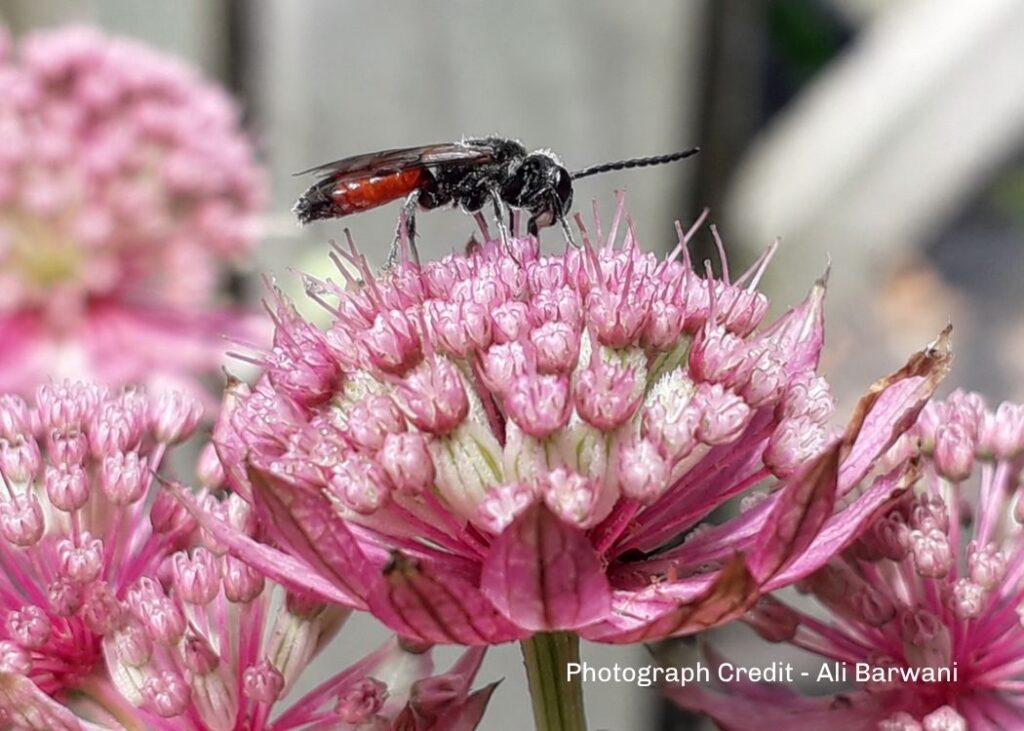
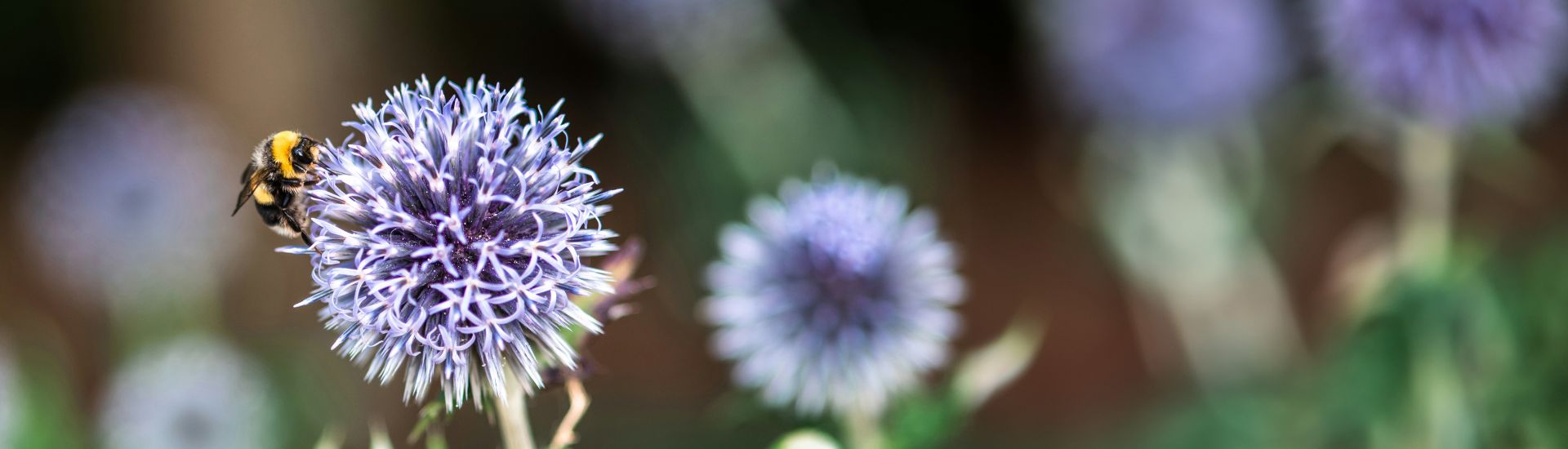
March is the month to enjoy the beautiful blooms of early spring, like daffodils, camellias, Chaenomeles, Forsythia, and hellebores. These flowers provide welcome colour after the long winter months, bringing joy to the garden. We are now in peak hellebore season – another week and they will begin setting their seeds. Do take time to observe the ephemeral flowers of spring. I enjoy observing the bees and other pollinators visiting my Pulmonaria, primrose and Anemone blanda flowers, these plants provide much needed nectar and pollen for early pollinators. Being in nature in the garden helps us heal.
Be sure to deadhead the spent blooms on your daffodils to prevent them putting their valuable energy and resources into this year’s seed production rather than next year’s flowering. Once daffodils and narcissi have finished flowering start applying a high potassium plant food, such as tomato food at weekly or fortnightly intervals up until the time the foliage starts turning yellow. Never tie up or cut their green leaves to make them look tidy – you will starve the bulbs.
Conclusion
With spring just around the corner, March is a busy month in the garden. By starting to tackle these essential gardening jobs now, you can set yourself up for a successful growing season ahead. So, grab your tools and get out in the garden. Your plants will thank you for it! Don’t get overwhelmed by the list of jobs. Tackle each job one at a time when you have the time. Remember, gardening is a labour of love, so enjoy the process of gardening and you will savour its rewards in summer. Happy gardening!
Furth reading: Flowers to pick for March:
https://www.gardenersworld.com/plants/flowers-to-pick-in-march/