Blog
July in the Garden

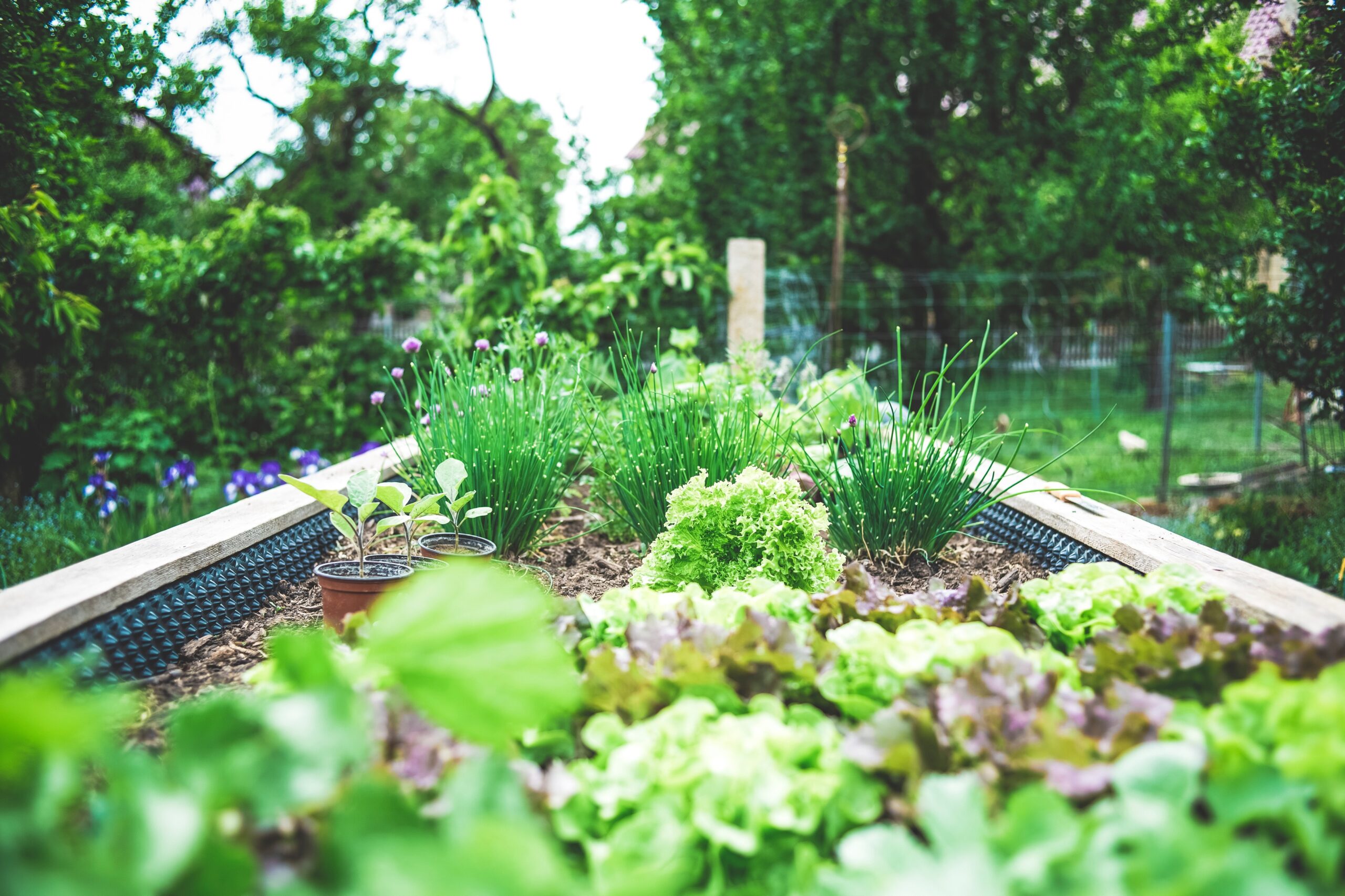
Ali Barwani celebrates the beauty of the garden in July, and also looks at some jobs that need to be done.
July in the Garden
Introduction.
I have to concur with Roald Dahl when he wrote, ‘If I had my way, I would remove January from the calendar altogether and have an extra July instead.’
July is the hottest month of the year, and yet there is plenty of work in the garden needing to be done, so an extra July would come in handy!
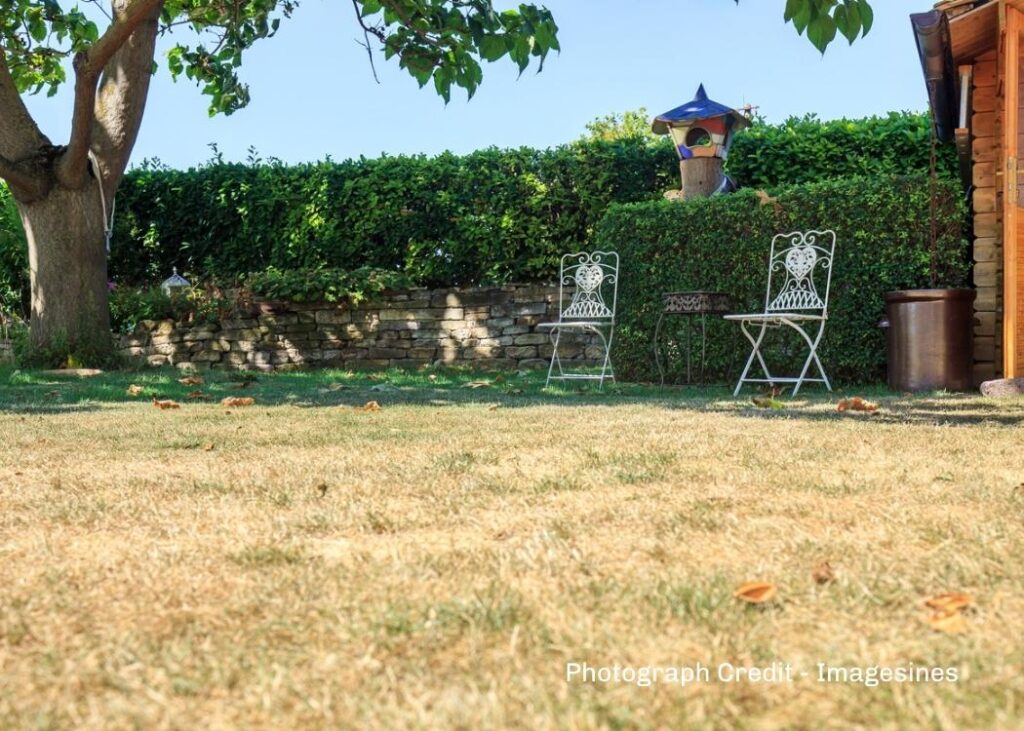
According to provisional Met Office figures, June 2023 has the highest average mean temperature in the UK since records began in 1884. June was sunny, but it lacked that soft midsummer rain, so gardens already look frazzled. The intense colours are there, but not the green lushness we usually expect.
The good weather we had in April and May, along with the heat of June, has brought some plants forward in the garden. For example, many repeat flowering roses have already gone over early.
This week, on a visit Kew Gardens with my colleague Dan, we noticed in a front garden, a two storey-high Loquat (Eriobotrya japonica) laden with voluptuous orange fruit. This serendipitous discovery, only made because we had to walk from Gunnersbury tube station due to signal failure, shows just how warm the year has been.
In the flower garden.
Now, before the gusts and heavy rains of autumn, is the time to stake and support anything that might get battered and weighed down. Hopefully the torrential rain we experienced on Tuesday evening hasn’t already transformed your garden into a disaster zone!
Don’t neglect your flowering plants – watering and feeding them encourages flowers to continue blooming for longer and promotes the production of new buds.
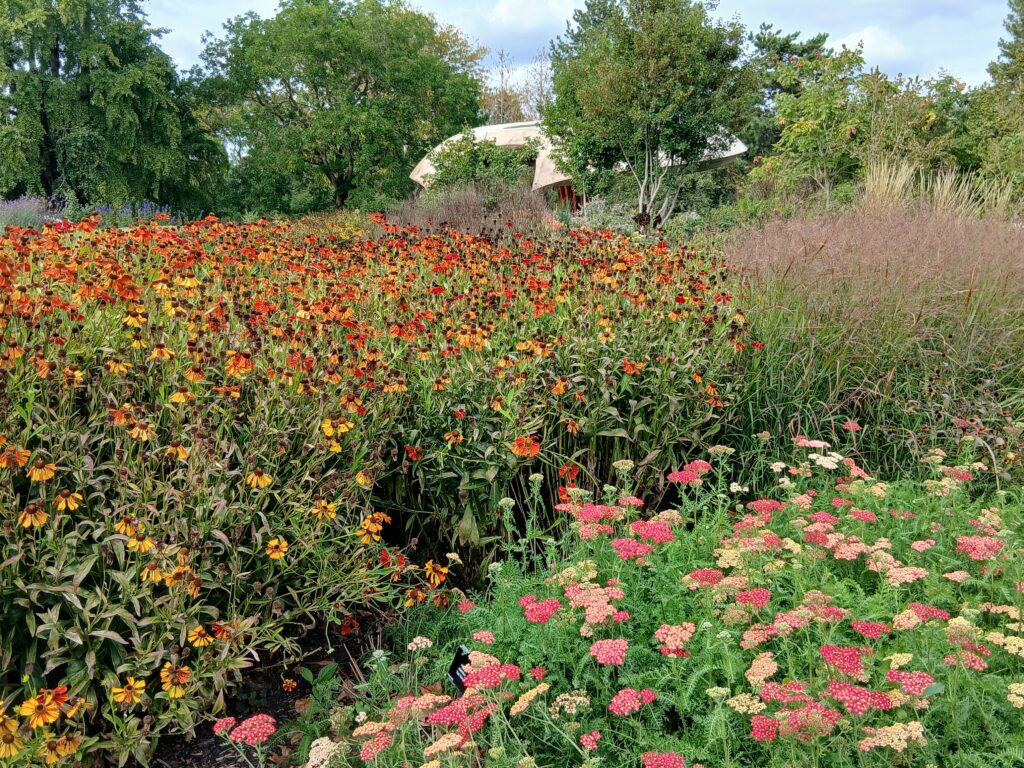
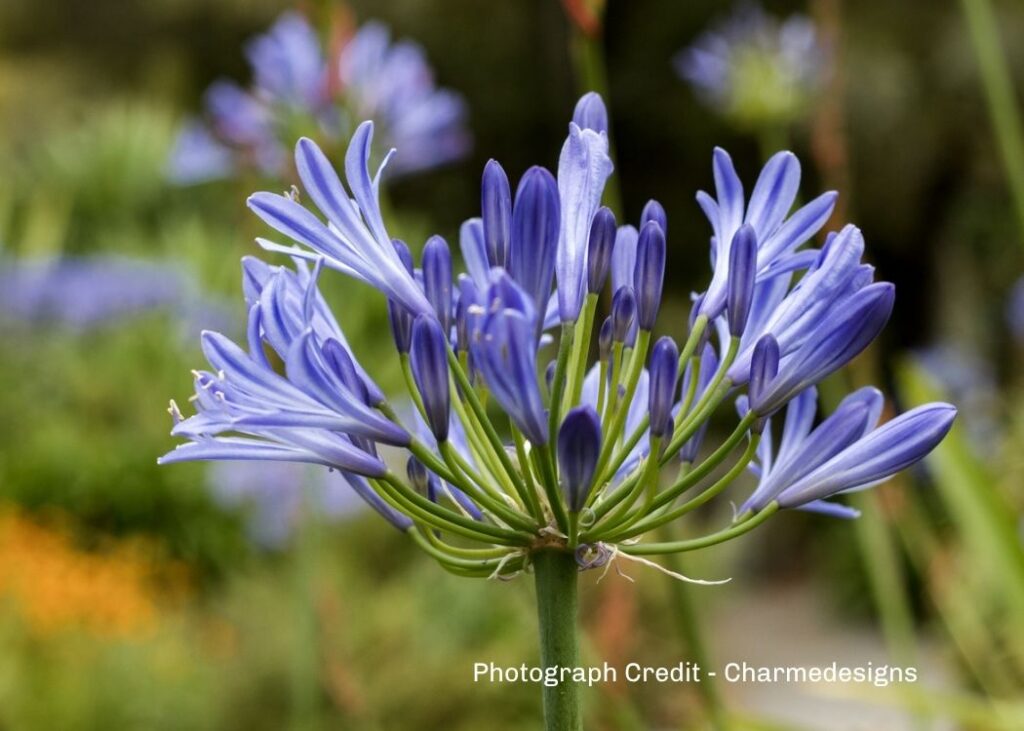
Plants from hotter climes thrive during these long warm days, even though the evenings are starting to draw in, albeit slowly. Summer perennials such as agapanthus, alstroemerias, cannas, dahlias, daylilies, echinaceas, rudbeckias, and salvias are starting to gear up into flowering, injecting fresh colour into flower borders.
Annual sunflowers are approaching their full height and beginning to bedazzle the bees with their magnificence. Other annuals coming on well include cosmos, tobacco plants (Nicotiana), Mexican sunflower (Tithonia), and Zinnia. Summer flowering corms and bulbs, for example Crocosmia and gladioli, are also starting to peak.
Plants in containers need careful attention. It is important to regularly feed plants in pots because the compost will be exhausted by now. A weekly application of a liquid plant food high in potash will help boost root and flower formation.
Any pots that have been neglected and allowed to dry out should be looked after. If the compost has shrunk away from the sides of the pot it is best to pack the gap with fresh compost. This will prevent any water given from simply running down the sides of the pot without soaking into the soil.
Regular deadheading of summer bedding, as well as repeat flowering roses and herbaceous perennials is vital. Deadheading helps to keep the flowers coming for as long as possible. It is a simple and satisfying job to do – pinch or cut the flower head off at the base of its stem rather than simply nipping off the flower head alone.
Time for a haircut.
Early flowering perennials such as delphiniums and hardy geraniums, for example G. rozanne should be cutback in July when they have finished flowering. This will encourage fresh growth, and hopefully reflowering in early autumn. A second benefit of doing this is that it frees up space in the flowerbeds for adding tender annuals and perennials to keep your displays bursting with colour and interest.
Perennial herbs such as chives and marjoram also need to be trimmed now. They will produce a fresh flush of tasty leaves within a couple of weeks.
The long whippy shoots on wisteria should be cut back to about 20cm from the main branch. This process needs repeating in January. Lavender should also be pruned after flowering to prevent the plants from becoming woody and leggy.
In the vegetable garden.
July is the month when garden vegetables become plentiful. New potatoes, first early varieties, can be dug up as the haulms embrown and wither. Freshly dug new potatoes, gently scrubbed, and boiled with garden mint, and dressed with butter or olive oil is the taste of summer. They are sweeter, and their texture is far superior to regular potatoes from the supermarket.
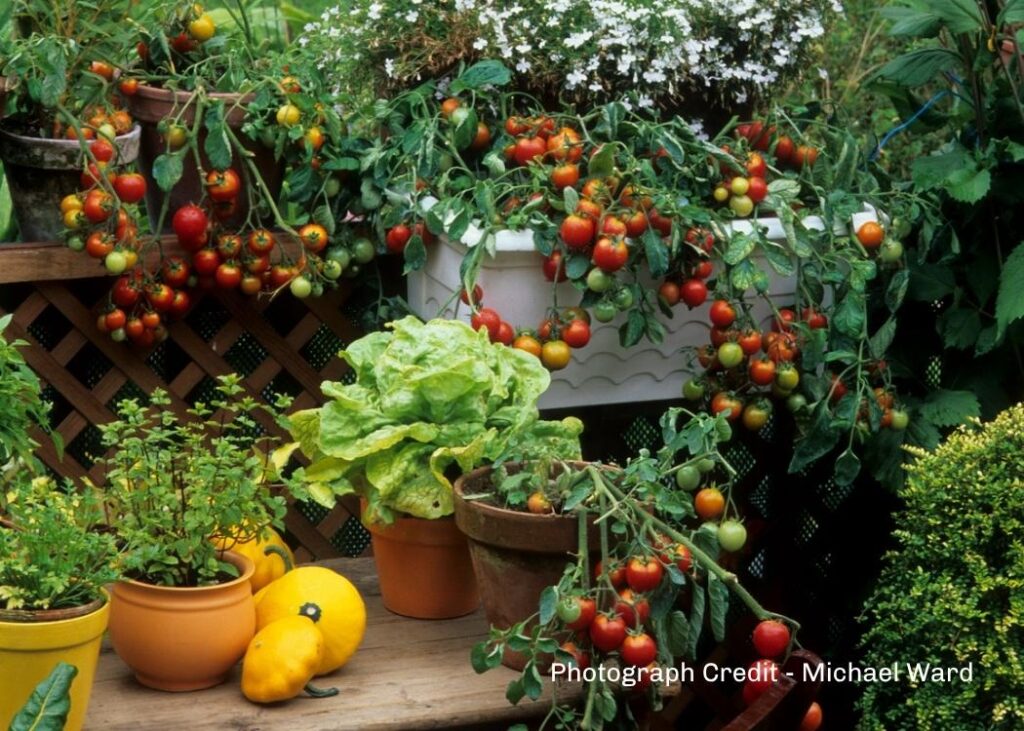
Lettuces and salad leaves are becoming abundant, providing you have kept the slugs away and been attentive with your watering. Beans, tomatoes, and courgettes are starting to become productive.
Continue to feed and water your fruit and vegetable plants. Tomatoes, courgettes, and beans and other vegetables all need regular feeding and watering if they are to produce a tasty crop. You can begin sowing your autumn and winter Swiss chard towards the end of July.
Early July is the time to stop harvesting rhubarb stems and let the plants grow freely to build up the crowns for next year’s crop. The same is true for asparagus.
Soft fruits and Pomona.
Soft fruit is plentiful and delicious in July. Strawberries, summer raspberries, gooseberries, black and red currants, and loganberries all need to be picked. No dessert is as delicious as homemade summer pudding. I follow Nigel Slater’s approach to this summer classic:
https://www.theguardian.com/lifeandstyle/2001/aug/05/foodanddrink.recipes
July is the time to thin out fruit trees. Apples, plums, and pears can carry an abundance of young fruit by mid-summer and it’s tempting to leave all the young fruit on the trees to develop. In this case less is more. Thinning out a heavy crops, and removing any deformed, undersized, diseased, or damaged fruits has multiple benefits.
It means that the remaining fruits get more airflow and light, and more nutrients and water. Thus, you will have larger, juicier, healthier fruit. It also reduces the risk of branches snapping under the weight of the crop, something plum trees are particularly prone to.
How to thin apples:
https://www.youtube.com/watch?v=5f4QxlYihnw
July is a good time to summer prune apple and pear trees, especially trained forms such as espaliers and cordons. Mature fruit trees that have become large and congested can also be pruned now. Cutting back hard in summer will not stimulate vigorous growth. It has the additional advantage of allowing light and air to surround the ripening fruit.
https://www.rhs.org.uk/fruit/apples/summer-pruning
Pest and diseases.
As well as the usual suspects (aphids, and slugs & snails on the prowl) keep a lookout for the scarlet lily beetle and which can strip lilies to naked stems almost while your back is turned. To learn how to deal with lily beetles:
https://www.rhs.org.uk/biodiversity/lily-beetle
The adults and larvae of the beautiful rosemary beetle, with its stunning metallic green and purple stripes, can damage the flowers and foliage of rosemary, lavender, sage, and thyme plants. The RHS now advises trying to live in harmony with this devourer of aromatic foliage. If your plants are healthy then they shouldn’t be seriously harmed by this bold looking beetle.
For non-chemical methods of control of rosemary beetle:
https://www.rhs.org.uk/biodiversity/rosemary-beetle
The dreaded vine weevil is another pest problem in the summer months, particularly for plants growing in pots and containers. Adult beetles hide during the day, emerging at night to chew notches in your plants’ leaves. However, the real harm is done by the larvae which live in the soil munching away at the roots. Often you don’t know there is a problem until the plant dramatically collapses. Summer is egg-laying season for these destructive weevils, so it’s important to keep a lookout now. For more information about controlling this pest:
https://www.rhs.org.uk/biodiversity/vine-weevil
Sowing biennials.
The gardening year is a cyclical, with lesser cycles occurring within the larger ones. One cycle starting in July is sowing biennials such as foxgloves, honesty, sweet rocket, and wallflowers from seed for next year’s blooms.
Biennial plants complete their lifecycle within a two-year period. In their first year they germinate from seed and develop into sturdy plants before winter, and in their second year they flower and then set seed and die. Some annuals, such as Nigella damascena, perform better when grown as a biennial.
July is the time to plant autumn flowering bulbs and corms such as nerines, colchicums, and Cyclamen hederifolium.
And finally, make time to relax!
July is not all about planting, pests, picking, staking, watering, and supporting – although there is plenty of that to be done. It is also about the opportunity to be outside while the days remain long, and weather stays warm. Try eating your meals outside, it makes a real difference to you dining experience. Investing in an outdoor dining set is the best way to get the most from you outside space. A neat bistro set for two can be made colourful and comfortable by adding some outdoor cushions. After all your hard work making the garden look fabulous you need to make time to enjoy it!