Blog
Growing a flower garden from seed in March.


Growing a flower garden from seed in March.
Have you tried growing flowers from seed? I am surprised when even experienced gardeners say that they have never given it a go. People say that it’s “too complicated”, “takes too much time”, and that “you need to have a greenhouse’. These observations are not true. In other words, growing a flower garden from seed can be simple, quick and you do not need a greenhouse to be successful.
Everyone can grow a flower garden from seed. The only horticultural real estate you will need to get into the swing of spring is a sunny windowsill. In cold weather the windowsill becomes my haven. I take a cup of coffee with me as I tend to the fresh green seedlings of half hardy annuals; surrounding myself with fresh new life while the sky is grey outside. So, if your fingers are itching to get gardening, then now is the season to start sowing.
10 reasons to grow flowers from seed:
A) Growing flowers from seed is one of gardening’s big thrills. There is no more wonderful feeling than looking in a pot and noticing for the first time that the dry seeds you planted two weeks ago have miraculously sprouted into life.
B) The seed displays at Capital Gardens contain a wide range of plants to choose from, ranging from the familiar to the unusual. For instance, I grow Ammi majus ‘Snowflake’ from seed each year, to fill my borders with clouds of soft white flowers heads atop lime green stems.
You will find more varieties of popular plants available in seed packets than are commercially grown as potted plants. For example, there are many more types of Cosmos and Sunflower to choose from on our seed stands than will be available for sale in our bedding areas in early summer.
C) Many new flower varieties are only available as seed, giving you exclusivity. For instance, Suttons have a new Sweet Pea called ‘Supersonic’ that has exceptionally long flower stems up to 40cm, making them ideal for cutting, and their new Poppy ‘Amazing Grey’ produces single and semi-double flowers in shades of silvery grey and slate blue.
D) Raising your own flowering plants from seed is an economical way of filling your garden with colour rather than buying trays of bedding plants and pots of perennials. A few pounds spend on a packet of seeds can potentially give you 50 or more plants depending on the number of seeds in the packet.
E) Some annuals don’t transplant easily. Therefore, its better if you sow them in the place where you want them to flower. Clarkia, Eschscholzia and Poppies do best when directly sown.
F) Directly sowing drifts of annuals is an easy way to create naturalistic planting effects.
G) Sowing annual seeds is a great way to create a cutting patch. What could be nicer than filling a bare area of your garden with plants raised from seed and having cut flowers for the house throughout the summer and autumn?
Expert tip:
If you sow some everlasting flowers such as Statice and Helichrysum (aka Strawflower) you will have flowers that are easy to cut and dry and use to add colour and warmth to your home during the winter months.
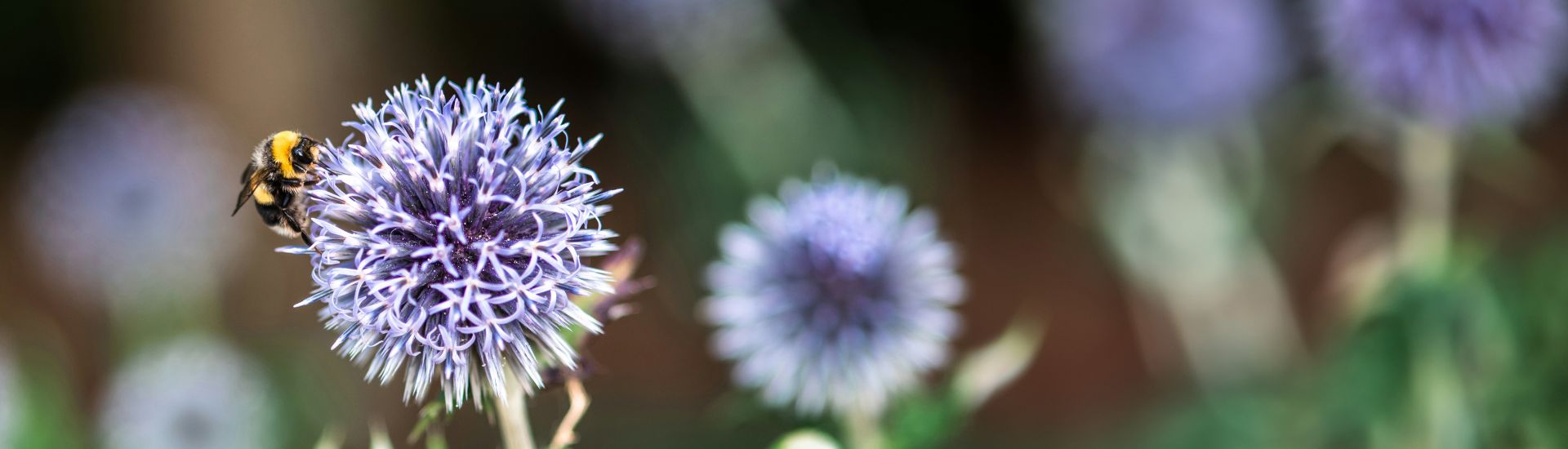
H) Flowering plants are not just beautiful; they provide nectar and pollen for butterflies and bees. Phacelia ‘Lacy’ will attract beautiful butterflies into your garden. Flowers that form attractive seed heads such as Nigella and Sunflowers provide an autumn food source for birds.
I) Growing plants from seed gives you the chance to observe the annual cycle of life. This can be therapeutic and helpful to our sense of wellbeing.
J) Planting seeds is a great way to introduce children to the joys of gardening, bees and nature. It encourages them to observe and care for nature. We stock the Suttons range of ‘Fun to Grow’ seeds, specially selected to be fun and educational, and a way to get children growing their own plants.
What sort of plants can I grow from seed to get flowers this year?
Growing flowers from seed is a big topic. To simplify things, we will look at two categories of plants you can sow this year and enjoy their flowers this year too.
1) Annuals are plants that grow from seed to flower then die all in one year.
Annuals can be divided into two types:
- a) Hardy Annuals (HA) are tough plants that can be sown outdoors in the garden in spring. Alyssum, Calendula, Dianthus, Nigella, Poppies, Sweet Peas, and Sunflowers are examples of Hardy Annuals.
To learn more about Hardy Annuals:
https://www.rhs.org.uk/advice/profile?PID=718
- b) Half Hardy Annuals (HHA) have seeds that can only be directly sown outdoors after the last frost. Half hardy annuals are plants that need more warmth. Therefore, it is better to start many of these types off early indoors in the warmth to give them a longer growing season.
March is when you can start making early indoor sowings of half hardy summer bedding plants such as Antirrhinum, Cleome, Cosmos, French Marigolds, Lobelia, Nasturtium, Nicotiana, Pelargonium, Petunia and Zinnia. Direct sowing into the ground of some Half Hardy Annual seeds such as Cosmos, Calendula, Clarkia, Larkspur, Nasturtium, and Sweet Williams can be made in May.
Half hardy annuals include some beautiful and fast growing climbers like the Cup and Saucer Vine (Cobaea scandens), Black-eyed Susan (Thunbergia alata), climbing Nasturtium (Tropaeolum majus) and the trumpet shaped Morning Glory (Ipomea tricolor). These fast growing, colourful annual climbers will quickly cover a trellis or wigwam and flower for many months, until the frosts arrive.
Watch how to grow Half Hardy Annuals:
https://www.gardenersworld.com/plants/10-half-hardy-annuals-to-grow/
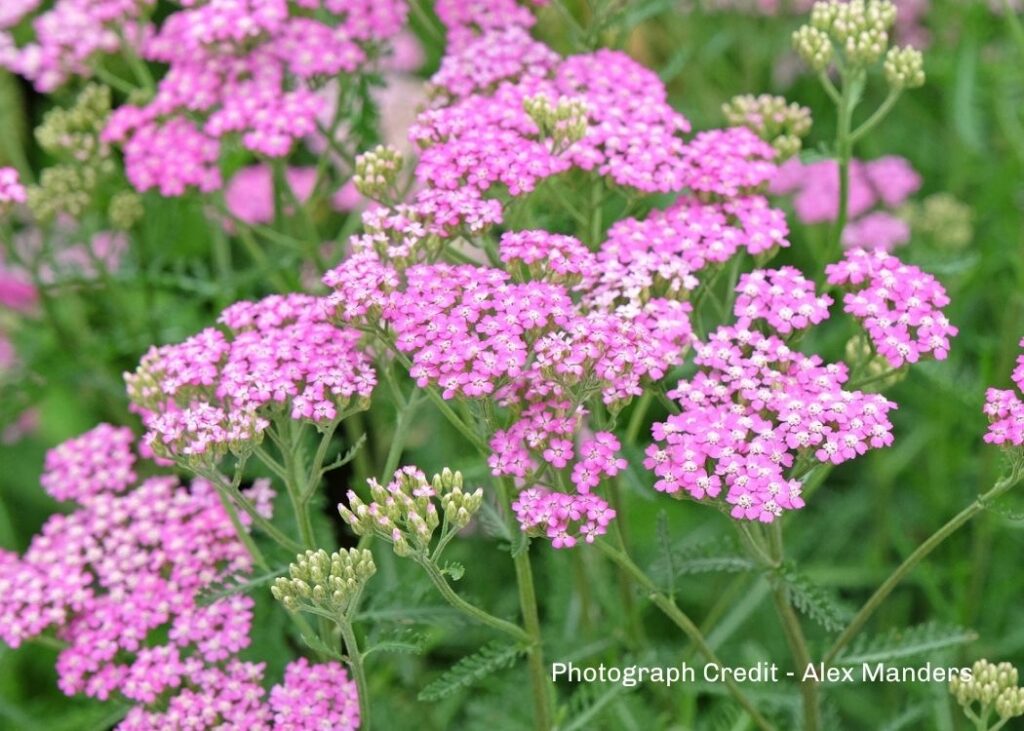
2) Herbaceous Perennials are plants that will live on in your pots and flower beds for several years. Some Herbaceous Perennials can reach flowering size in their first year. Achillea, Agastache, Iberis sempervirens, Coreopsis, Echinacea, Eryngium, Gaura, Penstemon, and Veronica are examples of Herbaceous perennials that when sown early will reward you by flowering in their first year.
Fun fact
The famous 19th century garden write Ellen Willmott was particularly fond of the tall Sea Holly ‘Eryngium giganteum’. Such was her passion for this silvery perennial that she would secretly sow the seeds in the gardens that she visited, and the following year these stately flowers would magically appear – earning it the alternative name of ‘Miss Willmott’s Ghost’.
Two seed sowing hacks:
a) You don’t need to use seed trays unless you want to raise hundreds of plants. A sprinkle of seeds in a 9cm plant pot will give you plenty of plants. Using square pots means you can fit many pots of different annuals and bedding plants into your windowsill propagator. Remember to label your pots with the plant name and the date of sowing.
b) Plants that don’t like having their roots disturbed can be sown in cell inserts, seed tray liners divided into small sections (available from us at £3.99 for a packet of 5). Two or three seeds can be placed into each module and thinned out to one after germination. The established plants are easy to plant out or pot-on without causing root disturbance.
An easy seed for the beginning gardener:
If you are keen to start growing flowers from seed but have never tried growing seeds before then begin with something easy like sweet peas. You can sow sweet peas in pots indoors now. The large seeds are easy to handle, and they will germinate quickly. You will notice their bright green shoots emerging within a week or two of planting.
Germination hack:
Place your sweet pea seeds on moist kitchen roll in a sealed clear plastic bag in a warm spot for 24 hours until they have swollen before planting in seed compost. This soaking helps them germinate more quickly than just planting them straight into the pot. Sweet peas grow best if their roots can grow down deeply, so at Capital Gardens we sell ‘Vitax’ grow tubes that will allow your seedlings to develop long roots.
Sweet peas are fast growing. Therefore, it won’t be long before you’ll be bringing your first bunch of scented blooms into the kitchen, and thinking, ‘I grew these from seed.’
A detailed guide to growing sweet peas:
https://www.gardenersworld.com/how-to/grow-plants/how-to-grow-sweet-peas
Remember, Capital Gardens stocks all your seed sowing essentials:
In other words, you will find all the items you will need to successfully raise a garden full of beautiful flowers from seed at Capital Gardens. We offer flower seeds from the top seed companies. You will find clear instructions about when and how to sow each variety of flower on the back of the seed packet.
We also stock seed compost, perlite, vermiculite, plant labels, plastic pots, fibre pots, seed trays, non-electric propagators, saucers, and watering cans.
In conclusion:
Growing flowers from seed isn’t as difficult as you might imagine. Above all, there is nothing more satisfying than planting a tiny seed in spring and watching it sprout and grow. Seeds are packaged and programmed by nature to grow; all you need to do to be successful is plant them at the right time and give them the right conditions. Half the fun of growing seeds is in experimenting. Sometimes there will be challenges such as bad weather, and slugs and snails – but the experience you gain from these challenges will make you more confident in growing your own plants from seed. So above all, enjoy the challenge!
Taking it further:
If you like the idea of raising your own flowers from seed, then maybe you are also interested in growing your own vegetables. To learn about raising vegetables from seed:
https://www.capitalgardens.co.uk/blog/vegetable-seeds-you-can-start-sowing-now/