Blog
Garden jobs for January

Garden jobs for January
January, although it’s often said to be the most melancholy month, is arguably when hope starts to sprout along with the first shoots of some spring plants. There’s a growing sense of renewal and rejuvenation and the occasional burst of energy, both human and plant. Here are some ideas for putting your new year vitality to good use.
Buy potted late winter-flowering bulbs
Early-flowering bulbs are ideal for adding a bit of oomph to a winter garden. Small but perfectly formed Iris reticulata in shades of blue and purple, delicate snowdrops and hardy Cyclamen coum are all available in pots now. And other early spring-flowering bulbs are starting to poke their heads above the parapet too.
Both snowdrops and Cyclamen coum will grow in dappled shade so make good cover beneath trees and larger deciduous shrubs. Iris reticulata prefers full sun and well-drained, poor-ish soil.
Chit first early seed potatoes
One of my happiest childhood memories is of helping to dig up potatoes in the garden and of biting into them 30 minutes later. Newly unearthed salad potatoes in early summer served with salt, pepper, a scattering of fresh herbs and crème fraiche or a dribble of olive oil and whatever else takes your fancy are something we should all be able to experience. New potatoes – or ‘earlies’ – especially, should be eaten really soon after harvest to get the full impact of their fresh, slightly earthy flavour.
Potatoes are divided into three types:
- First earlies (planted in mid-March and harvested in June or July)
- Second earlies (planted at the beginning of April and harvested in July and August)
- Maincrop (planted in April and harvested from August to October)
Traditionally they’ve been chitted before planting. This simply means encouraging them to sprout before you get them in the ground. There’s been some debate in recent years over whether or not it’s actually necessary but after a bit of experimentation most gardeners seem to think it’s worth it to give them a boost. Chitting takes about 6 weeks, so this is a job for the end of January in warmer areas and mid-February in colder regions.
How do I do it?
You’ll need:
- Egg boxes or trays
- Seed potatoes
- A cool, frost-free place with natural light
One end of each potato tuber should be blunter than the other and have more ‘eyes’.
Place them blunt end up in your trays or egg boxes and leave to do their thing. If they’re in trays, divide them with folded sheets of newspaper to keep them upright and separate.
They’ll be ready for planting when the shoots are about 2cm long.
Early potatoes take up less space than maincrop and can be grown in pots or bags so they’re perfect if you only have a balcony or patio. They’re also quicker to mature.
Planting times do vary slightly depending on where you live. It’s best to delay by a couple of weeks if you’re in a cold area. In warmer regions though, you may be able to plant a second batch of maincrop in late summer for a Christmas harvest. Now there’s a thing…
And a final tip…
Use seed potatoes. Don’t be tempted to plant the old ones that have been lurking in the corner of the kitchen for too long and started to sprout. They won’t give you a reliable crop.
https://www.gardenersworld.com/how-to/grow-plants/how-to-grow-potatoes/
Prune your wisteria
To get the most flamboyant display from your wisteria you need to prune it twice a year, in summer after flowering and in winter while it’s dormant. This encourages the development of short spurs that produce lots of flowers.
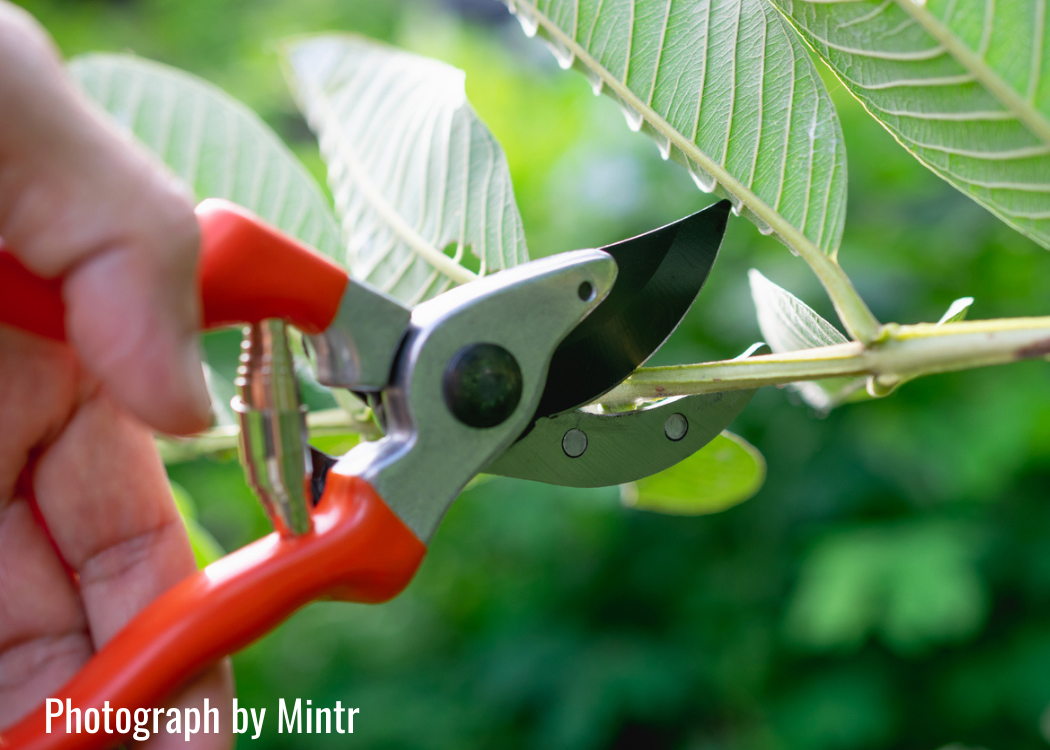
In winter you’re tying in and then reducing the long whippy growth that has appeared in late summer. Chop these stems to back to 2 or 3 buds with a pair of sharp secateurs. The link below is for a video which will show you how.
https://www.gardenersworld.com/how-to/grow-plants/how-to-winter-prune-wisteria/
Prune your roses
There are lots of different types of roses and a whole raft of instructions about how to care for them. It can all be a bit confusing. But most roses, except for ramblers, are best pruned in winter and January is a good time to carry out this garden task. If you have a good display of hips though, you might want to wait until the beginning of March to get the most out of them – you can still prune then without chopping off the all-important flowering wood.
Pruning roses doesn’t have to be difficult or complicated. You’re aiming to keep your plant healthy, to a manageable size and to encourage flowering. Healthy plants are less prone to pests like aphids.
Some basic pruning tips:
- Cut branches back to just above a strong, outward facing bud to keep the centre of the plant uncluttered. Opening up the middle allows better air circulation. This helps reduce disease.
- Always cut about 1 cm above a bud. Lower and you may damage the bud, higher and the stem will die back to the bud anyway and you’ll be left with an ugly brown stump.
- Cut at a slight angle which faces away from the bud. This allows rainwater to run off rather than sinking into the stem and so reduces the risk of rotting.
- Remove any crossing or dead branches, or stems that are growing very close together.
- Cut back very thin, weak stems. They’re unlikely to produce anything.
You can find more useful information here:
https://www.gardenersworld.com/how-to/grow-plants/how-to-prune-roses/
Start to force rhubarb
The coral pink stems of rhubarb make it a colourful as well as practical crop. Native to Siberia, it doesn’t mind cold, wet weather, hence its success in one of the main UK growing regions, the aptly named Rhubarb Triangle in West Yorkshire. Rhubarb is happy in part-shade and as you might expect given its origins, is a tough customer which will adapt to most conditions. However, it’s also a hungry plant that does best on nitrogen-rich soil. The only thing you really need to be wary of is waterlogging in winter, so make sure you add lots of organic matter if your soil is heavy clay. (This will feed it too.)
Forcing rhubarb means getting it to grow earlier and more quickly by preventing light from reaching the plant. This encourages paler, sweeter and more tender stems as well as an early harvest.
How do I do it?
- Clear around the base of the plant, removing weeds and dead leaves.
- Mulching with compost will add nutrients and boost additional growth.
- Place a large, upturned container over the crown of the plant. You can use a large pot, specialist terracotta rhubarb forcer or even a bucket or dustbin, depending on whether your desired look is shabby allotment chic or National Trust heritage.
- Block up any holes to make sure the light doesn’t get in.
- The tender pink stems will be ready in about 8 weeks’ time. If you want to go the whole hog, you can harvest by candlelight as they do in the Triangle, to prevent light reaching the stems even at this late stage.
Tips:
- Only force established plants (ie 2 or 3 years old).
- Your plant should only be forced one year at a time. Give it the next year off to recover.
- Rather than cutting them, pull the stems from the base of the plant to avoid rot.
N.B. The leaves are poisonous, so do remove them before eating.
The Victorians were mad for rhubarb and had a huge number of varieties, bred for their different flavours (for example, cherry, strawberry and greengage) and for the purpose for which they were intended: tender stems for sauces, harder stems which would retain their shape in jams. This incredibly versatile vegetable (it IS technically a vegetable) fell out of favour but is now back in fashion and is being put to many imaginative uses; think candied rhubarb, rhubarb scones and rhubarb gin.
https://www.theguardian.com/global/2016/jan/31/mysteries-of-the-rhubarb-triangle
Prepare the ground for summer veg planting
If you’re lucky enough to have a big enough garden for vegetable beds, you can give runner beans, French beans, courgettes and other veg plants a good start now. Generally, vegetables like a nice, rich soil to grow in. So they’ll be more productive if you dig in some compost or well-rotted manure this month. Or if you’re a fan of no-dig gardening, spread it over the soil surface and let the worms and other invertebrates do their work over the next few months. If you’re doing it this way, it’ll take a while to bed in, so January is the ideal time for this particular garden job.
Keep looking after wildlife
This is the season when wildlife is vulnerable. Because natural supplies of food are short, it’s crucial to keep providing high fat, high energy food for birds in particular. You can even make your own; a fun project for a cold, rainy day when certain people are a bit bored and you’re looking for a way to tear them away from their screens.
Water is really important too. A shallow dish on the ground is a valuable drinking resource for birds, foxes (and hedgehogs if you’re lucky enough to have them). It will also provide somewhere for birds to bathe. Break or melt any ice that forms so that the water can still be accessed.
If you have a pond, ensuring there’s a gap in ice that forms over the top is vital to allow garden creatures to get in and out and drink. Ooh! You might be thinking. A bit of ice-smashing! But no, NOT a good idea in this case… The shockwaves you generate will harm the wildlife that has made your pond its home. Instead, fill a pan with boiling water and place it on the surface until a hole has melted.
If you’re doing some chopping back, keep the twigs and foliage and put them in a pile in a corner as shelter for hedgehogs and insects. (Spiny rose clippings, however, are best added to the compost). And do the same with fallen leaves.
The RHS has a useful video here:
https://www.rhs.org.uk/videos/advice/Winter-wildlife
Planting, chopping, preparing and nurturing – our gardens can bring us joy all year, even in January. It’s just a question of knowing what to do.