Blog
December in your garden and terrace

Your garden and terrace in December
The north wind doth blow and we shall have snow,
And what will the robin do then, poor thing?
He’ll sit in a barn,
And keep himself warm,
And hide his head under his wing, poor thing.
(Author unknown)
Like November, December may at first appear to be a bit of a quiet month in the garden. But actually there’s lots to keep you occupied. So hearty outdoor activities can be embraced with gusto in place of slouching indoors watching box sets and nibbling on chorizo crisps.
Protect plants from frost
Some of our favourite garden plants, like the robin, need a bit of shelter.
A number of plants cleverly accumulate certain sugars and amino acids that act as a sort of anti-freeze. Incredibly, these actually lower the freezing point of the contents of the plant cells, thus helping to prevent frost damage.
Not all plants are this tough though; there are degrees of hardiness in the plant world. Generally, tender plants, like Dahlias and canna lilies, will only cope with temperatures as low as 4 degrees C. Half hardy perennials such as bedding geraniums (Pelargoniums), bedding Fuschias and some Begonias are often treated as annuals. This is a bit of a waste however, as they’ll survive temperatures down to -1 degree C, and given the right care, will burst forth in all their glory again next year. (Window box geraniums, for example, will often survive for several years, especially if you live in an old and poorly-insulated building!) Frost hardy plants, however, will soldier on down to really quite low temperatures. Check the label or look it up if you’re not sure what your plant can take.
It’s also useful to know that a plant’s frost hardiness is a complex subject. For example, a plant is more likely to survive cold conditions in dry soil than wet. The duration of low temperatures can also make a big difference and like us, plants don’t like a cold wind. So bear this in mind when thinking about how to protect your plants.
Frost damage looks different on different plants. Tender perennials tend to go black and mushy and this can happen to tender new shoots in spring too. Shrubs and climbers can be scorched by freezing winds which leave brown patches on the foliage. Some plants just collapse as the cell walls are damaged by internal freezing.
How do I protect them?
Rhizomes and bulbs
Delicate plants which have thick, bulbous roots (rhizomes or corms), such as Cannas, Dahlias and Gladiolus, should ideally be cut back and lifted in their dormant state. Then store them somewhere dry and frost-free, for example a shed, until everything warms up again in spring. Alternatively, once cut back, you can cover them with 10cm of mulch. Gardening opinion differs as to whether you should actually put mulch on top of the plants themselves. Some experts say it means your plants are prone to rotting if the weather gets really wet. Others advise doing it to protect plants properly. Learning how to garden involves weighing things up and having the confidence to make what you feel is the right decision. And if it goes a bit wrong, take comfort in the fact that you’ll have learnt something from the experience.
Tender and half-hardy perennials and shrubs
Banana plants and tree ferns, for example, can be cut back, lifted and put in a frost free place. Alternatively, you can wrap them in horticultural fleece, or even newspaper or an old sheet in an emergency. Half-hardy and borderline hardy shrubs like Callistemon and Abelia should be wrapped too in garden fleece (but not plastic). Very small plants can be protected with glass cloches.
Plants in pots
Plants in containers are more prone to their roots freezing. This is because they’re less insulated than when planted in the ground. If it gets really cold, frost can also penetrate porous terracotta pots.
A solution is to place them against the house wall where they’ll be sheltered and also benefit from any heat that leaks out. Huddling them together for mutual protection also helps. Prevent roots from freezing by wrapping your pots with horticultural fleece or hessian sacks and tying with string.
Raising containers on pot feet will also help to stop them cracking in a hard frost and aid the prevention of root rot by letting out excess rainwater. You can also mix some Perlite into the soil when planting; this will help drainage and take up any pressure if the soil freezes and expands in the pot.
You’ll find more useful information here:
https://www.gardenersworld.com/plants/quick-ways-to-protect-plants-from-frost/
https://www.rhs.org.uk/prevention-protection/frost-damage
Plant colour in window boxes
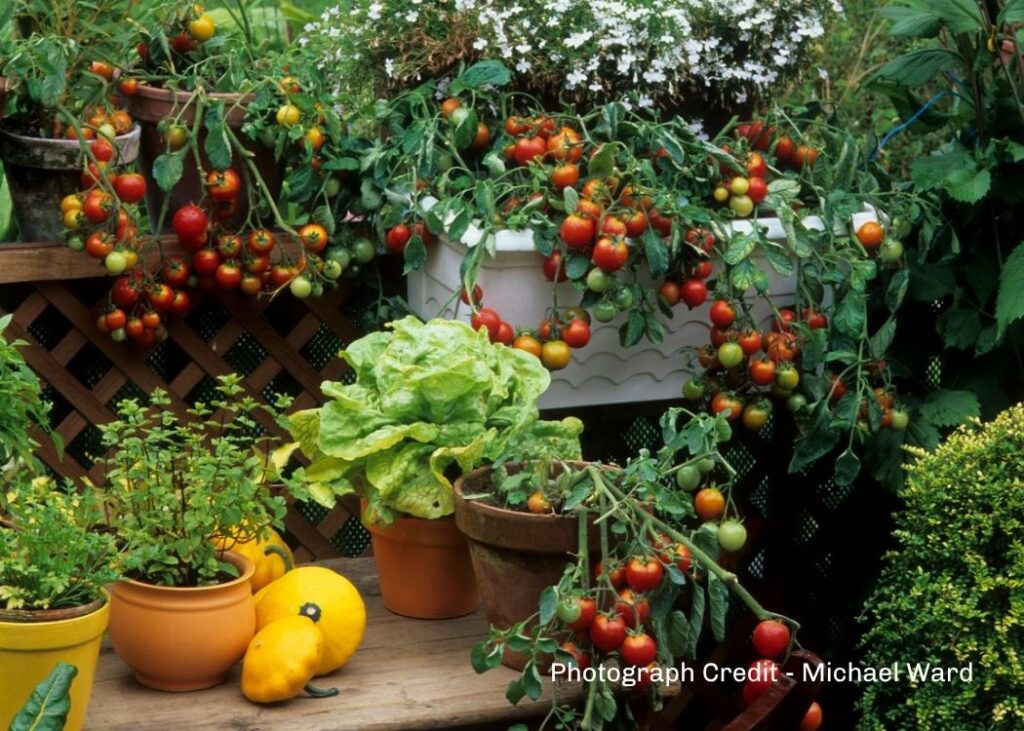
Splashes of red, purple, pink, orange and yellow in window boxes and pots will really brighten things up. Primulas, cyclamen, violas and pansies all look good in December and there should be plenty available. There’s lots of info on how to do it in our blog: https://www.capitalgardens.co.uk/blog/creating-beautiful-winter-containers/
Deadhead winter bedding
Another important December job. With a bit of luck and some sun the new plants in your window boxes should keep going for a couple of months, seeing you through the worst of winter. But to really maintain them at their best and keep the new flowers coming you need to take the old flower heads off as they fade and die.
How do I do it?
This depends on the plant. Most can be deadheaded by pinching or snipping off the dead flower head at the base of its stem. This stimulates the hormones at the growing point and encourages new flowers to grow. Simply whipping off the flower head itself won’t do the job as well. The bit of stem you’ve left will just die back and turn brown and there’s a danger of it rotting in a prolonged wet spell.
Don’t forget to take off the dead leaves as well. Leave them on and the rot may set in here too. It can spread quickly in damp conditions and you don’t want it to take out your carefully nurtured plants.
Cyclamen, however, are a bit different. Instead of cutting, carefully twist the old flower stem and then pull. It should come off at the base of the plant. Doing it this way should prevent any decay transferring onto the tuber. Treat the dead and dying leaves the same way.
Keep a lookout for diseases
Even during cold weather diseases can still have a go at your plants. (Plant diseases do of course have scientific names but the common ones are always satisfyingly descriptive, for example cucumber mosaic virus, peach leaf curl, and my favourites, blossom end rot and corky scab, all which do exactly as they say on the tin.)
Hellebores are a truly wonderful winter flower but can be attacked by hellebore leaf spot, a fungal disease that shows itself as black or brown patches on leaves and stems. It usually appears in late winter through to summer but it’s worth keeping an eye out for it now so that you can get on top of it if need be.
Winter pansies and violas are prone to a similar disease – also called leaf spot – as well as downy mildew. The latter appears on the leaves as pale blotches with fuzzy greyish patches. If left, the leaves will eventually drop off and when they land on the soil or compost, it’s likely that the spores will drop into the growing medium, prolonging the problem and making it harder to eradicate.
How do I deal with them?
The best cure is to simply remove the leaves. Downy mildew simply laughs in the face of a spray gun. Anti-fungal sprays will help leaf spot if things really get out of hand but it’s best to avoid them if you can. If you have to use them, do so sparingly, on a still, dry day. Fungicides can be toxic to many forms of wildlife, including those all-important fauna such as worms, woodlice and millipedes that are essential to keeping soil and compost ecosystems healthy.
Tie in climbers to prevent wind damage
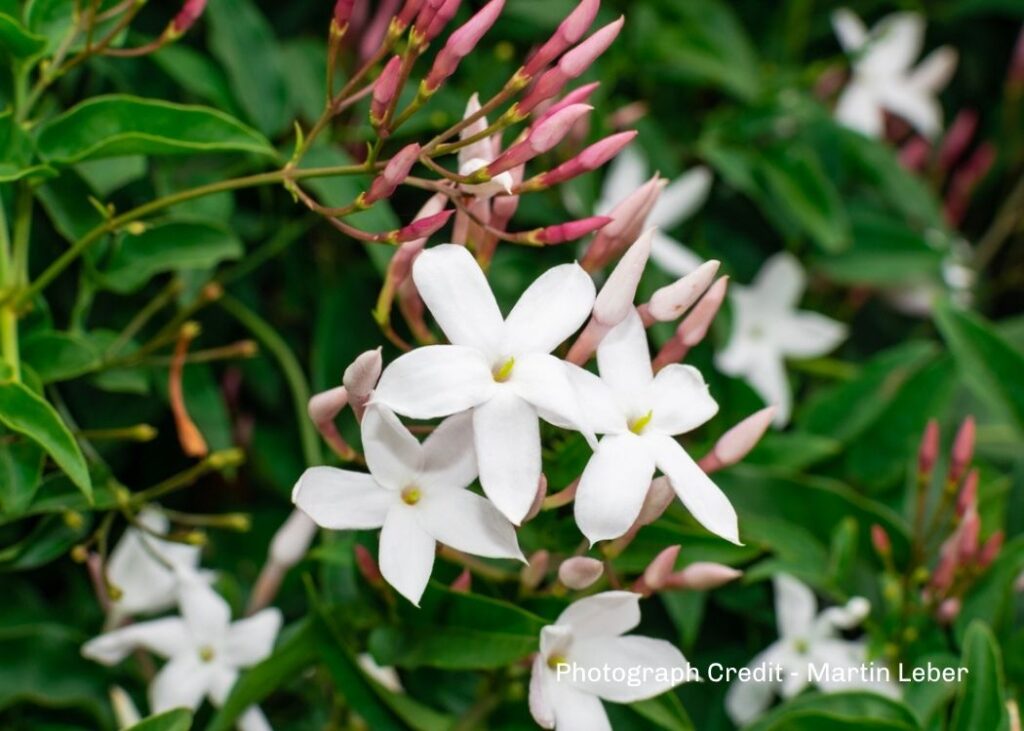
That north wind can be really strong, despite apparently travelling all the way from Siberia. Strong gusts can snap the loose stems of climbers like jasmine and Clematis. To prevent this, tie them into their trellises or wires with soft garden twine.
Install a water butt
A December garden job which makes the most of natural resources. Rainwater is free so reduces your water bills, something that’s not to be sneezed at, regardless of the season. Water butts also allow you to store this valuable asset for use during dry periods.
They’re particularly useful in areas of hard water, where you may eventually end up with white limescale deposits on the leaves of plants if you regularly splash them when watering. You can avoid this to some extent by watering as far as possible on the surface of the soil, which is also better for the plants. (This is because the water goes directly to the roots, where it’s needed, and reduces evaporation in hot weather.) However, you may still get splashes on the leaves.
With potted plants though, even if you use a splash-free watering technique, you may still get white tap water deposits building up on the surface of the compost. This is particularly true for houseplants (there’s no exposure to rain, which would wash the surface deposits though). Rainwater, however, won’t do this.
Lots of houseplants prefer a drink of rainwater anyway, and this is also the case for outdoor plants that need acidic soil, such as Camellias and blueberries, especially if they’re growing in containers.
Build raised beds
Another good December project when there’s not a lot to keep on top of plant wise. Raised beds have many advantages. They avoid soil compaction (just remember not to walk on them!), have good drainage and serve as a bit of a barrier for pests such as slugs. They’re a great way of cultivating plants that need a different growing medium from your actual garden soil. They can also add an extra dimension to the look of your garden. Think of them as a sort of three-dimensional horticultural picture framed with whatever material you like. Large timbers and reclaimed bricks can be used to form the edging, or whatever else takes your fancy. Build your own from scratch or buy a kit to help things along a bit. Try and avoid using old railway sleepers though as these contain arsenic!
You’ll find detailed guides here:
https://learn.eartheasy.com/guides/raised-garden-beds/#howtobuild
https://www.rhs.org.uk/garden-features/raised-beds
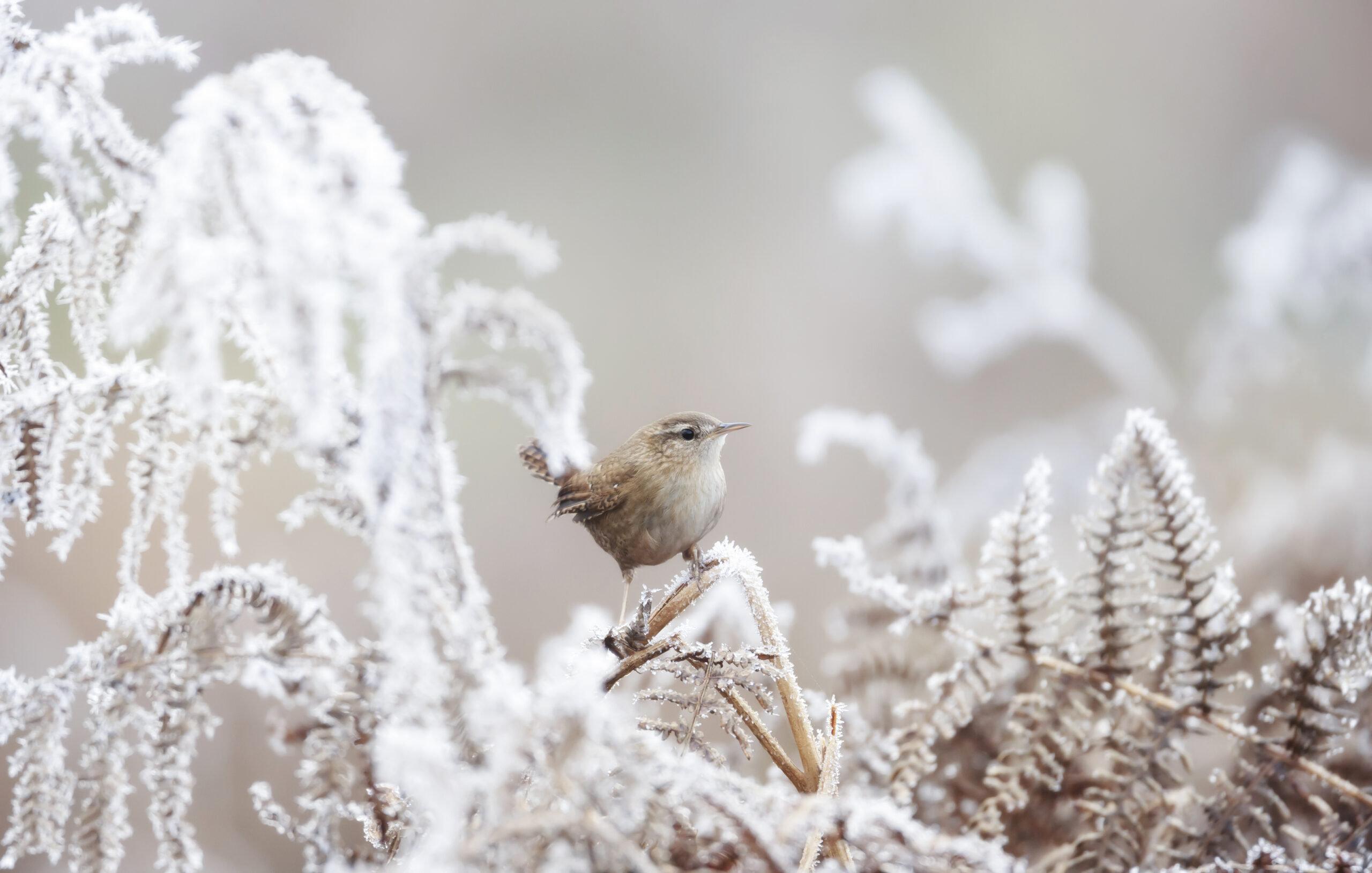
And last but absolutely not least, back to the robin.
Feed and water the birds
Our feathered companions, like their some of their insect pollinator counterparts, need food all year round. Depending on what a bird eats, food can start to become scarce in autumn, but by winter everyone’s feeling the pinch. In the cold season, birds need food that’s high in fats to keep their own fat reserves topped up. But all have their own specific tastes, so observe who’s in and around your garden and feed accordingly.
And don’t forget their water. They need to drink and wash every day. You can use a saucer or shallow dish and as with your birdfeeders try and put it somewhere that’s safe from predators. It’s also important to break any ice that forms on the surface.
There’s a really helpful guide here:
http://ww2.rspb.org.uk/our-work/rspb-news/news/387868-top-10-bird