Blog
Autumn tidying – cheering up tired gardens

Autumn tidying – cheering up tired gardens
The end of summer is potentially a bit of a gloomy time and our gardens often seem to match our mood (or perhaps it’s the other way around) by starting to look a bit shabby in autumn. The season of mists and mellow fruitfulness doesn’t always fulfil its potential. But having a bit of a tidy up can work wonders and leave everything looking neater and fresher. You can also lighten things up by adding some bright flowers in pots – just a few plants can make a real difference.
Here are a few things you can do to cheer yourself and your garden up.
Cut back
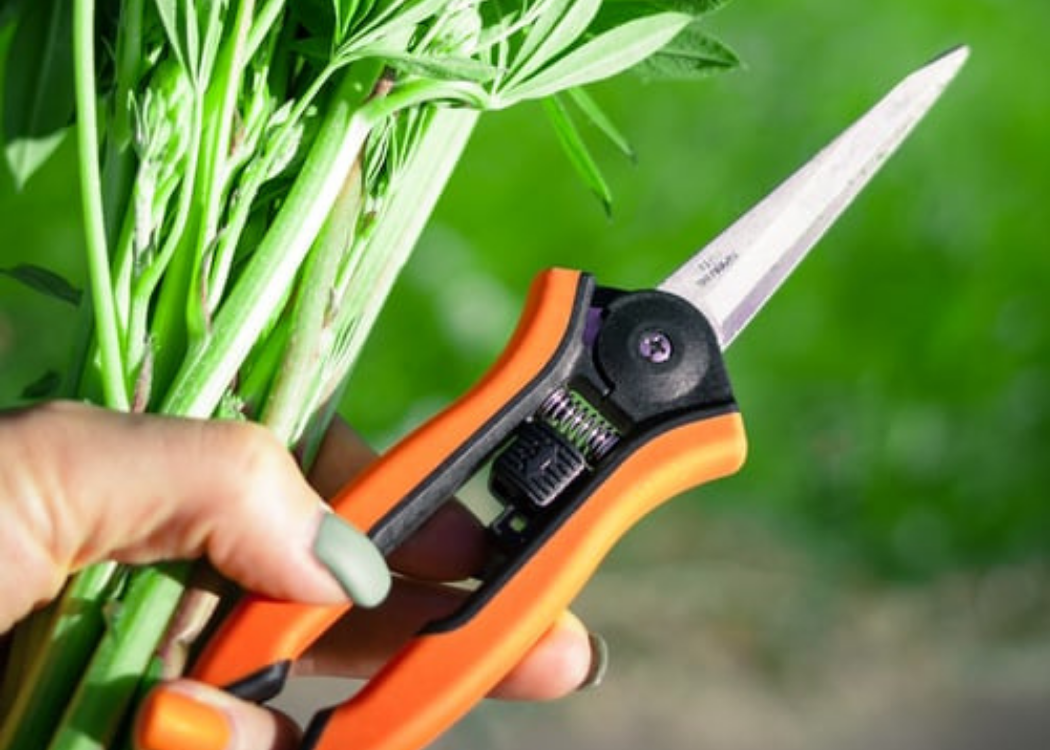
This is a season for getting out there with satisfyingly sharp tools and chopping away. Cutting back in autumn is a good time to remove old, dead growth, and is a chance to check for any potentially diseased stems and foliage that should be taken off to prevent bacteria or fungus spreading further. You might find you have quite a lot of cutting back to do, particularly if you didn’t get round to doing any during the summer because you were too busy having fun in the sun. (Or not, if you’re reading this in 2021.) You might, however, want to be a bit selective about your pruning. Leaving the stems and seedheads on certain plants adds beauty to your garden when things are looking rather bare and will also benefit your local wildlife population.
Some quick pruning/deadheading tips:
- Make your cut just above a bud, new leaf growth or where the side stem joins a larger one.
- This is because there are growth hormones in this area, so cutting here stimulates new growth.
- Cutting higher up, away from the buds, means that the area of wood in between will just die back, leaving you with an ugly brown stump. This dieback can potentially continue down the stem or branch.
Shrubs:
Spring and early summer flowering deciduous shrubs, for example Philadelphus, Weigela, Forsythia and flowering currant should ideally be cut back as soon as they’ve finished blooming. This is because they produce flowers on the previous season’s growth, so your aim is to give this the longest period possible to develop. The more growth they retain from this year, the more flowers they’ll produce next year. So if you haven’t yet done it, get onto it now. You can find more detailed guidance here:
https://www.rhs.org.uk/advice/profile?PID=197
Autumn is also the time to take the old flower spikes off later summer flowering shrubs such as Buddleia as they come to the end of their season. Attend to English lavender in the same way if you haven’t done so already, as long the weather isn’t too cold. Do it soon though! What you mustn’t do is to cut into the old (non-flowering) wood, as lavenders don’t take kindly to this and you risk killing your plant rather than encouraging it to come back next year. Leave French lavender until spring though as it’s quite delicate and prefers being pruned as the days are getting warmer.
If your garden is looking a bit dark, try lifting the canopy of vigorous growers such as bay trees. This entails cutting out some of the lower branches to allow more light in. You’ll be surprised at what a difference this can make, especially in a north-facing garden.
Herbaceous perennials:
The foliage of fully hardy summer flowering perennials such as Delphiniums, lupins, Paeonies, Phlox and cranesbills dies off as the days become shorter and colder and can safely be cut back to a few centimetres above the ground this season. A gardeners’ tip is not to cut the plant flat, but to shape it into a small mound. This is better for the plant and provides more interest when frost alights on the dead growth.
Slightly more tender plants such as Penstemons however, are only hardy down to -5 degrees C. So it’s advisable to cut them back only by about a third now, leaving the existing stems to protect the crown (the base) from hard frosts. Then chop back the rest in April or May.
Carry on deadheading late summer and autumn flowering plants such as Heleniums, Coreopsis, Asters, Rudbeckias and Echinaceas to keep them going for as long as possible. There’s more information here:
https://www.rhs.org.uk/advice/profile?pid=362
Summer flowering bulbs:
The foliage of deciduous forms, for example, some Hemerocallis (day lilies), will become brown and die back during autumn. This is a sign that the bulbs have taken what food they can for next year, so once they reach this stage, you can get rid of it.
As with most practical jobs, having the right tools makes the process quicker and easier. And of course we stock lots of exciting pruning implements to help you out. (You may laugh! But once you develop the love of a good chopping session in the garden, it is but a short step to developing the sort of interest in tools you might once have snorted at derisively.)
You might want to consider:
- sharp secateurs for thin stems and branches
- loppers for stems larger than about 10-15mm in diameter
- a pruning saw for thick or tough branches
Clear up fallen leaves
Any deciduous trees and shrubs such as Acers or Cornus that you have in your outdoor space will lose their leaves in autumn. You may also have to contend with the fallings from your neighbours’ gardens, especially during our inevitable autumn gales.
Depending on what surface the leaves drop onto you’ll need different tools. For a lawn or borders, use a rake with long, thin tines (prongs). On patios and decking, a brush with stiff bristles will do the job. And a big plastic trug is great for collecting your garden debris – much easier, more durable and therefore more sustainable than single use plastic garden sacks.
Support wildlife
While we’re sitting inside with the heating on, insects, birds and animals are outside fending for themselves or relaxing into the easier option of hibernation. Whatever they choose to do, they’ll benefit from our help.
If your space is big enough, even a smallish pile of twigs, leaves and branches will provide a safe place for insects, or, if you’re lucky, hedgehogs, which, incredibly, are an endangered species in this country. How cheering that would be! A hedgehog in the garden!
https://www.hedgehogstreet.org/help-hedgehogs/helpful-garden-features/
Seedheads provide food and shelter for birds and insects. Rudbeckias, Alliums and Hylotelephiums (Sedums) are among those suggested by the RSPB.
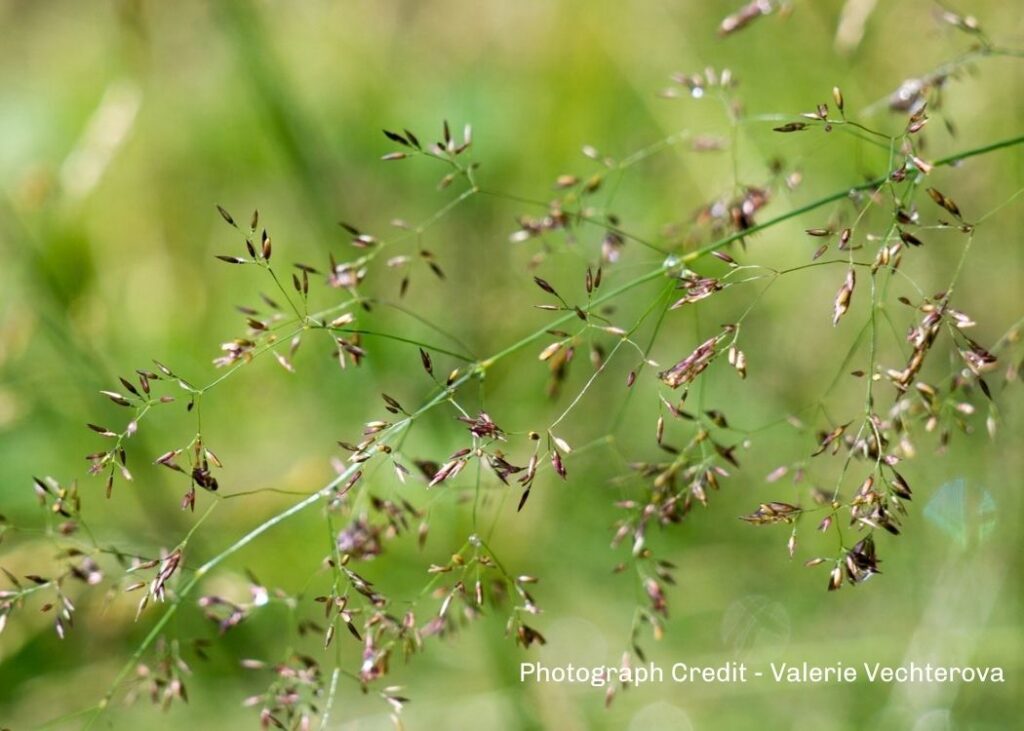
Leaving seedheads will also benefit you. The seedheads of many flowers are stunning, especially against a filmy backdrop of tall grasses. Aquilegias, poppies, honesty, Nigella, fluffy clematis like a mad professor’s hair, anything with a thistle-like flower and the cone-shaped heads of late summer flowerers like Echinaceas – all provide something to look at over autumn and winter. And lots of them will scatter their seeds freely, providing you with free plants next year. Carefully tying up plants that have flopped over will help keep things looking tidy.
Compost
What to do with all this lovely organic matter that you’ve collected? Well, you can give it away to your local authority to compost or put in their biodigester. Or you can keep it and make your own. Homemade compost is often referred to as ‘black gold’ by gardeners because of the wealth it brings to our plots. Dug into the ground or used as a mulch it not only provides hungry plants with crucial nutrients but also improves the texture of your soil. All you need is a flat, preferably shady area or a compost bin and a garden fork to turn it. Really good, rich, crumbly compost is a mix of ‘browns’ (things like twigs, paper and cardboard) for carbon, and ‘greens’ (lawn clippings, annual weeds, green stems from deadheading, fruit and veg scraps and even a few coffee grounds) which add nitrogen. Dead leaves and herbaceous stems fall somewhere between the two, as they have a higher nitrogen content than true browns.
The recommended ratios are either 3:1 or 2:1 browns to greens, so don’t worry about getting too bogged down in the detail. Your developing compost will need turning every couple of weeks or so (as so often in gardening, opinion differs), so you’ll have the opportunity to check its consistency as you do so. If it starts to look too slushy, just add some more brown material. Composting is an organic process in both senses of the word.
A word to the wise: don’t be tempted to put diseased leaves or branches into your compost. Avoid potato peel too as it can harbour disease. The temperature home compost reaches isn’t high enough to kill the bacteria or fungal spores and you’ll simply end up with compost that’s carrying the disease. This will harm rather than help the recipients of your black gold. Local authority compost tends to reach higher temperatures – their piles are bigger – so they sometimes accept your rejected material. But check with them first. Leave out eggshells too; they can attract unwanted visitors.
Plug the gaps
Use pots to fill the spaces left by the herbaceous perennials that you’ve cut down to the ground (place them immediately next to, rather than on, the crown of the plants), or replant pots and window boxes in which summer bedding has finished. There’s lots of cheap and cheerful autumn bedding to choose from. Violas, pansies, Cyclamen and Bellis (brightly-coloured daisies) will all add zing and pzazz to your garden now. And when their time is up, you can add them to your compost so that they can better the lives of future generations of plants.
Evergreen grasses such as Carex oshimensis, Pennisetum alopecuroides and Luzula sylvatica (which unlike many grasses loves damp shade), as well as long-flowering evergreen shrubs like some Hebes still look good in autumn. Evergreen ferns, for example Asplenium scolopendrium and Polypodium vulgare, will also hold their own in a shady spot. You can put all of these in pots or large troughs.
Plan ahead to spring
Thinking ahead to next year’s displays can cheer you up too. Autumn is the time to plant bulbs for spring. Our two blogs will tell you more:
https://www.capitalgardens.co.uk/blog/how-to-naturalise-bulbs/
https://www.capitalgardens.co.uk/blog/spring-awakening-bulbs-in-containers/
Autumn can be a joyful time of year. I enjoy a good moan about the cold and the wet as much as the next person. But actually we’re really lucky to live in a country with seasons, where everything changes and takes on a new interest and beauty as the year turns. There’s something very soothing about the routine and ritual of the coming and going of the seasons. Let’s make the most of it.