Blog
October in the garden.

October in the garden.
The heat of summer has returned this month, albeit in softer form. Winter will have to wait a bit longer. The rain that fell heavily last month has brought a flush of toadstools in the lawn, their nemaline mycelium feeding on decaying roots of long-vanished trees.
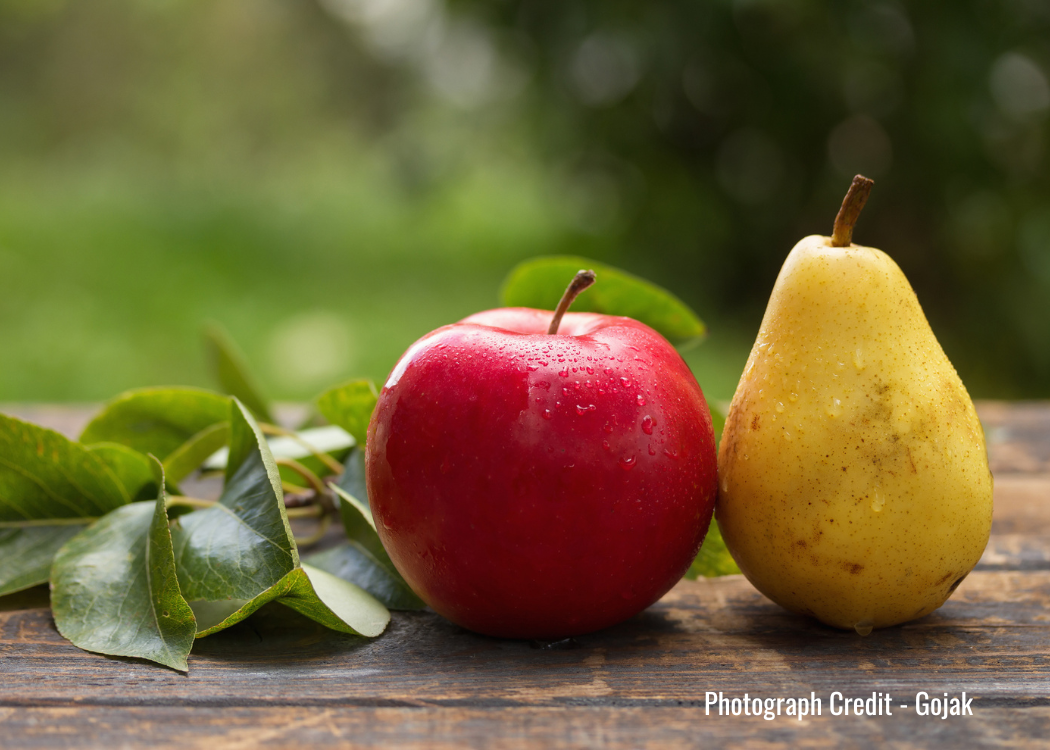
At the back of the carpark at our Alexandra Palace garden centre stands an ancient pear tree. It is heavy with fruit. The large, egg-shaped pears are dense and fall like cannon balls. I ask Dan, the assistant manager to pick me some using a telescopic fruit picker. Dan knows all about fruit trees, and pears are his favourite fruit. “You’ll need to cook them,” Dan advises. These pears cannot be eaten raw, but they taste sublime when slowly poached in red wine and served with crème fraîche.
https://www.bbcgoodfood.com/recipes/poached-pears-spiced-red-wine
October is the month to harvest apples, pears, and quinces. Being able to pluck ripe fruit is one of gardening’s great pleasures. There is nothing like the mouth-watering scent and taste of a ripe apple eaten straight from the tree, especially while admiring the autumnal hues of the garden.
Storing the excess harvest in a cool, frost-free place offers you the comforting reassurance that delicious apple crumble will be on the menu in the winter months, even though apple prices may rocket in the shops.
https://www.gardenersworld.com/how-to/grow-plants/how-to-store-apples/
Did you carry out summer pruning of apples and pears, as is now general practice? If so then you will only have secondary growth to remove. This should be done before the end of December.
https://www.rhs.org.uk/fruit/apples/winter-pruning
My pleasure in the fruit harvest is, in this case, tinged with a degree of sadness, for October is also the month when the colourful leaves fall off deciduous plants: ornamental trees, fruit trees, and shrubs. Raking leaves from lawns and paved areas becomes a regular task. Leaves that fall on the borders can be left to rot and feed the soil.
Autumn is the time to mulch to beds and borders. A thick layer of a biodegradable mulch such as well-rotted manure or garden compost will feed the soil and hold in moisture and will also help supress weed growth in spring. Improving the soil before planting is one of the basic practices of horticulture that remains unchanged.
October is a good month to plant bushes and trees. My tip is to avoid the temptation to plant more trees and shrubs that the garden can accommodate. Overcrowding can cause many problems. Another point worth remembering is that fruit trees can be used as a garden feature. Consider planting a delicious dessert apple such Adam’s Pearmain rather than a purely ornamental, and totally inedible, Pyrus salicifolia.
I like masses of spring flowering bulbs in my garden. October is the month to plant spring and winter bulbs. As the leaves fall, areas under deciduous plants become visible, allowing you to plant drifts of crocuses and daffodils. I love the reaction of new gardeners upon first spotting the buds of bulbs they have planted. Every single time the level of excitement is like they’ve read about crocuses and daffodils in books but have never actually seen one in real life.
Growing early spring flowering bulbs can be a life-line for pollinators, providing them with nectar and pollen just when its most needed. This benefits the gardener too, because there will be plenty of pollinators around when your fruit tree blossoms.
Autumn nectar is essential for butterflies such as Comma, Peacock and Small Tortoiseshell that need to fatten up before looking for somewhere to overwinter. Thyme, aster, and ice plant (Sedum or Hylotelephium) are good choices for creating an autumn feeding area for butterflies, moths, and other pollinators.
Before you cut back ivy think about leaving some around until spring for the benefit of wildlife. Ivy’s thick, evergreen leaves offer some insulation on the ground against frost. A mantle of waxy ivy leaves enables birds to forage in the leaf litter during the bitter months.
Ivy on trees provides hibernating and roosting places for birds, bats, and moths and butterflies. The flowers and fruits of arboreal ivy provide food during the leanest months.
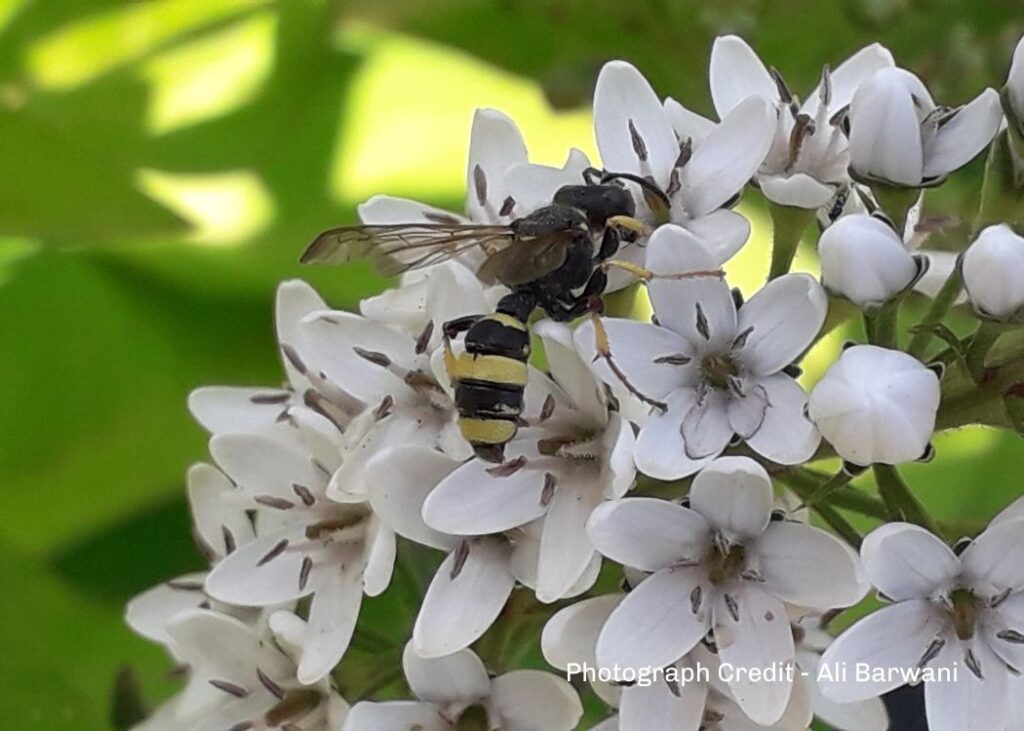
Have already noticed the mace-like flowerheads on ivy? Often you hear the buzzing of wasps, flies, hoverflies, and bees before you spot the flowers. Flowering ivy is one of the last garden nectar sources for insects.
Hard pruning tree ivy now will not only deprive late-flying insects of an important source of nectar, but it will also deprive birds of vital winter sustenance. Ivy berries have a high fat content. Thrushes, wood pigeons, and blackbirds feast on ivy berries from November to January.
The mornings and evenings are cold now, and you will need to put on layers, but afternoons in the garden are still hot. Get out into the garden and harvest and tidy up while the weather remains helpful.
For more garden jobs to do this October:
https://www.capitalgardens.co.uk/blog/garden-jobs-for-october/