Blog
March in The Garden

March in The Garden
Ali Barwani says that if March’s weather is going to be anything like the Meteorological Office is predicting, then we are in for a shock. That well-known adage, ‘March comes in like a lion and goes out like a lamb’, looks likes being accurate yet again with the predicted arrival of a polar blast next week:
https://www.independent.co.uk/weather/met-office-snow-warning-uk-weather-b2290859.html
March is the first month of spring, but it is still possible for England to have snow. On March 1st, 2018, just five years ago, I woke up to a snow-filled garden – the ‘Beast from the East’ had arrived bringing freezing weather. Don’t put away your cashmere sweaters and winter boots just yet. The same goes for your horticultural fleece, keep it handy!
John Clare (1793 -1864), the nature poet, observed in ‘The Shepherd’s Calendar’:
March month of ‘many weathers’ wildly comes
in hail and snow and rain and threatening hums
And floods.
If this month follows John Clare’s verse, then it may well be a case of what gardeners should and want to do versus what is possible given the inclement weather. In other words, don’t rush out and sow every packet of seeds you have before considering where you will keep the seedlings when freezing conditions return.
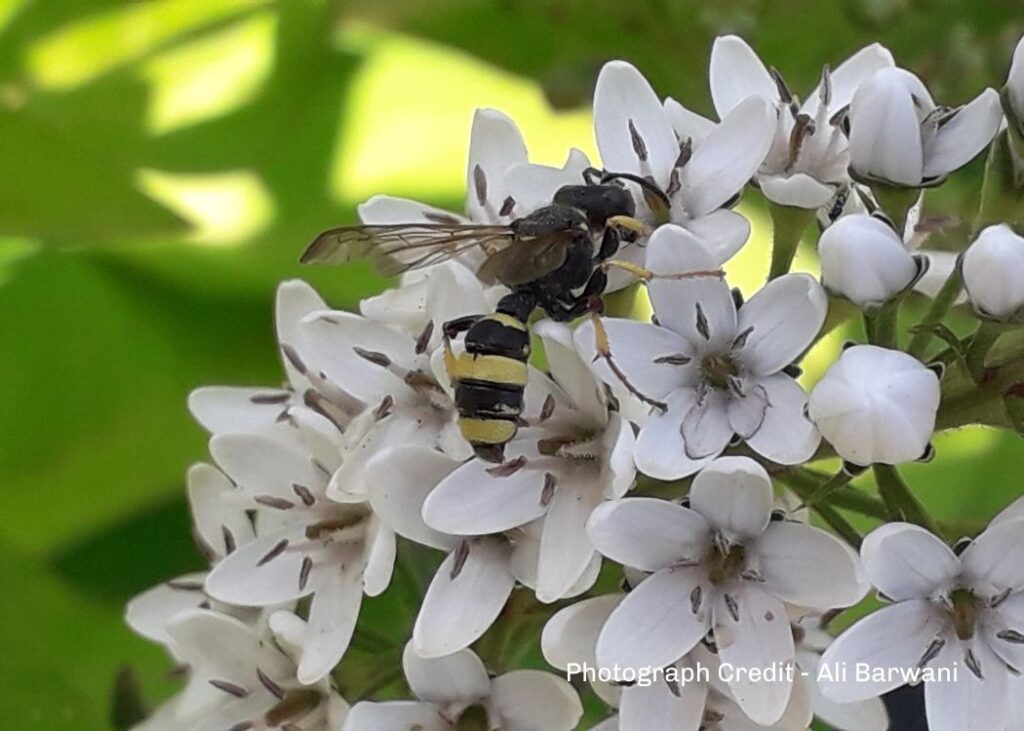
For me, March is the time of buds and bumble bees. This month sees an abundance of flower buds, from crocuses and daffodils to forsythias and camelias. Already the blackthorn bush (Prunus spinosa) in the hedge lining the drive at our Alexandra Palace centre is studded with clusters of pearl-like flower buds. As the white flowers open, releasing their overwhelming sweet scent, delicate petals are strewn in flurries like bitter tears shed by the icy northerly wind.
Garden Jobs to do in March (Weather permitting).
March is the Time to Clear the Garden. Empty areas in the border can be lightly forked over and weeded. Weed seeds germinate and grow far more rapidly than any annuals you care to sow. At this time of year newly germinated weed seedlings can be easily removed with a hoe. Weeds should be removed from paths and patios before they get the chance to grow and spread – a weeding knife is the perfect tool for this job.
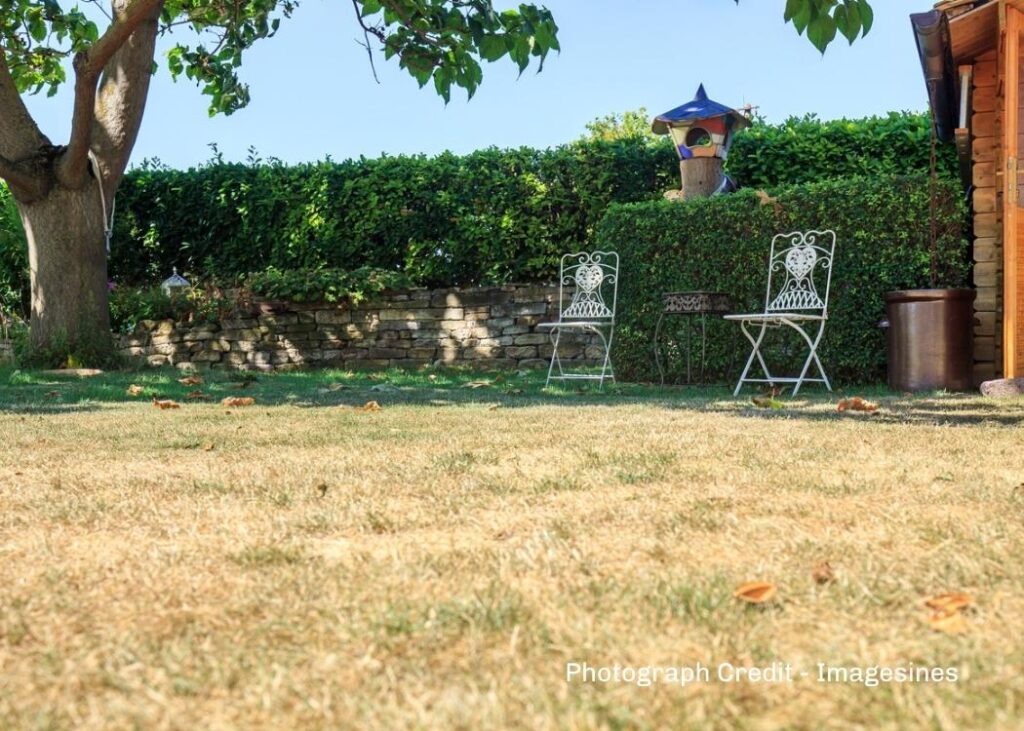
Lawn Care. Dried wormcasts can be distributed over the lawn using a wire rake or besom broom. Worms are the gardener’s ally, recycling fallen leaves and aerating the soil – so do not harm them.
https://www.capitalgardens.co.uk/blog/why-gardeners-should-love-earthworms/
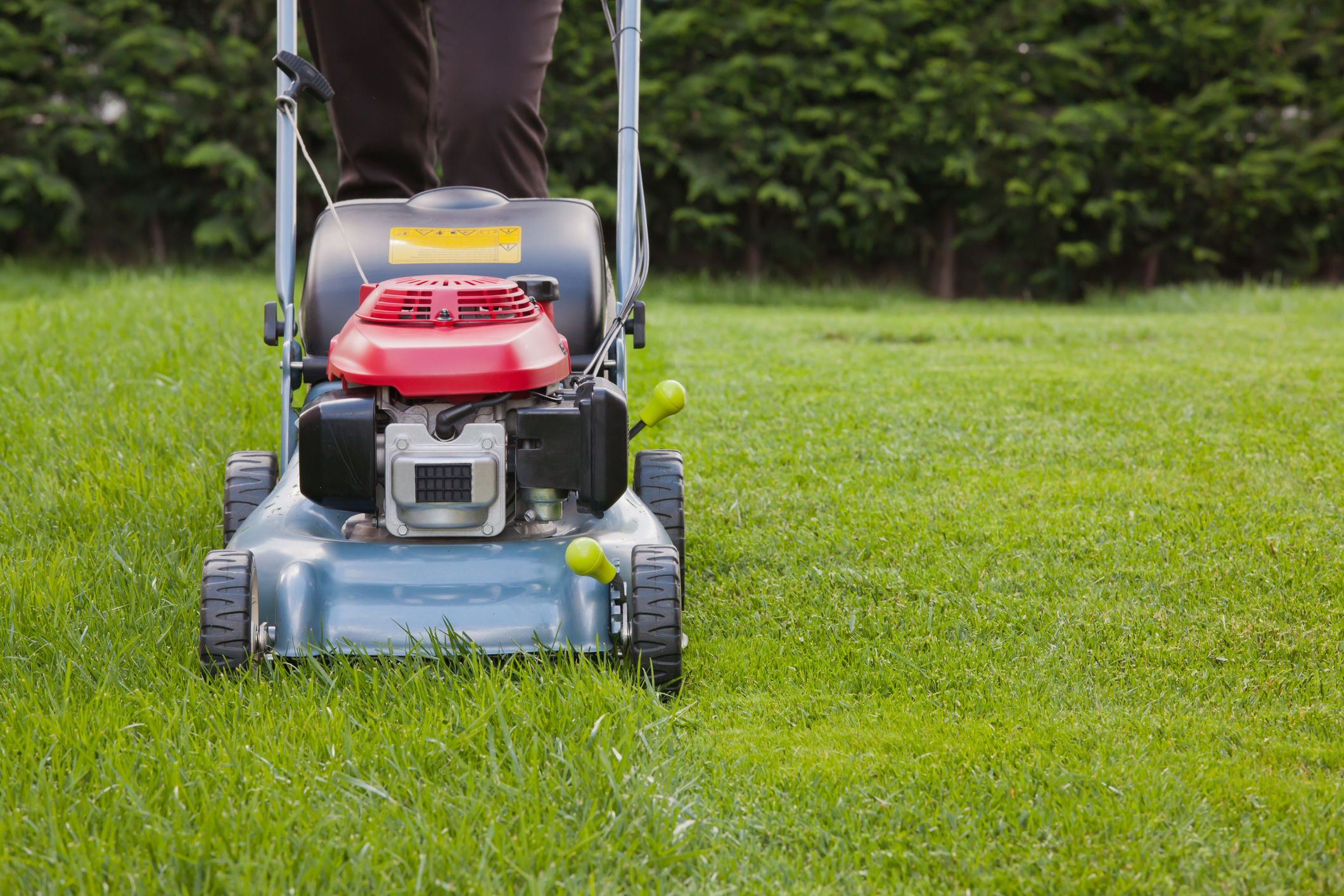
March is the time to start cutting the lawn again. Do this on a dry day when the ground is firm underneath. Set your mower to its highest cut before you begin because the grass will be quite tall by now. Be sure to remove the clippings so that the turf can dry out afterwards.
Pay attention to the edges. Lawn edges need to be redefined after winter has blurred them, with soil creeping in from the flower beds and the grass reaching out into the borders. A half-moon lawn edging tool or sharp spade are the best tools for this job.
Expert Tip: Don’t be tempted to fertilize your lawn even if it looks peely-wally. Feeding your lawn in March will promote fresh, lush growth that will be shrivelled and killed if night frosts return. Better to wait until mid-April before applying lawn fertilizer.
Rose Care. If the soil is not frozen then planting a pot-grown rose in March will give it a head start on one planted in summer. This is also true for other pot-grown shrubs and trees.
Modern bush roses can be pruned in mid-March. However, if the weather turns freezing it can be left until the start of April.
The first stage of rose pruning is to remove any dead, diseased or dying shoots. Then take out any weak stems, and those causing congestion to open up the centre of the bush. The final stage is to reduce the length of the main stems, cutting them at about 1cm above an outward facing bud.
For more details about rose pruning, including climbers and ramblers:
https://www.rhs.org.uk/plants/roses/pruning-guide
Garden Fruit. Rhubarb crowns can be planted in March while they are still dormant. Plant them in a sunny position. Rhubarb plants are ‘gross feeders’, that means they need to be planted in a rich soil. Dig in plenty of well-rotted manure before planting rhubarb and leave them plenty of space to grow. It is best not to harvest any rhubarb sticks in its first year of planting.
To learn more about growing rhubarb:
https://www.rhs.org.uk/vegetables/rhubarb/grow-your-own
Exotic Fruits. If you are lucky enough to have a peach or apricot tree, then you will need to protect it if the weather turns cold. Covering the tree with horticultural fleece will help protect the tender flower buds from the frost damage. Have a go at hand-pollinating the flowers during the day with a soft watercolour paint brush to encourage fruit set.
Hardy Vegetables From Seed. If March ‘goes out like a lamb’ then towards the end of the month you can start to think about sowing some vegetables and herbs directly into the ground – but only if the soil has warmed up. If your soil is heavy clay like mine, then it is best to wait until April before you commence outdoor sowing. The soil needs to be prepared before planting seeds, and then you can sow your first lettuce, radishes, rocket, and newly fashionable turnips!
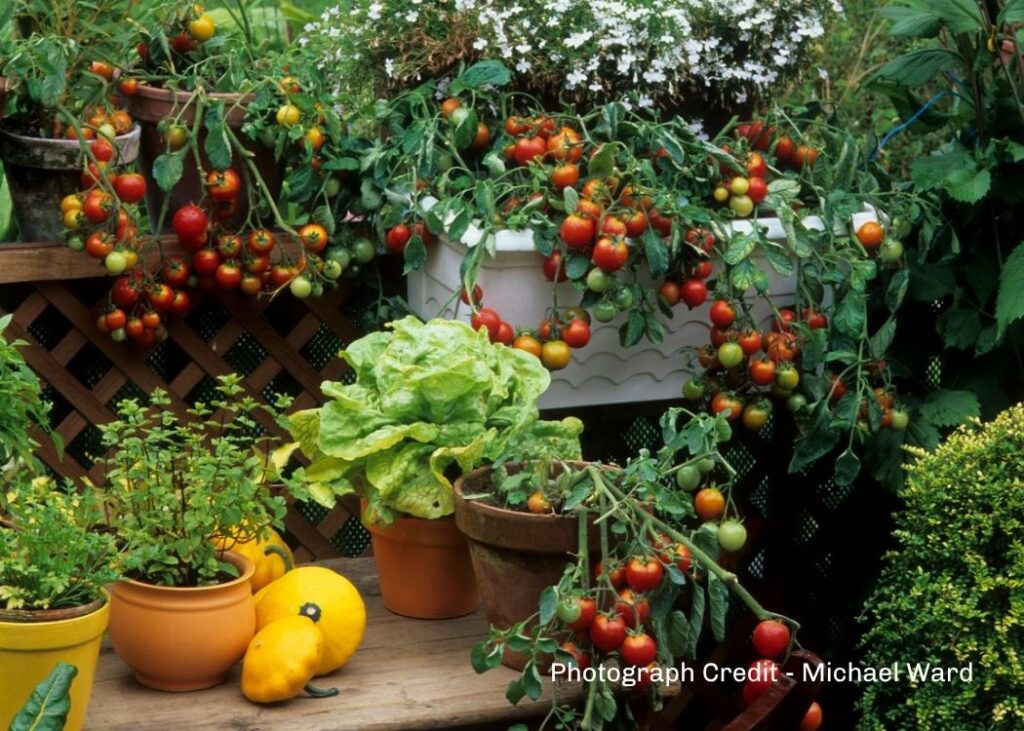
Start Tender Vegetable Seeds Indoors. Aubergines, tomatoes, chillies, and sweet peppers can be sown indoors towards the end of March in a heated propagator on a sunny windowsill. Don’t sow too many seeds, you will need to be able to keep up with the young plants until it is warm enough for them to gradually go outside. They will need much more windowsill space as they grow.
Grow Flowers From Seed. If flowers are your thing, then late March is the time to start sowing your flower seeds. To learn all about growing flowers from seed in March:
https://www.capitalgardens.co.uk/blog/top-ten-cut-annual-flowers-from-seed/
In Conclusion: March is the time of the year when you can see your garden return to life after its winter rest. The gardening season is starting again, and there is plenty of work to be done. If you make a start on it now then you will not be overwhelmed by all the tasks you need to catch up on in a couple of months’ time.
Even if March is cold you will find a range of spring flowering plants to enjoy in the garden. Bulbs such as crocuses and daffodils are appearing in gardens and parks all around. Spectacular flowering shrubs like Magnolia stellata and the Japanese quince Chaenomeles have already started blooming. Colourful wallflowers, with their velvet petals and honey-scent, are classic spring bedding plants, and the perfect partner for tulips. Hardy polyanthus brightens up window boxes, beds, and borders.
Wrap up warmly and get out into the garden, you will enjoy it!