Blog
Garden jobs for October


Garden jobs for October
October is another month of bounty in the garden, especially if you’re a keen fruit and veg grower. It’s time to harvest the last of the summer crops, and spidery pink nerines, golden rudbeckias, dahlias, sedums and sometimes maligned but useful chrysanthemums are all still flowering prolifically. So this is a time of picking home-grown food for your table and flowers to decorate your home.
Harvesting
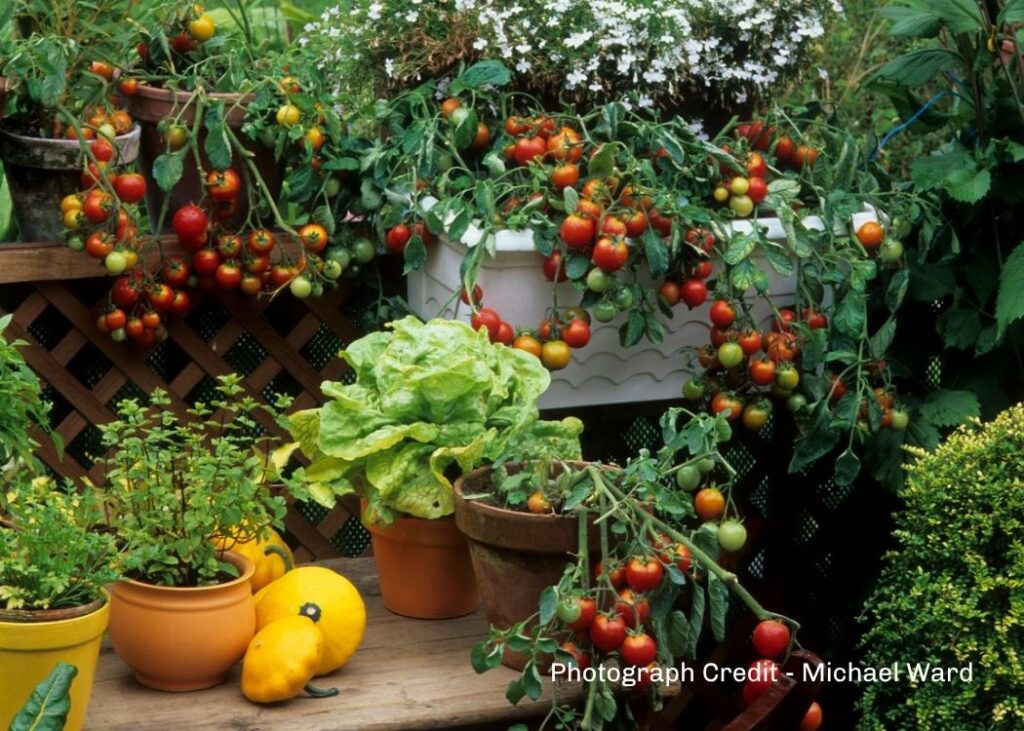
The last of the tomatoes, beans, and courgettes should be picked this month before they fall prey to late autumn frosts. You’ll probably still have unripe tomatoes, so remove any remaining trusses, put them in a paper bag with a banana in a drawer or leave them on a sunny windowsill to ripen indoors.
Onions, maincrop potatoes, beetroot and chillies will also be ripe for the picking as well as leafy greens such as chard and spinach. Get ready for Halloween by helping ripening pumpkins along; remove leaves that are covering the fruits and raise them and put on bricks to guard against rotting on wet ground. Squash will benefit from the same attention.
Autumn raspberries, apples and pears are all ready too.
Storage:
If it’s been a good summer and you’ve given your food crops lots of attention, you may well find yourself with a glut in October. If you’re lucky enough to have this problem and you’ve run out of people to give your spares to, there are many ways of ensuring your harvest doesn’t go to waste in addition to the usual freezing and soup-making.
- Chillies can be threaded onto a string and hung up to dry. Cut them from the plant at the top of the stalk, so that the stalk and green cap remain. Thread them together through the stalks using a strong needle and thick cotton. Hang them inside somewhere warm and dry. Simples! As well as being an excellent way of storing them, it looks decorative too.
- Green tomatoes can be made into chutney or, despite not being quite the right fruit, (foodie purists look away now) delicious Mexican salsa verde (green tomato sauce) at the end of the season.
- Apples: these can be wrapped in paper and dry-stored in crates or on trays over winter in a cool, dark, dry place.
- Potatoes: dry them off well, then place in hessian or paper sacks and store in a cool, dark, well-ventilated place.
Make sure your storage space for apples and potatoes is mouse-free if you can, otherwise you may find your precious crop has been nibbled. I speak from experience!
Sowing and planting
Seeds:
October is your last chance to sow hardy annual flowers for early blooms next year. Hardy broad beans and peas too, planted now, will ride out the winter ready to spring into action earlier than seeds sown next year.
Sowing hardy greens like kale, winter lettuce and pak choi will ensure you still have delicious home grown veg over winter. And spinach is a marvellous crop that can be sown and harvested almost all year round as long as you sow a range of seasonal varieties.
Bulbs:
October is also a good month to get your garlic into the ground as it does best with a long growing season. It’s also the perfect time to plant onions. Make sure you plant varieties suitable for overwintering such as ‘Edenrose’ garlic or ‘Electric’ onions. It’s important to plant them in soil that drains well, as there’s a risk of rot in poorly draining, clay soils if winter is wet. You can add organic matter and horticultural grit to improve drainage.
www.gardenersworld.com/how-to/grow-plants/how-to-grow-garlic/
Spring bulbs such as crocus, daffodils, hyacinths and bluebells can all be planted this month and delicate snake’s head fritillaries, reliable grape hyacinths, sweet Iris reticulata, sky blue scillas and magnificent orange Fritillaria imperialis can all go into the ground or pots between now and November. It’s best to hold back on planting tulips until November though as this will help to avoid tulip virus.
And let’s not forget summer flowering bulbs. Glorious lilies, alliums and crocosmia can all be sown now. There’s lots of information here: www.capitalgardens.co.uk/blog/kinds-of-plants-sow-for-spring-summer/
Bedding plants:
Many flowers such as asters and sedums are still looking great in the garden. But if the blooms in your window boxes have faded, not to return, now is the time to look ahead and make sure you have flowers to brighten pots and window boxes as autumn rolls on.
Multi-coloured winter pansies and violas, red, white and pink cyclamen and lilac heathers are all available now. They also provide essential sugary nectar for insects as the weather gets cooler and other flowers fade. Don’t forget foliage plants to add structure and colour too. Evergreen ferns are perfect for a shady spot. Heucheras come in all shades from lime green through to russet and purple and enjoy light or dappled shade. Add trailing ivy for a finishing touch and year-round interest.
Pruning
If you’re itching to get out there with the secateurs, some plants that will benefit from a bit of chopping back now are:
Herbaceous perennials:
It’s a good idea to leave some perennials standing over winter. Verbena bonariensis, nigella and of course, sunflowers, for example, all have architecturally beautiful seedheads and many of these plants will also provide food for birds.. Others, however, such as lupins, dephiniums and phlox, are best cut back to ground level now as they may just deteriorate into potentially soggy mess over winter.
Mediterranean shrubs:
Give santolina, cistus and rosemary a trim to reshape them and get rid of dead flower heads. Be careful not to cut into old wood though – it may finish them off completely!
Fruit bushes:
Cut down the old stems of summer raspberries, gooseberries and currants to promote new, healthy fruiting growth next year. If left, the canes gradually become congested, bearing smaller fruit and will eventually become weaker and die. Pruning them is a simple but satisfying task.
www.gardenersworld.com/plants/plants-to-prune-in-autumn/
Propagation
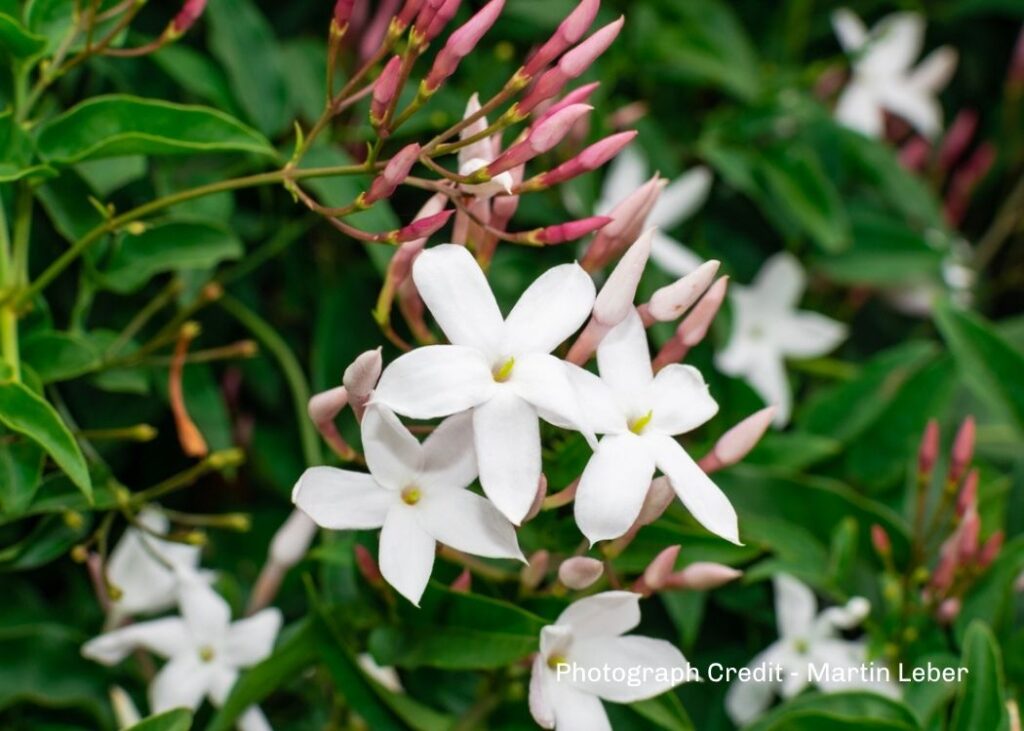
Plan ahead and make the most of your plants in October by taking hardwood cuttings. Deciduous shrubs like abelia, buddleia and philadelphus, climbers such as honeysuckle and jasmine and soft fruit such as gooseberries and currants can all be propagated in this way. You could even try taking rose cuttings if you’re feeling adventurous. www.rhs.org.uk/propagation/hardwood-cuttings
Other garden tasks
Clear pondweed and cover your pond with netting before leaf fall begins in earnest.
Lift and pot up tender perennials such as pelargoniums and heliotrope so you can protect them quickly if overnight frost is predicted. Make sure you have horticultural fleece or sacking at the ready as well!
You may have seen apples, pears or plums looking brown and mushy with scattered white spots on their surface. This is brown rot, a fungal disease. It’s important to pick up affected fruit from the ground and off the tree to try and curb the future spread of infection. Don’t put them in your home compost – it doesn’t reach a high enough temperature to kill the fungal spores. It should be fine to throw them into your local authority green waste bin but check first.
And last but by no means least…
Remember to wash bird feeders regularly. This becomes even more important as the weather gets wetter.