Blog
Managing water in your garden


Managing water in your garden
King George II is said to have described the British summer as ‘three fine days and a thunderstorm’. This apocryphal tale might have been amusing in the 1730s, but the joke falls flat as we face a second amber extreme heat warning this week for Wales and the south.
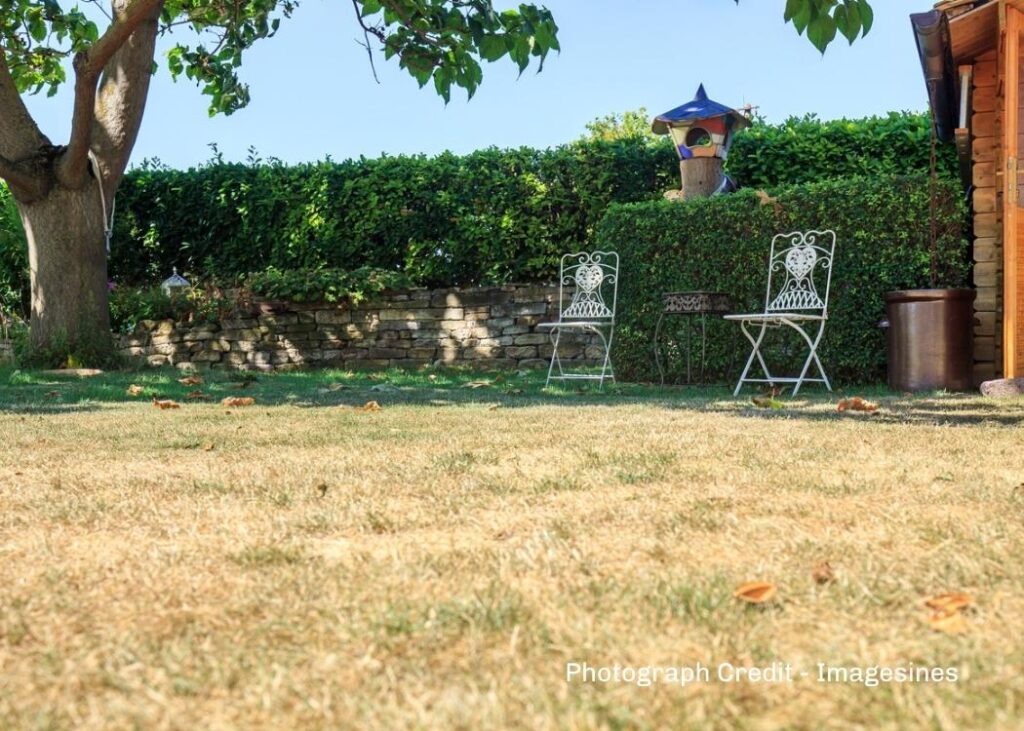
With drought conditions in the UK predicted to last until October, gardeners are getting an insight into the future effects of climate change as out gardens embrown and shrivel.
What Can I Do Right Now?
Water is a valuable and limited resource, and nobody wants to waste water unnecessarily. Therefore, it is important to prioritize your watering – giving it to the plants that need it to survive, such as annuals, hanging baskets and vegetables.
For our top 10 tips for watering the garden during the drought read our heatwave blog:
https://www.capitalgardens.co.uk/blog/top-10-watering-tips-for-the-heatwave/
However, we cannot simply irrigate our way out of the climate crisis. The environmental campaigning organisation Waterwise says that hoses and sprinklers typically use around 1,000 litres of water an hour, which is unsustainable during a drought. Hampshire and the Isle of Wight already have a hosepipe ban, and Thames Water has just announced that they plan to introduce a hosepipe ban in weeks.
https://www.bbc.co.uk/news/uk-england-62478141
What About Long Term Planning?
The Met Office predict UK summers will become hotter and more likely to be drier. They also project that our winters will become warmer and wetter on average. They suggest that by 2050 intense heatwaves like the one we are experiencing are expected to happen every other year.
https://www.metoffice.gov.uk/weather/climate-change/effects-of-climate-change
It seems likely that British gardens will have to adapt to survive more frequent periods of both intense drought and heavy rain in the future. The coming transformations to British Gardens will involve change to both the design of new gardens and the types of plants we grow.
The Rain Garden Solution.
Conserving the rain that falls in our gardens is key to the survival of Britain’s gardens. So, could the ‘Rain Garden’ (or Bioretention Garden) be the saviour of British gardens?
The idea behind a Rain Garden is simple. It involves landscaping your garden so that during periods of heavy rain the water is held in the garden and then released back slowly. Bioswales (channels created to concentrate and distribute the runoff) move water around the garden, allowing some of it to infiltrate the soil on its way to a basin. Rain Gardens can absorb up to 30% more water than a lawn.
A Rain Garden needs to be lower than the level of its surroundings, and collects runoff from surfaces such as roofs, driveways, and patios. The idea is that the garden will hold rainwater for as long as possible to prevent it flowing away into the sewage system and rivers where it can cause flooding.
For example – the passage of the water from the roof could be diverted through a series of troughs filled with gravel and marsh plants. The troughs and bioswales filter out dust, debris, and pollutants, cleaning the water. During heavy rain, excess water overspills the troughs and runs into a pond surrounded by plants. The pond can overflow into gravel and cobbles, permeable paving and flowerbeds and hollows – all allowing excess water to soak away slowly into the soil.
Creating a Rain Garden can involve a small scale retrofit to an existing garden by adding a Rain Planter or creating a low-lying dip in the garden, or it can be a redesign of the entire outdoor space.
Learn How to Design & Construct Your Own Rain Garden:
https://www.rhs.org.uk/garden-features/rain-gardens
The benefits of creating a Rain Garden.
1) It stops your garden from flooding during a heavy storm and gives you a reserve during times of drought.
2) Rain Gardens filter out pollutants from rain and floodwater – helping improve water quality for us and wildlife.
3) By reusing and making the most of any rain that falls, these gardens reduce or avoid the need for irrigation.
4) Planting a Rain Garden instead of laying a hard-surface helps decrease the ambient air and water temperatures. In other words, they help keep urban areas cooler.
5) They reduce the amount of polluted runoff entering rivers and the sewage system, helping to reduce flooding downstream.
6) Finally, they provide diverse planting opportunities – creating a wide range of specialist habitats that benefits local wildlife.
Planting a Rain Garden.
Although a rain garden is a practical solution to an environmental problem, it is still a garden and as such should be attractive. Any design needs to be enjoyed from all angles as you move around the garden.
Plants that attract pollinators and add seasonal interest will enhance your enjoyment of the space. Plants should be chosen for their visual attractiveness, drought tolerance, and benefit to wildlife. Planting in generous drifts helps create a natural feel.
The planting needs to be suited to the different niches created. Water tolerant plants should be concentrated where the water levels are highest – that is near where the water enters the garden, and in the deepest areas of the excavations. Ragged robin, purple loosestrife and meadowsweet are beautiful plants adapted to living in dry conditions with occasional bursts of heavy rain. More drought tolerant plants should be used towards the edges. Planting more native and naturalizing species in the garden will allow biodiversity to thrive.
In Conclusion:
Rain Gardens take their inspiration from the natural world to create spaces that harmonise with the local ecology and wildlife.
A Rain Garden is a holistic solution to sustainable gardening during times of increasing droughts and floods. A Rain Garden is always ready to channel excess rainwater into shallow, free-draining planted depressions to allow the water to soak into the ground gradually. Plants in Rain Garden survive better during both periods of drought and heavy rainfall.
Re-imagining the potential of our gardens to combat Climate Change gives gardeners the opportunity work with nature, and reminds us that if nature thrives, we all thrive.