Blog
World Soil Day 5 December 2026

A few hours before the Great Storm of 1987 broke on the night of 15 – 16 October, Michael Fish said during the evening weather forecast: “Earlier on today, apparently, a woman rang the BBC and said she heard there was a hurricane on the way. Well, if you’re watching, don’t worry, there isn’t!”.
Before long I was in the land of Nod. Meanwhile mother spent the night differently, hanging from the greenhouse roof to prevent it from being lifted off. Happily, both mother and the greenhouse survived the violent extratropical cyclone. Mother’s unorthodox solution is not recommended, but the destructive Great Storm would later result in a groundbreaking arboricultural discovery at Kew Gardens.
World Soil Day (WSD) is celebrated annually on 5 December to increase global awareness about the vital role soils play in agricultural development, ecosystems and food security. World Soil Day became an official international day in 2014 under the leadership of the King of Thailand, endorsed by the Food and Agriculture Organization of the United Nations (FAO) and the United Nations (UN) General Assembly.
Since its inception, the FAO has championed WSD as a global platform for action and advocacy within the framework of the Global Soil Partnership (GSP), a voluntary multi-stakeholder partnership promoting sustainable soil management.
This year, World Soil Day 2026 takes place on Saturday, 5 December 2026, with the theme to “Tackle soil compaction, boost food production”. Simply put, the aim is to address compressed soil that limits root growth, water infiltration and crop yields.
If you have never thought about soil before, then permit me to introduce a few eye-opening facts. Are you aware that over 95% of our food comes from soil? And did you know that it can take up to 1,000 years to produce just 2-3 cm of soil? If these statistics surprise and worry you, then take heart, up to 58% more food could be produced through sustainable soil management. In a nutshell, soil health matters for global food security.
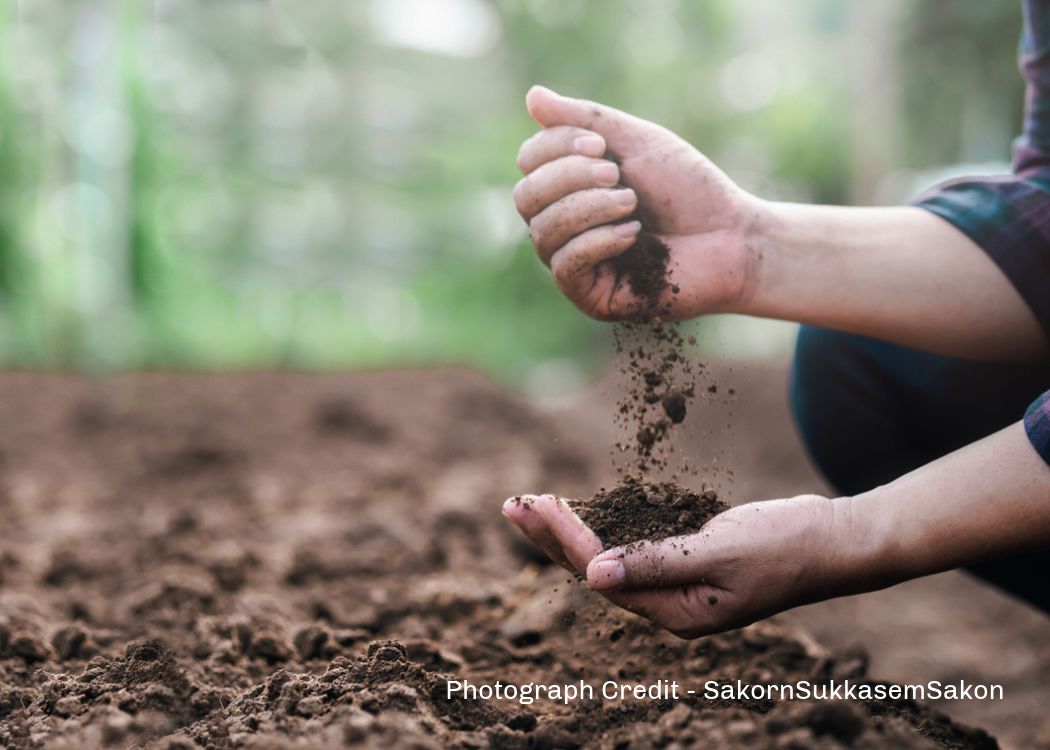
What is soil compaction and why does it matter? Compaction occurs when forces press soil particles together, reducing pore spaces and increasing soil density. It is typically caused by heavy machinery, livestock, and people walking over or working wet soil. This causes soil structure degradation that results in slower drainage, waterlogging in wet weather, drought stress in dry weather, poor air exchange, and restricted root growth. Soil compaction may increase surface runoff and erosion. Increased erosion can strip away soil fertility, cause road and infrastructure failure, cause urban flooding and home damage, and degrade rivers.
By this stage you are asking (I hope) what have the 1987 gales got to do with soil compaction, and how did it paradoxically help Kew Gardens? When you visit Kew stroll towards the Princess of Wales’s Conservatory and there you will encounter a magnificent specimen of Turner’s Oak. This hybrid oak (Quercus × turneri ‘Pseudoturneri’) was given a new lease of life following the 1987 Great Storm, when it was wrenched from the ground by the wind, before settling back into the soil. Being uprooted had loosened the earth around its roots, which had become compacted over decades of heavy visitor footfall. Instead of harming the ancient tree, the physical shakeup had broken up the compacted soil. Compaction had cut off much of the tree’s supply of oxygen and water, leaving its roots shallow and weak. The decompaction gave this previously sickly tree a second wind, allowing it to grow faster and healthier than ever before.
Nowadays Kew’s modern arboricultural practices include targeted root management and decompaction to revive growth in their historic trees. Additionally, staff now create and maintain a circle of organic mulch around trees to prevent visitor compaction, and to encourage mycorrhizal growth and earthworm activity. These new techniques for reviving ailing trees were inspired by the partial uprooting of the 200-year-old Turner’s Oak by the Great Storm. And you know what, reader? This case demonstrates that the cycle of soil degradation can be broken and even reversed by applying modern soil management approaches.
Further details:
Learn more about World Soil Day 2026, and how to get involved, including local events and educational campaign materials provided by the FAO:
https://www.fao.org/world-soil-day/en
Turner’s Oak Kew:
https://www.kew.org/kew-gardens/visit-kew-gardens/trails/remarkable-trees-trail
Four things to do:
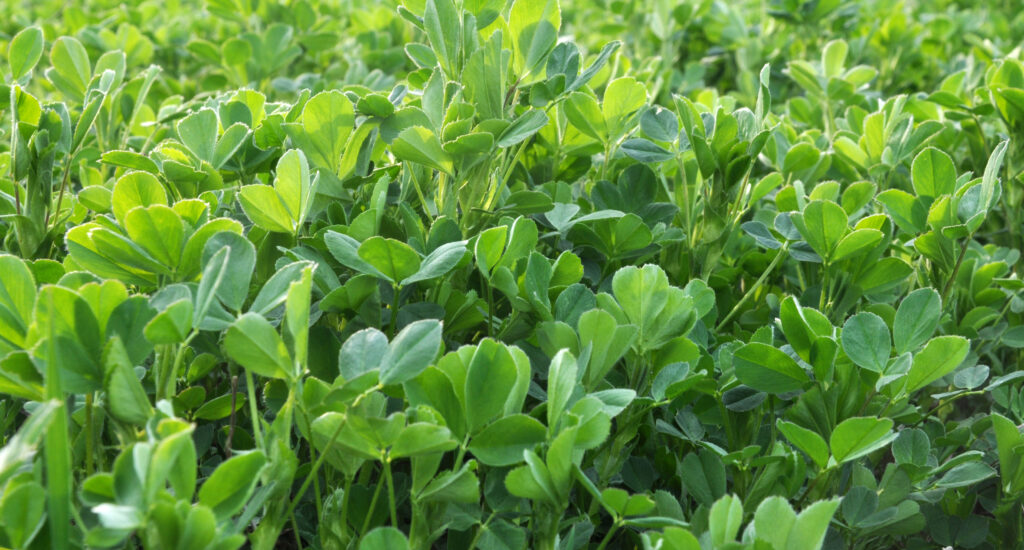
1) Keep Bare Soil Covered over winter by sowing green manures like clover, vetch, or rye on empty beds to protect the surface and add roots and organic matter to the soil when cut back.
Apply garden compost or well-rotted manure on the soil surface each autumn or spring to loosen heavy clay and help sandy soil retain moisture. The addition of organic matter also helps support beneficial fungi. Fungal hyphae are involved in rhizosheath formation, the process of soil aggregation at the root surface.
2) Reduce Disturbance and Compaction. Practice no-dig or minimal cultivation. Avoid frequent digging or rotavating, which breaks up soil structure and harms fungal networks and soil-aerating organisms.
3) Keep off wet soil. Walking or working on wet or waterlogged soil squeezes out air and causes compaction. Stick to paths or boards when moving around the garden in winter. Think about positioning stepping stones to be able to reach into borders.
4) Aerate carefully. Use a garden fork or broadfork to gently loosen compacted patches without turning soil layers upside down.