Blog
Hurrah for Herbs!

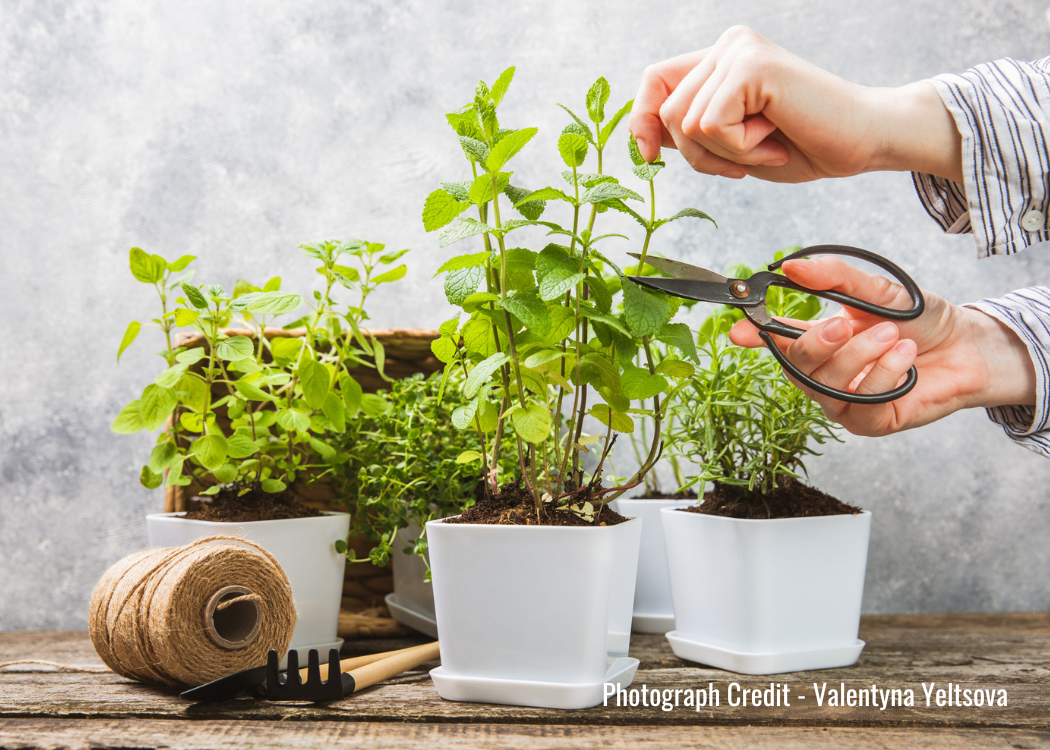
Borage in your G&T, mint with your strawberries, tomatoes with basil and a soothing cup of fennel tea before bed – herbs can be grown in a herb patch, scattered around the garden or planted in pots, troughs and window boxes. They have a myriad of culinary uses, look gorgeous as part of a patchwork of plants and give wildlife a boost too. The flowers are a favourite of bees, and hoverflies, butterflies and other vital pollinating insects rejoice in their nectar as well. The delicate blue blooms of rosemary, the magenta pink, white or pale purple flowers of thyme and the yellow umbels of fennel and dill offer up a floral feast through spring and summer.
It’s not just the flowers that add to the look of a garden. Plant the red-veined leaves of sorrel with onions and orange pot marigolds in a potager or cottage garden. Weave together the contrasting leaves of golden, silver variegated and green cultivars of thyme to create an edible tapestry. Or combine the wafting, feathery foliage of dill and fresh green or bronze fennel with other sun lovers like phlox and delphiniums. Prostrate rosemary will soften the edges of paths while creeping thyme spills over the tops of containers and adds evergreen interest to rock gardens.
The culinary use of herbs in soups, stews, salads, as garnishes, to make refreshing teas, in desserts and cocktails is well-known. They enhance both the look and the flavour of what’s placed on the table before friends and loved ones. Many are also renowned for their therapeutic properties. Rosemary, for instance, is said to have antiseptic properties, mint to help with digestion and sage to promote clear thinking. Herbs and other plants for medicinal use have been grown at Chelsea Physic Garden in London since 1673 and fans of Ellis Peters’ Brother Cadfael mysteries will know that monks were using herbs for medicinal purposes as long ago as the 12th century. Chelsea Physic Garden is open to the public. Do pay it a visit if you have the opportunity.
https://www.chelseaphysicgarden.co.uk/about/history/
Growing your herbs
We often think of herbs as being sun lovers but a good number of them are shade tolerant too. And one or two will even thrive indoors in a sunlit spot if you have no outdoor space at all.
For a sunny spot
Hardy plants:
Rosemary, sage and thyme are all shrubby evergreens and, together with oregano, are Mediterranean plants preferring poor, well-drained soil as well as lots of sun. So add plenty of grit to the planting holes if you garden on clay. Rosemary is a tough beast however and I’ve seen it do well in partly shaded areas of the garden, although it produces few flowers in these conditions. There are several forms of sage – try purple or variegated silver and golden cultivars for something different. These foliage colours set off the pale mauve summer flowers of oregano perfectly.
Chives, with their pale violet, thistle-like flowers, will die back over winter, as will fennel. They like a damper, slightly richer but well-drained growing medium, as does dill, which is usually grown as an annual.
Tender plants:
Marjoram and lemon verbena are perennial but unlikely to survive a UK winter. So if you want them to last, grow in pots and move to a frost-free place in good time. Basil is usually grown as an annual.
Herb snippet: oregano and marjoram – what is the difference?
Looking and smelling very similar, the two are often, and understandably, confused. They’re closely related but oregano (Oreganum vulgare) is hardy to -20 degrees C and is stronger and more earthy and pungent in flavour. Marjoram (Oreganum majorana) is a tender plant with a sweeter and milder taste.
For part shade
Energising mint with its pink, white or lilac flowers is probably one of the most frequently grown and versatile herbs and there are numerous cultivars including apple mint, spearmint, pineapple mint, chocolate mint and even grapefruit mint. Like soothing lemon balm and refreshing sorrel, it’ll grow in full sun but is happy in part or dappled shade too. Parsley and coriander enjoy similar conditions but are annuals and need to be cultivated anew each year. Give them all damp but well-drained soil or compost.
https://www.gardenersworld.com/plants/10-varieties-of-mint-to-grow/
Also suitable for sun or light shade, sweet and mild bay is a robust plant but the leaves can be damaged by very cold winds, so it’s best planted in a sheltered spot. Left to its own devices it becomes a small tree, growing up to 8m tall. However it’s fine in a pot and also responds well to clipping. This not only means you can restrict its size but that it can also be clipped into formal shapes like lollipops and spirals.
Harvesting your herbs
Harvest them from the top, snipping or pinching off the leaves and stalk just above a leaf joint, rather than stripping leaves from the stalk. Chopping in this way is a sort of mini-prune and has a similar effect, stimulating growth. This encourages new strong, healthy leaves to sprout and stops plants getting leggy. Removing the tops of the stems in this way does, of course, also remove the flowering part of summer bloomers, so leave some to grow au naturel if you want to feed the bees.
Planting tips
- Most herbs do well in containers. It’s advisable to plant Mediterranean herbs in a 50:50 mix of peat-free multipurpose compost and horticultural grit to ensure good drainage. Rosemary is a sizeable shrub when mature so after a while will need to be transplanted into a pot that’s at least 30cm in diameter.
- Mint and lemon balm are vigorous plants, spreading quickly, and can take over if given free rein. You can curb lemon balm’s enthusiasm by removing the flowerheads before they set seed and keeping an eye out for seedlings. Mint spreads by runners so is best planted in its own container.
- Parsley and basil will both thrive indoors on a sunny windowsill.
Looking good and tasting delicious, the joy of herbs is that they combine ornamental and culinary use. Lamb with rosemary and marjoram, lentil soup with sage, or poached salmon with a garnish of chives are treats that make a summer supper outdoors a delight. Sun lovers and shade-takers alike, there’s a place for herbs in almost every garden.
Ever looking for a particular plant? Use our online plant finder here